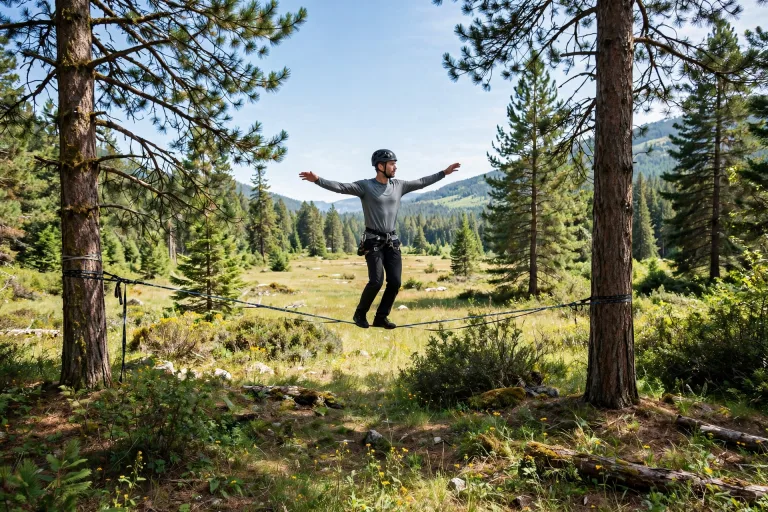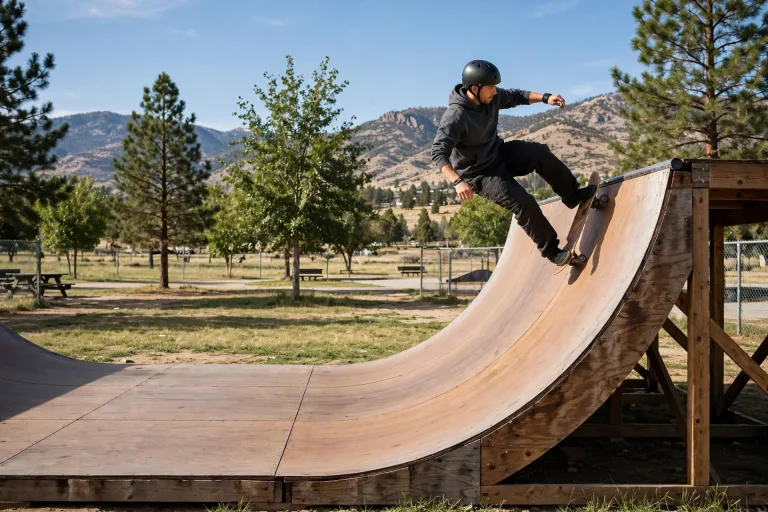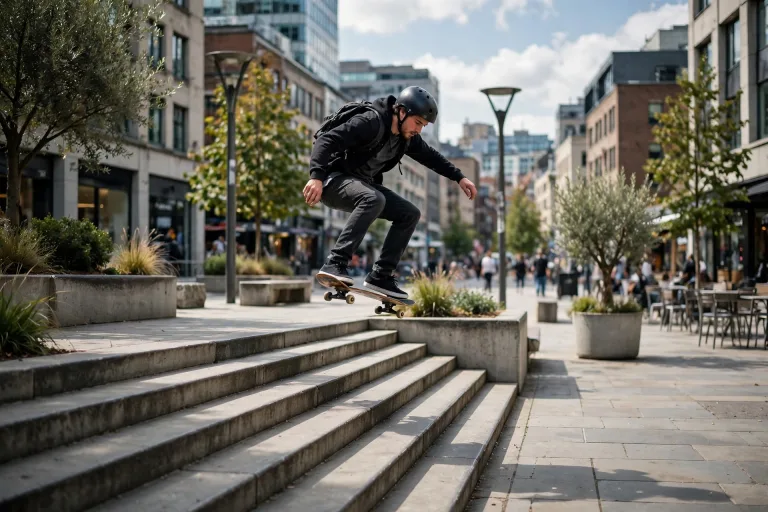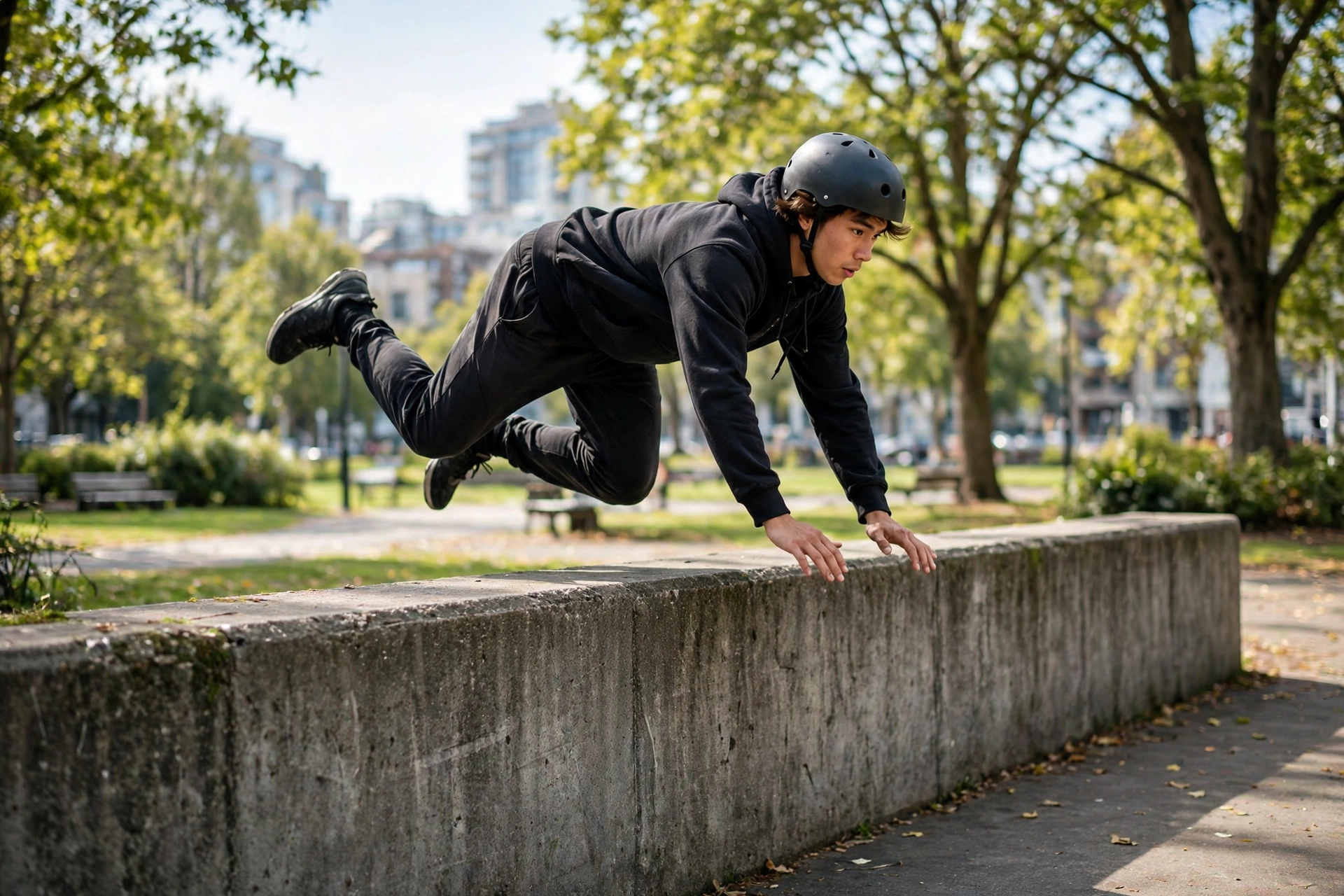
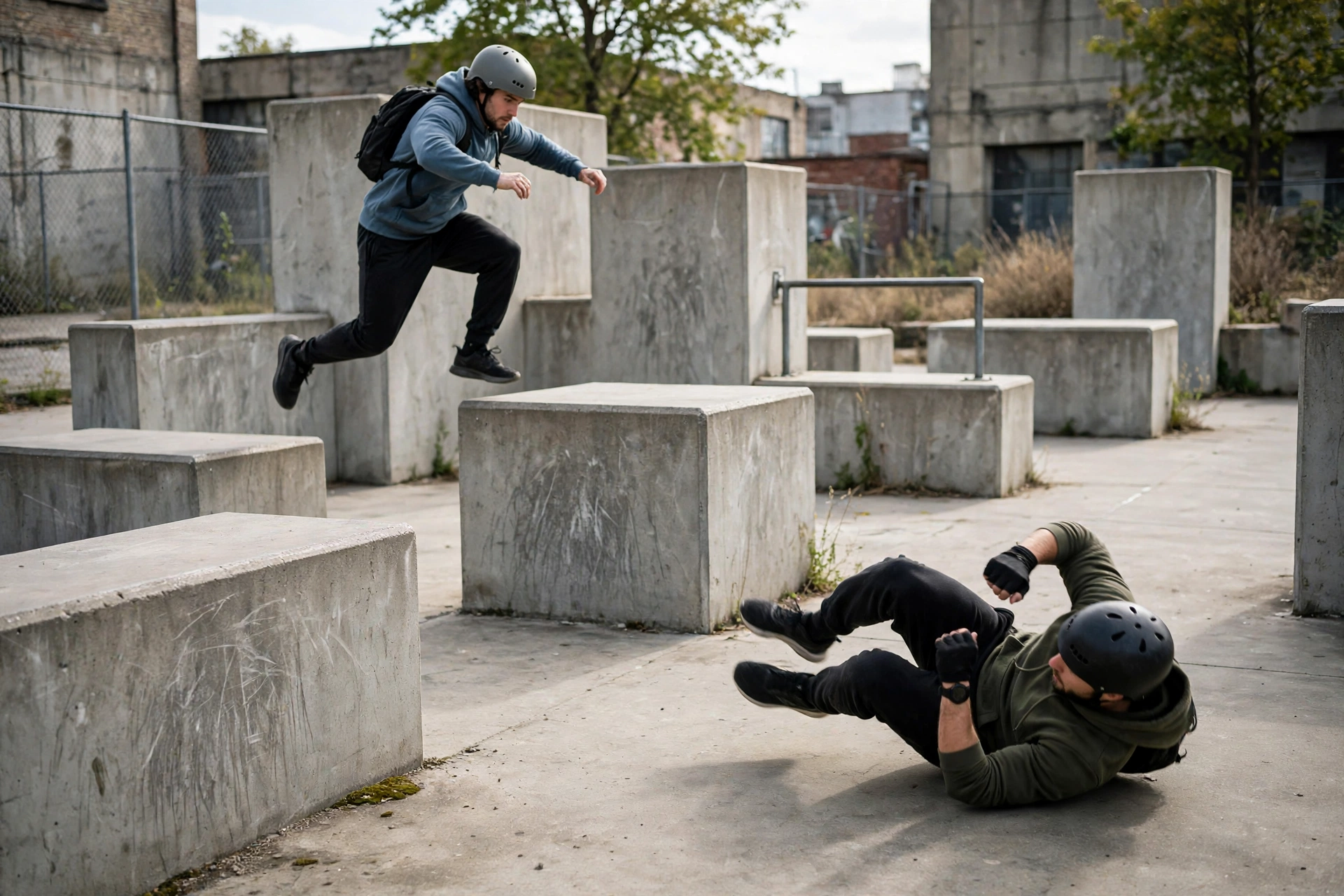
A helmet for freerunners is a light, close-fitting helmet worn to protect the head during parkour and freerunning, where jumps, vaults, and flips carry a real risk of a fall. Not every freerunner wears one, but in general terms a helmet is a sensible choice for beginners, for training new moves, and for anyone practising in a place with hard surfaces.
Freerunning is built on speed, balance, and confidence, and for many freerunners a helmet feels like it goes against the spirit of the sport. The culture has long favoured freedom of movement, and most videos of experienced freerunners show no helmet at all. That picture is changing, though, as more people take up the sport and more coaches think about safety. A helmet does not stop a freerunner from moving well, and it can turn a bad landing into a story rather than a hospital visit.
Do freerunners wear helmets?
Many freerunners do not wear helmets, especially experienced ones training moves they have practised for years. That is the honest answer, and it reflects the culture of the sport, which values freedom and trusts the freerunner’s skill and judgement. A helmet is still worn by a growing number of freerunners, above all by beginners, by young people, and by anyone learning a new move. Gyms and training groups often ask new members to wear one, and some organised sessions make helmets part of the rules.
The reason is that freerunning is a sport of hard surfaces. Concrete, stone, and metal do not forgive a mistake, and even a skilled freerunner can slip on a wet ledge or misjudge a jump. A fall from a wall or a rail can happen in a second, and the head is often the first thing to meet the ground. A helmet cannot remove that risk, but it can reduce the harm from a blow to the head, and that is a good reason to wear one while the risks are highest, which is when moves are new.
What kind of helmet is best for freerunners?
The best helmet for freerunners is, in general terms, a light, close-fitting helmet that stays put during fast movement, such as a skateboard or multi-sport helmet. It should have a hard shell and a shock-absorbing lining, with vents to keep the head cool during training. A helmet that is too heavy or too loose will slide around when the freerunner jumps or rolls, and that is both a distraction and a loss of protection at the moment it is needed most.
A full face helmet is not the right choice for freerunning, because it limits vision and airflow, and a bike helmet with large vents may not cover the back and sides of the head well enough. A skate style helmet sits lower and covers more of the head, which suits the falls that freerunners are most likely to take. The helmet should work with the rest of the freerunner’s kit too, and it should not catch on clothing or get in the way during a roll or a vault. Trying the helmet on and moving in it before buying is the best way to be sure it fits the sport.
When should a freerunner wear a helmet?
A freerunner should wear a helmet whenever they are learning a new move, training at height, or practising in a place with hard surfaces and no soft landing. That covers most training sessions for beginners, and it covers the sessions where an experienced freerunner is trying something for the first time. A new jump, a higher wall, or a flip that has only been practised on mats is exactly the time when a helmet is most useful, because the chance of a mistake is highest.
The helmet is also worth wearing when conditions are poor, such as after rain, when surfaces are wet, or when the light is fading. A wet ledge or a dusty rail can turn a familiar move into a slip, and a helmet gives the freerunner a margin for that kind of surprise. Training in a group also helps, because other freerunners can spot a hazard or call for help if a landing goes wrong. Some freerunners choose to wear a helmet only for the risky parts of a session and take it off for moves they know well. That is a reasonable compromise, as long as the helmet is on before the risky move starts, not after it.
How should a freerunning helmet fit?
A freerunning helmet should fit snugly, sit level on the head, and stay in place when the freerunner runs, jumps, and rolls. The helmet should cover the top of the head, the forehead, and the back of the head, and the straps should be adjusted so that the shell does not shift when the freerunner shakes their head or turns quickly. A helmet that wobbles during a run is a distraction, and a distraction at speed can cause the very fall the helmet is there to protect against.
Comfort matters as much as fit, because a helmet that hurts will be left at home. A freerunner should look for a helmet that feels light, has padding that sits well on the forehead, and does not press behind the ears. The straps should be easy to adjust and should not rub the chin or the neck during movement. Freerunners who want extra protection in a fall may also look for a helmet with a system that helps reduce rotational forces, such as MIPS, which is found in a growing number of helmets made for sport and outdoor use.
How can freerunners train safely with a helmet?
A helmet works best as part of a wider approach to safe training. A freerunner should start with the basics, learn to roll and land properly, and build up to harder moves step by step rather than jumping straight to the hardest trick. Training with a friend or a coach is safer than training alone, because someone is there to help if a fall goes wrong. A good warm up matters too, because cold muscles are more likely to fail at the wrong moment.
Choosing the right place to train matters as well. A freerunner should check the surfaces, look for loose stones or wet patches, and start new moves at ground level or over soft ground before taking them to height. A helmet protects the head, but good technique, steady progress, and a careful eye on the training spot are what keep freerunning safe over time. The best freerunners are not the ones who take the biggest risks, but the ones who train for years without a serious injury.
Do all freerunners wear helmets?
No, not all freerunners wear helmets, and many experienced freerunners train without one. Beginners, young people, and anyone learning a new move have the most to gain from wearing one.
Is a skateboard helmet good for freerunning?
Yes, in general terms a skateboard style helmet that fits well is often a good choice for freerunning, because it sits low, covers the back and sides of the head, and stays in place during fast movement.
Will a helmet slow a freerunner down?
A light helmet that fits well should not slow a freerunner down in any meaningful way. A heavy or loose helmet can be a distraction, so choosing a light model and adjusting the fit properly matters.

Olivia
Writer at Helmet Today, covering helmet reviews, fit and riding safety.