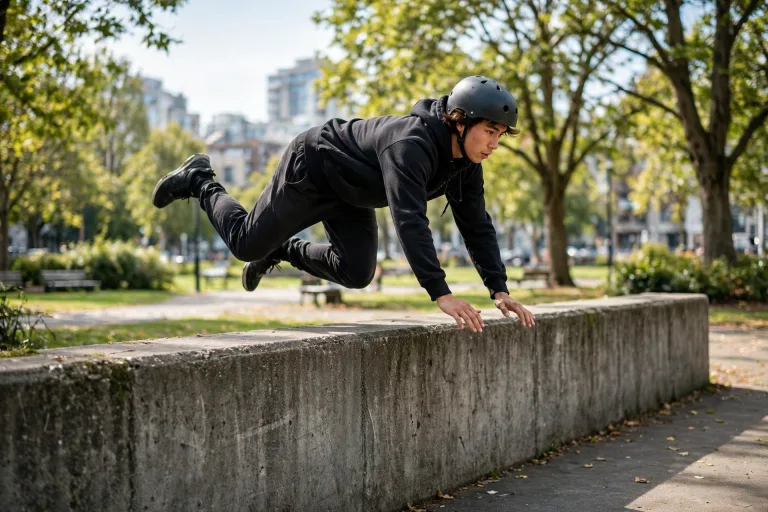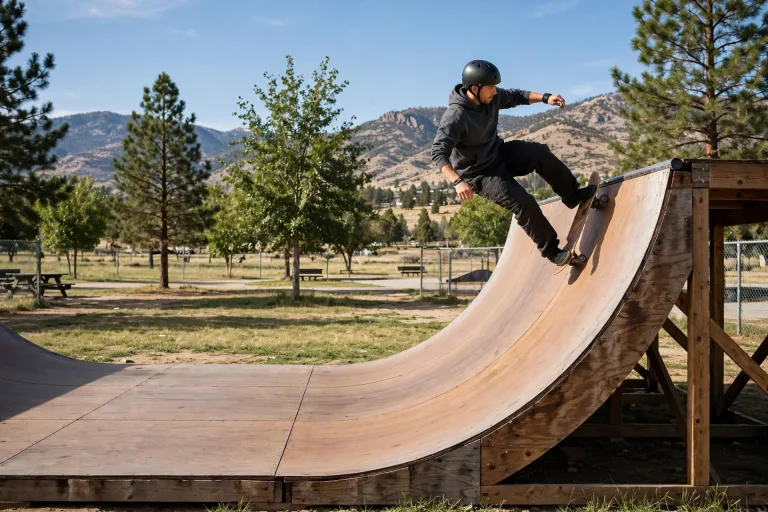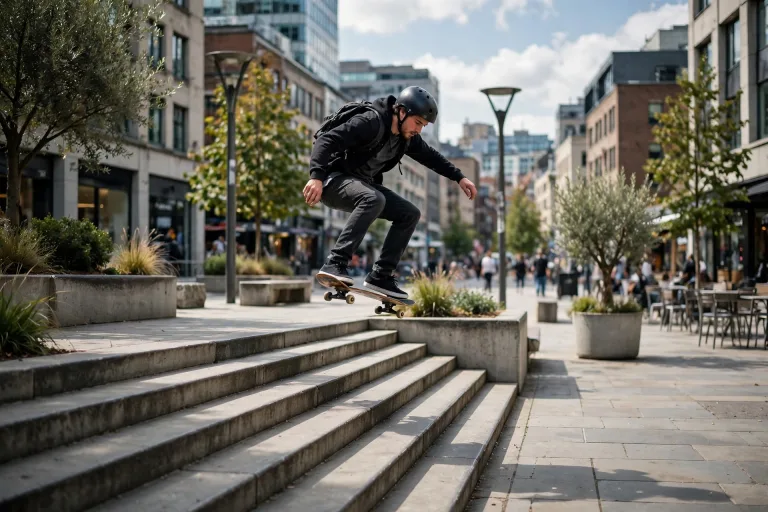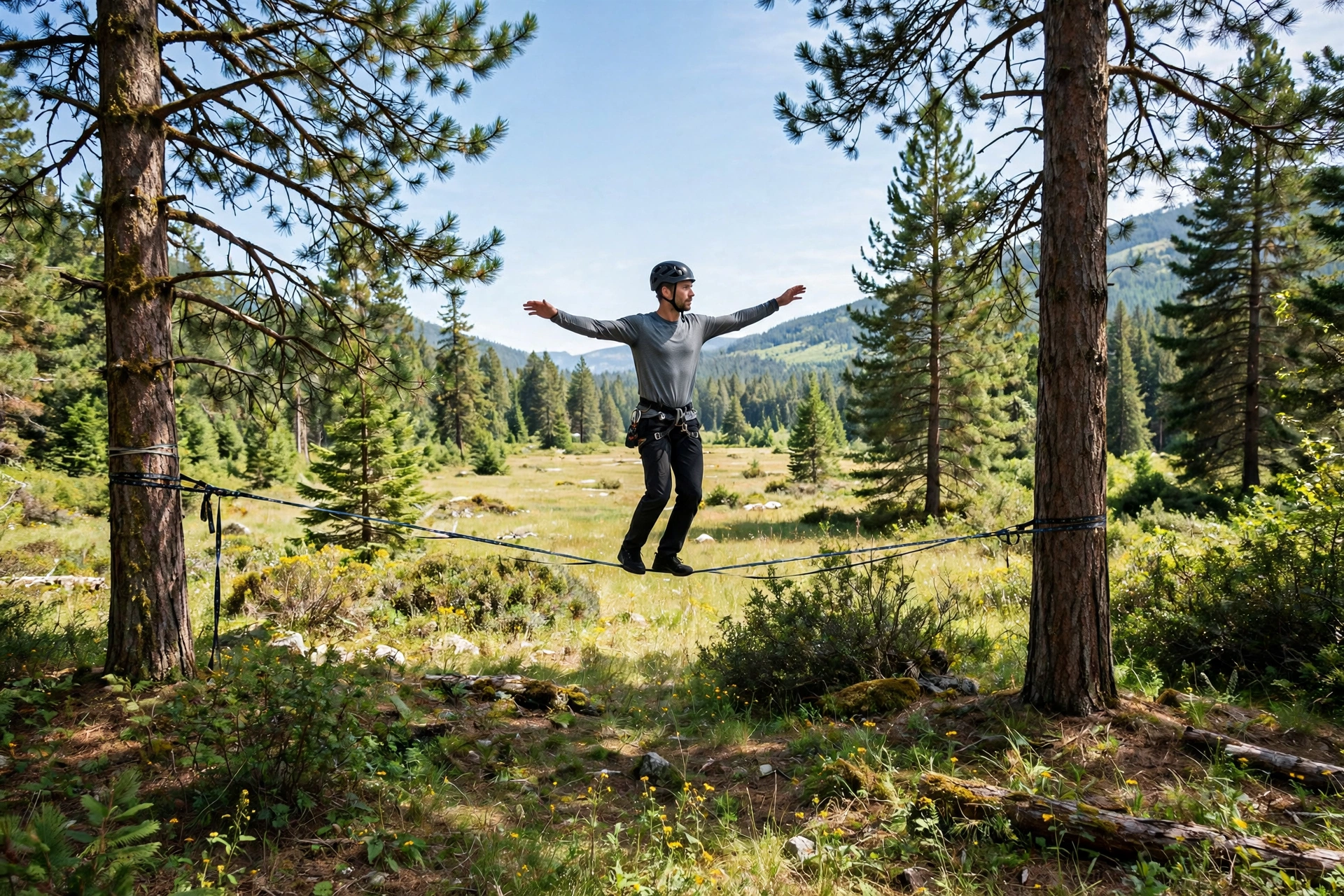
In general terms, a helmet is a sensible idea for slacklining, especially when you are learning, trying new tricks, or rigging a line high off the ground. Slacklining looks calm and controlled, but falls are part of the sport, and a fall from a line can send you sideways or backwards onto hard ground, rocks, or a tree root. A well-fitting helmet adds a simple layer of protection for a sport where the ground is never far away.
Do Slackliners Need a Helmet?
In general terms, yes, a helmet is a good idea for slacklining, and many experienced slackliners wear one as a matter of routine. The height of a typical beginner line is low, often less than a metre off the ground, which makes the risk feel small. But even a low fall can hurt if you land awkwardly, and the ground under a slackline is rarely soft: park grass can hide tree roots, forest floors are full of stones, and urban spots often have concrete nearby. A helmet protects the part of you that is hardest to protect in a fall.
The case for a helmet gets stronger as the line gets higher or the tricks get harder. Highlining, where the line is rigged many metres above the ground, is a different sport in terms of risk, and helmets are standard there, along with a harness and a leash. Jumping, bouncing, and surfing tricks also increase the chance of an awkward fall, because the line can throw you off balance in a direction you did not expect. Some slackliners argue that learning to fall safely is enough, and there is some truth in that, but learning takes time, and a helmet covers the falls that do not go as planned.
What Kind of Helmet Works Best for Slacklining?
A climbing helmet is the most common choice for slacklining, and for good reason. Climbing helmets are designed to protect against impacts from above and from the side, they are lightweight, and they ventilate well, which matters when you are concentrating hard in the sun. They also sit close to the head, so they do not get in the way when you are looking down at the line or turning your head to check your balance.
A cycling helmet or a skate helmet can also work, particularly for low lines in a park, because they are easy to find and comfortable to wear. A skate helmet has the advantage of covering more of the back and sides of the head, which can be useful for sideways falls. A cycling helmet is usually lighter and better ventilated, but it is designed mainly for forward impacts. Any of these is better than no helmet, so use the one that fits you best and that you will actually wear. What matters most is that the helmet is made for sport and meets a recognised safety standard, so avoid toy helmets or old helmets that have already taken a hard knock.
When Is a Helmet Most Important for Slackliners?
A helmet is most important when you are learning, because beginners fall the most and fall the least predictably. A new slackliner is still learning how to step off safely, how to read the line, and how to recover from a wobble, and those early sessions involve a lot of sudden, awkward falls. Wearing a helmet from the very first session builds a good habit and protects you while your falling skills are still developing.
It is also most important when the line is high, the ground is hard, or the tricks are new. A highline, a line over rocks or concrete, or a first attempt at a jump or a turn all raise the stakes, and a helmet is a simple way to manage that extra risk. Windy days can add to it too, because a gust can push the line or the slackliner off balance without warning. Even experienced slackliners wear a helmet when the conditions change: a line rigged in a new place, a longer line than usual, or a session after a break from the sport are all moments when falls are more likely.
How Should a Slacklining Helmet Fit?
A slacklining helmet should sit level on the head, low on the forehead, and snug all round, just like any sports helmet. It should not rock forward or backward when you shake your head, and it should not slide over your eyes when you look down at the line. The chin strap should be snug enough that you can fit only one or two fingers underneath it, and the side straps should form a neat V below each ear.
Fit is especially important in slacklining because you move your head a lot: looking down at the line, turning to check your balance, and looking up at the anchor. A helmet that shifts when you move your head will distract you and may not be in the right place if you fall. Try the helmet on and move your head through the full range before you buy, and adjust the fit system until it stays put. Some helmets include MIPS, a low-friction layer inside the helmet designed to reduce rotational forces in certain angled impacts. It is a feature some slackliners look for, but it is not essential, and it does not replace a good fit.
What Else Keeps Slackliners Safe?
A helmet is only one part of staying safe on a slackline. The rigging matters just as much: the line should be anchored to solid, healthy trees or proper anchors, with tree protection to avoid damaging the bark, and the tension should be checked before every session. A line that is too loose will sag and throw you off, while a line that is too tight can put excessive force on the anchors. Learn to rig properly, or learn from someone who already can.
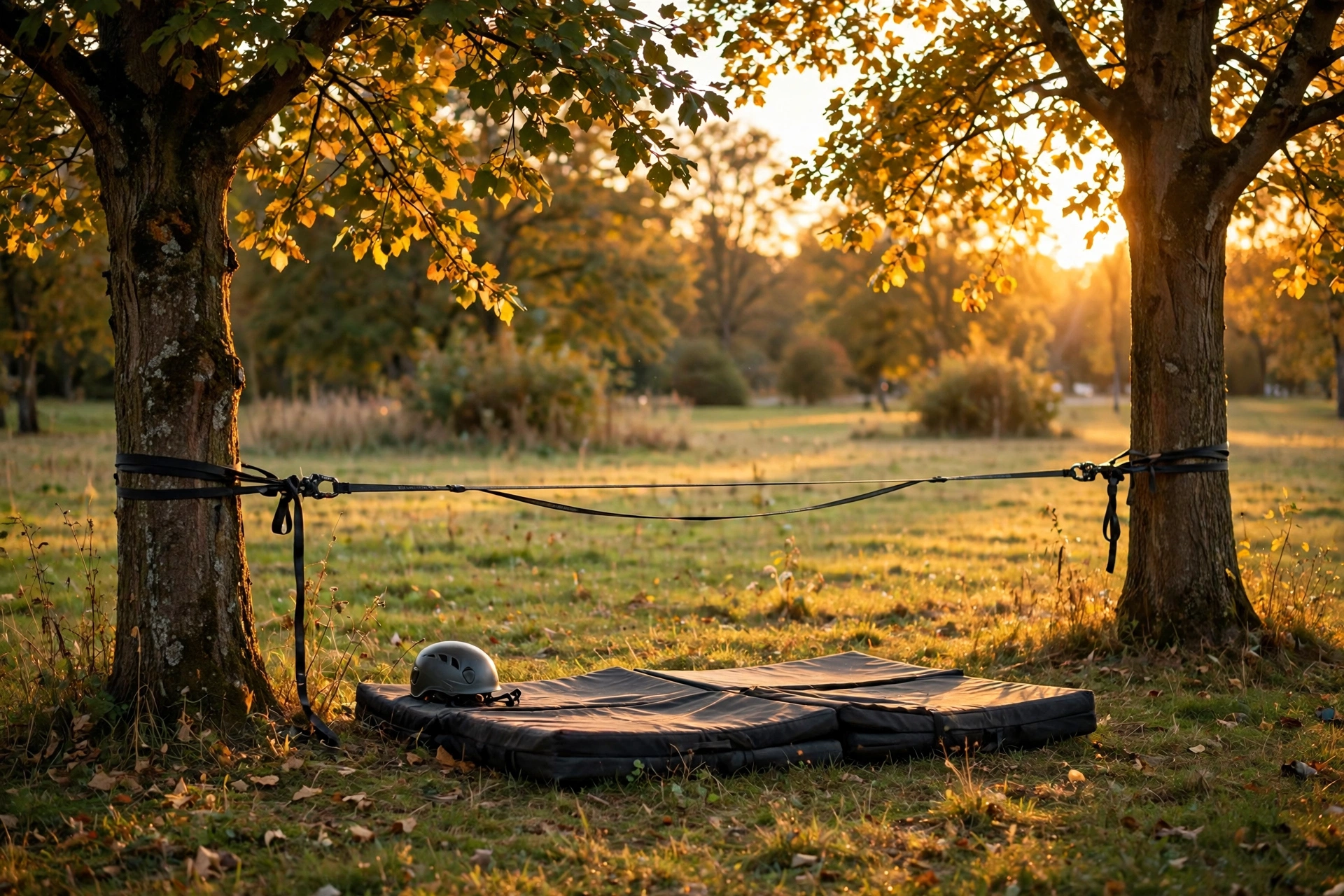
The landing zone matters too. Clear the ground under the line of stones, roots, and other hazards, and consider a crash mat or a thick pad under the middle of the line, where falls are most common. A mat will not prevent every injury, but it can soften a landing and give you more confidence to try new moves. Finally, respect your own limits: learn the basics before you try tricks, practise low before you go high, and never slackline alone on a highline. A helmet, a well-rigged line, a clear landing zone, and a sensible approach together make the sport far safer than any one of them alone.
Do you need a helmet for slacklining in a park?
Yes, in general terms a helmet is a good idea even on a low park line. Falls are common while learning, and the ground under a line can hide roots and stones. A lightweight climbing or skate helmet adds protection without getting in the way.
Can you use a bike helmet for slacklining?
Yes, a cycling helmet can work for low slacklines, and it is better than no helmet at all. A climbing helmet is often preferred because it protects against side and top impacts and sits close to the head, but use the helmet that fits you best.
Do highliners wear helmets?
Yes, helmets are standard for highlining, along with a harness and a leash. At height, a fall has far more serious consequences, so a helmet is part of the basic safety kit for the sport.

Olivia
Writer at Helmet Today, covering helmet reviews, fit and riding safety.