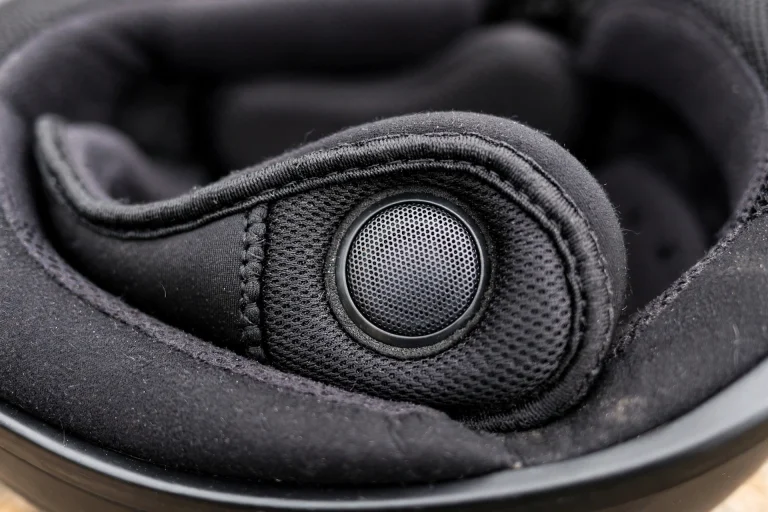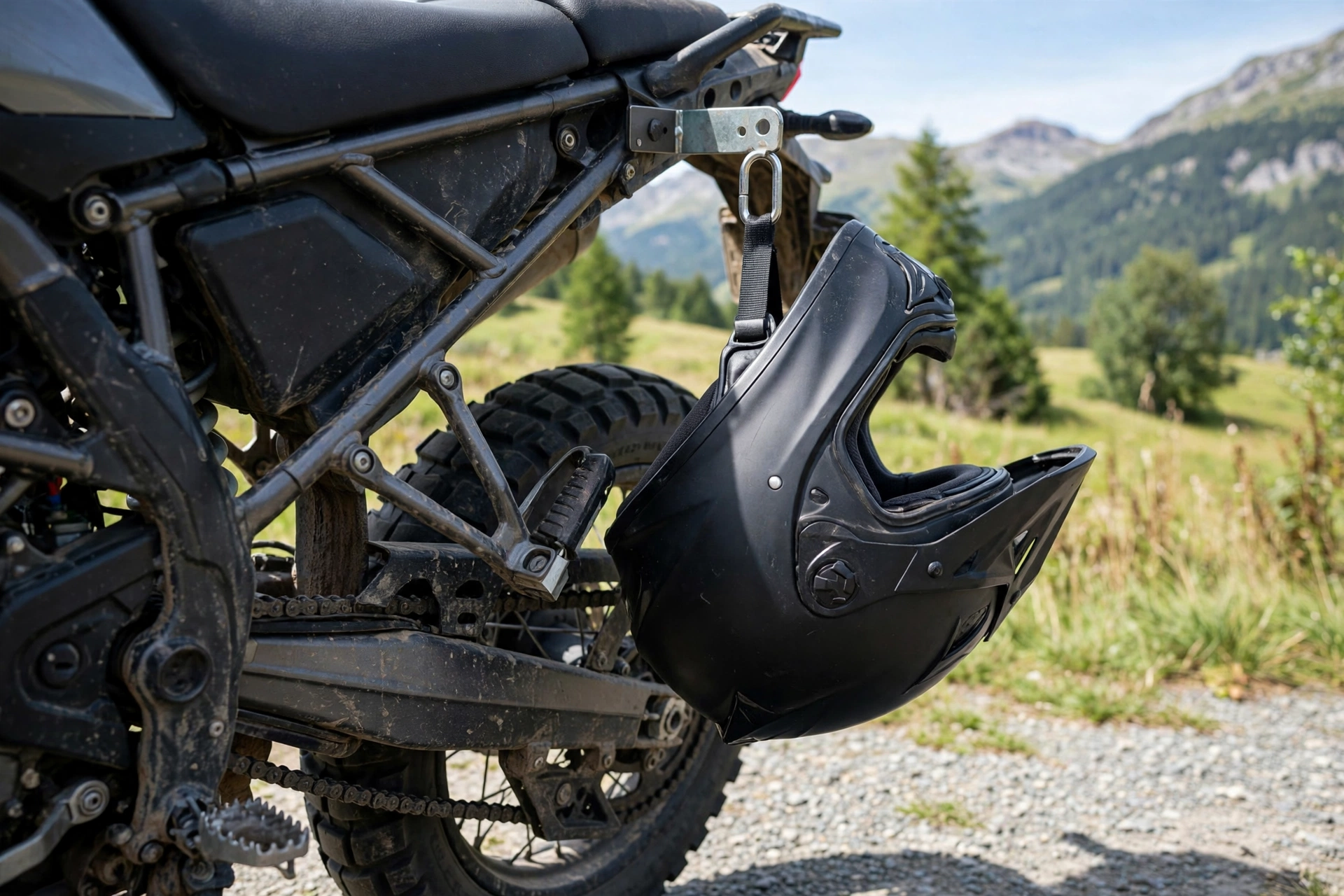
A helmet lock mount lets you carry your helmet on your bike by locking it to the frame, the handlebars, or a luggage rack, so you do not have to carry it in your hand or leave it loose on the seat. In general terms, these mounts work by holding the helmet’s strap or D-ring in a small locking bracket, or by running a cable through the helmet and around a fixed part of the bike. The right choice depends on your bike, your helmet, and how long you plan to leave it parked.
Carrying a helmet is one of those small problems that grows with every stop. A helmet is bulky, it does not fit in most bags, and leaving it balanced on the seat invites it to roll off and crack on the ground. A lock mount solves the problem by giving the helmet a secure home on the bike itself. This guide explains the main types of mounts, where to fit them, and what to check before you ride away.
What Is a Helmet Lock Mount and How Does It Work?
A helmet lock mount is a small bracket or cable system that attaches to your bike and holds your helmet in place with a lock. The simplest versions are a short steel cable with a combination or key lock: you thread the cable through the helmet’s chin strap or D-ring and around the frame, then lock it. More permanent versions are a bracket that bolts to the frame or handlebars, with a hook or loop that the helmet strap clips into and locks.
Some motorcycles have a factory helmet lock under the seat, while bicycle riders usually add an aftermarket mount, because most bicycles have no built-in helmet lock at all.
Which Type of Helmet Lock Mount Suits Your Bike?
For bicycles, a cable lock is often the most flexible option. It weighs little, fits in a pocket or saddlebag, and works with almost any frame and helmet. A coated cable is worth choosing, because a bare steel cable can scratch paint and wear the helmet strap over time. Some cyclists prefer a dedicated helmet lock that clamps to the frame or seat post and holds the strap in a small jaw, which is tidier but only fits certain tube sizes, so check the clamp diameter before buying.
For motorcycles, a frame-mounted bracket or a helmet lock that bolts to the handlebars or passenger peg area tends to be more practical, because a motorcycle helmet is heavier and a loose cable can let it swing against the paintwork. If your motorcycle already has a factory helmet lock, try that first: it is usually placed so the helmet hangs clear of the exhaust and bodywork. Whatever type you choose, make sure the mount does not interfere with steering, braking, or your riding position when the helmet is not attached.
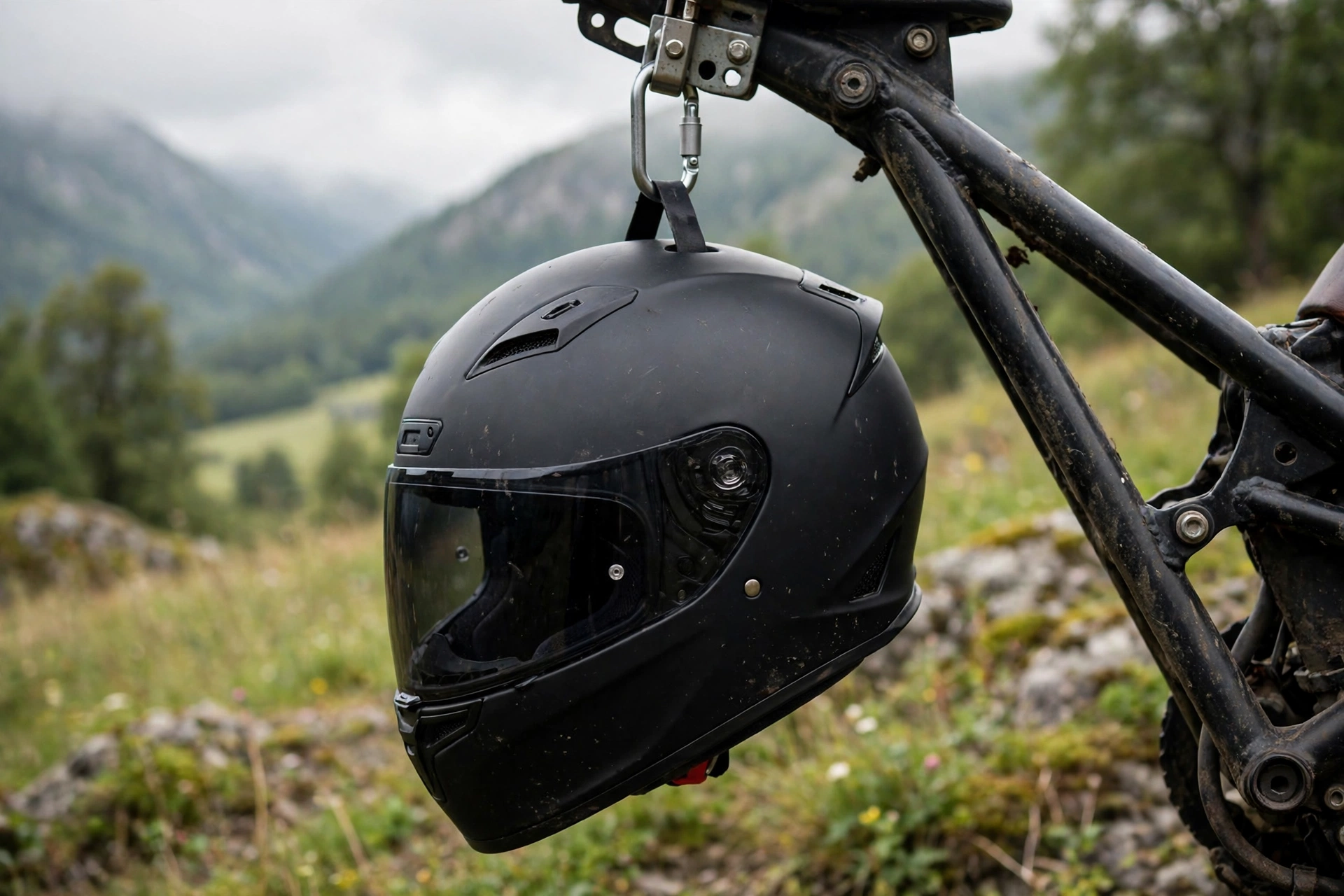
Where Is the Best Place to Mount a Helmet Lock?
On a bicycle, the most common spot is the seat post or the top tube, because both are easy to reach and keep the helmet roughly level. Hanging the helmet from the handlebars works too, but it can swing into the front wheel or block the headlight, so it is worth testing before you rely on it. Some riders mount the lock to a rear rack, which keeps the helmet behind them and out of the way, though the helmet may sit close to the ground on smaller frames.
On a motorcycle, the usual spots are under the seat, on the frame near the passenger pegs, or on the handlebars. The key test is clearance: the helmet should hang without touching the exhaust, the chain, or the bodywork, and without resting on the ground. A helmet that swings into a hot exhaust can melt its shell or lining, and one that rests on the ground picks up grit that scratches it. Before your first ride with a new mount, park the bike, attach the helmet, and give it a gentle push to see how far it swings in each direction.
How Do You Fit a Helmet Lock Mount?
Fitting a mount is usually a straightforward job that needs only basic tools, but it is worth taking your time. Start by choosing the position and checking that the clamp or bracket sits flat against the tube, with no gaps that would let it twist. Tighten the bolts evenly and firmly, but do not over-tighten a clamp on a thin-walled tube, because in general terms that can deform the tube or crack a carbon part. If the instructions give a torque setting, follow it.
Once the mount is fitted, test it with your actual helmet. Thread the strap or D-ring through the lock and close it, then tug the helmet firmly to check that nothing slips. Check that you can lock and unlock it easily with gloves on, because fumbling with a tiny key in the cold is frustrating. If the mount uses a cable, make sure the cable is long enough to reach through the helmet and around the frame without pulling tight, and short enough that the helmet does not hang low enough to swing into the wheel.
What Should You Check Before Leaving Your Helmet Locked on a Bike?
A helmet lock mount is a deterrent, not a guarantee. A determined thief with the right tools can cut most cables, so a lock mount is best for short stops in places you can see or for low-risk parking, rather than for leaving an expensive helmet unattended all day. If you are leaving the bike for a long time, taking the helmet with you is still the safer choice. Learning about what MIPS is for helmets can also help you understand the features on the helmet you are protecting, since some helmets are worth more than the mount guarding them.
Weather matters too. A helmet left hanging on a mount in rain will soak its lining, and one left in strong sun for hours will heat up and fade. If rain is likely, a helmet cover or a waterproof bag over the helmet helps, and parking in shade is better than parking in full sun. Finally, give the mount a quick check every few weeks: look for loose bolts, a stiff lock, or wear on the cable, and clean and lubricate the lock mechanism so it does not seize when you need it.
Frequently Asked Questions
Q: Can I use a regular padlock to lock my helmet to my bike?
A: In general terms, yes, if the padlock’s shackle fits through the helmet’s D-ring or strap and around a solid part of the bike. A dedicated helmet lock or a coated cable is usually more convenient, because a padlock alone can be awkward to thread and may scratch the frame.
Q: Will a helmet lock mount damage my bike frame?
A: It should not, if the clamp is the right size and fitted correctly with any protective padding the maker supplies. Avoid over-tightening, and check the mount from time to time for movement that could rub the paint.
Q: Is it safe to ride with a helmet hanging from a lock mount?
A: No, a helmet lock mount is for parking only. A helmet hanging loose while you ride can swing into the wheel or your leg and distract you, so always wear the helmet or carry it in a bag while riding.

Olivia
Writer at Helmet Today, covering helmet reviews, fit and riding safety.