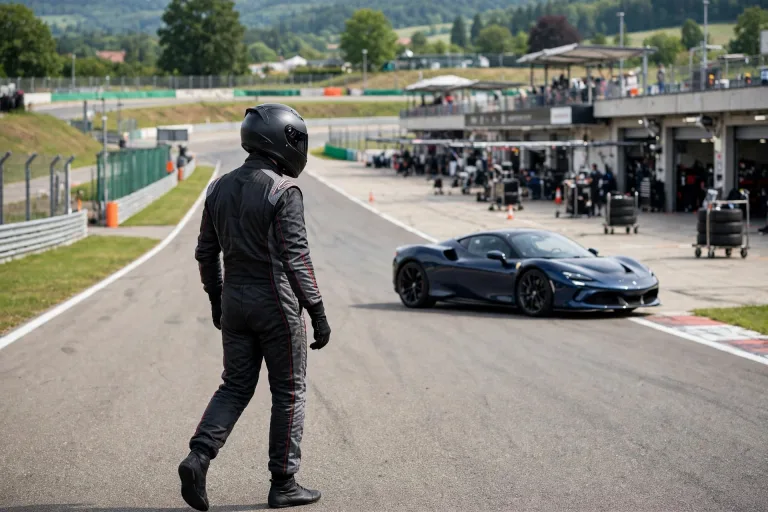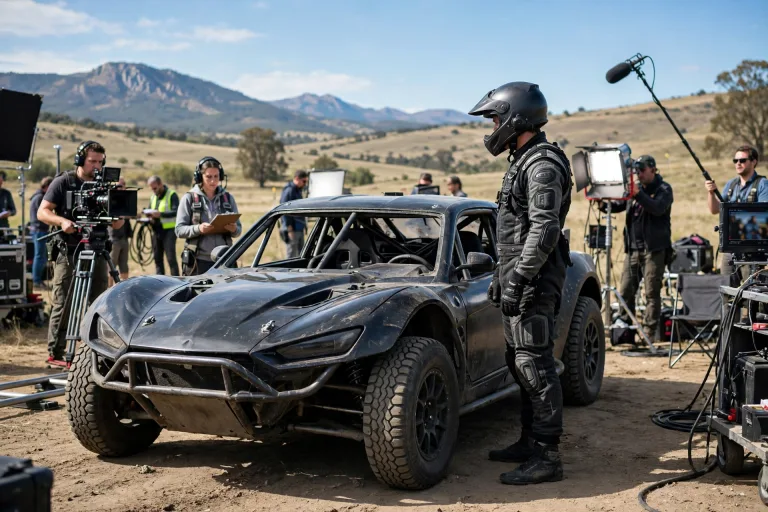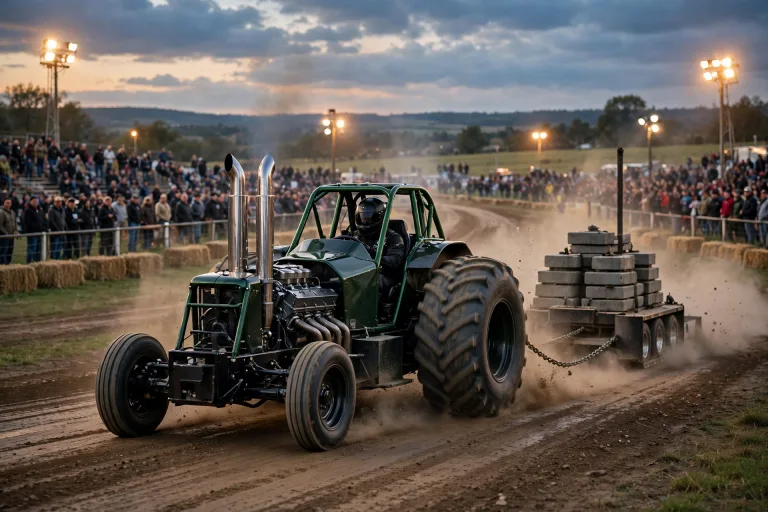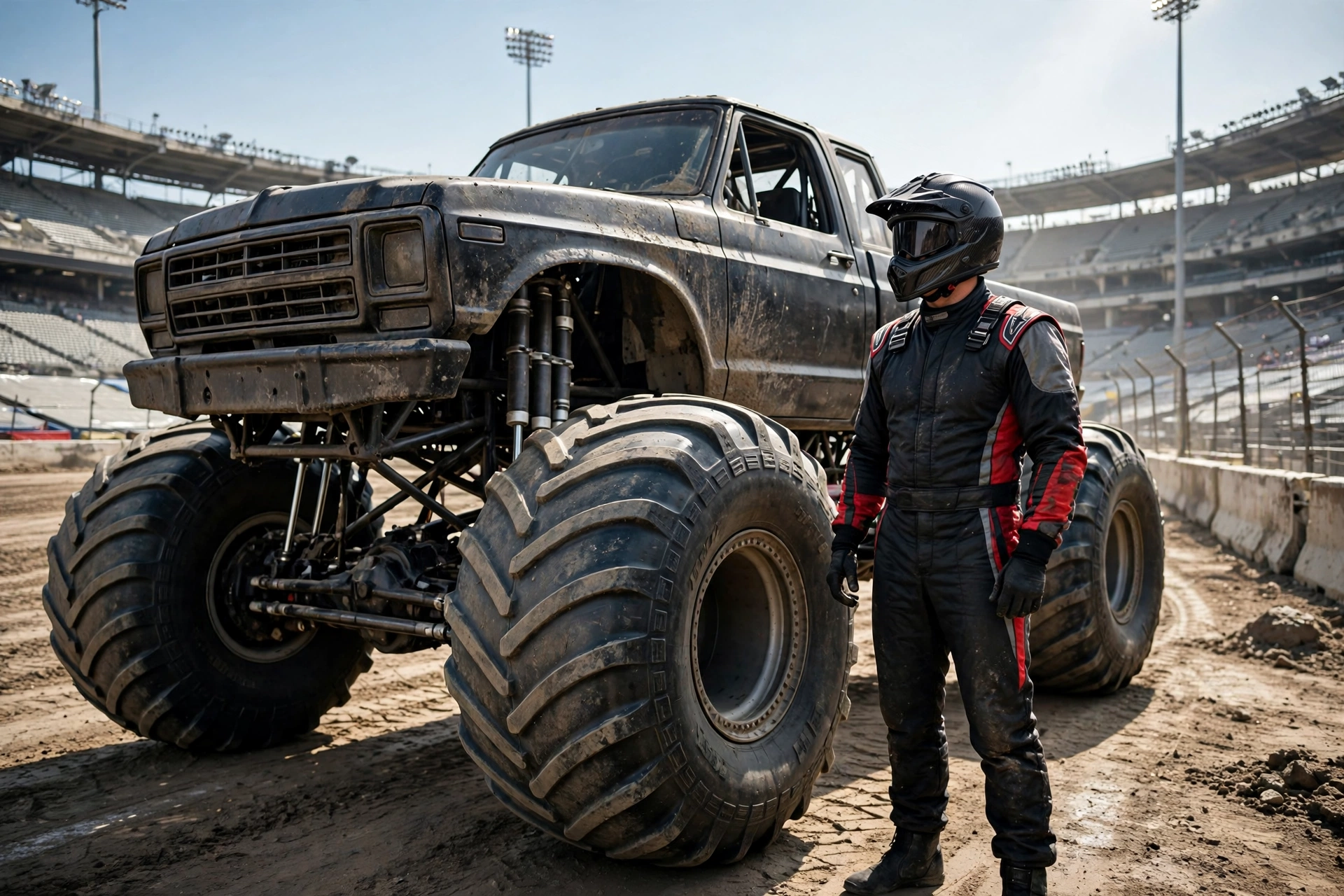
A helmet for monster truck drivers is a full-face motorsport helmet worn inside the cab of a monster truck to protect the driver’s head from hard impacts, rollovers, and flying debris, and in general terms every monster truck driver should wear one that fits well and is made for motorsport use. A monster truck is a huge machine with enormous tyres, a powerful engine, and a cab that sits high above the ground, and the driver is thrown about violently as the truck jumps, lands, and crushes cars. A helmet is essential safety equipment for that kind of driving, not an optional extra.
Monster truck shows are a mix of racing, freestyle stunts, and crushing, and each part of the show puts the driver through sharp jolts and sudden stops. The truck can land hard after a jump, tip onto its side, or roll over completely, and the driver can be thrown against the roll cage, the steering wheel, or the roof of the cab. A well-fitting motorsport helmet gives the driver protection in all of those moments.
Why do monster truck drivers need a helmet?
Monster truck drivers need a helmet because the forces inside the cab are far greater than in ordinary driving, and a crash or a rollover can happen in a split second. When a truck weighing several tonnes lands from a jump, the impact travels through the whole machine and into the driver’s body, and the driver’s head can be thrown forward, sideways, or back with real force. A helmet spreads that force and helps to protect the skull, and it also protects against direct knocks from the roll cage and the cab frame.
There is also the risk of flying debris, because a monster truck show involves crushing cars, spinning tyres, and dirt thrown up by the wheels. Bits of metal, glass, and dirt can enter the cab, and a full-face helmet with a visor shields the driver’s face and eyes. The noise is another factor: a monster truck engine is extremely loud, and many drivers use a helmet that works with ear protection or a built-in communication system.
What kind of helmet is best for monster truck drivers?
The best helmet for monster truck drivers is, in general terms, a full-face motorsport helmet with a hard outer shell, a strong visor, a secure chin strap, and a lining that can cope with heat and sweat. Many drivers use a helmet made for car racing, because those helmets are built to the standards used in motorsport and are designed to work with a head restraint device and a seat harness. The helmet should be light enough to wear through a whole show, but strong enough to take a hard knock.
The helmet should also work with the rest of the driver’s safety gear. A head restraint device, often called a HANS device, connects the helmet to the driver’s shoulders and helps to stop the head from snapping forward in a crash, so the helmet needs the anchor points for it. The visor should be clear, scratch-free, and easy to clean, because the driver needs a clear view of the course, the ramps, and the other trucks at all times.
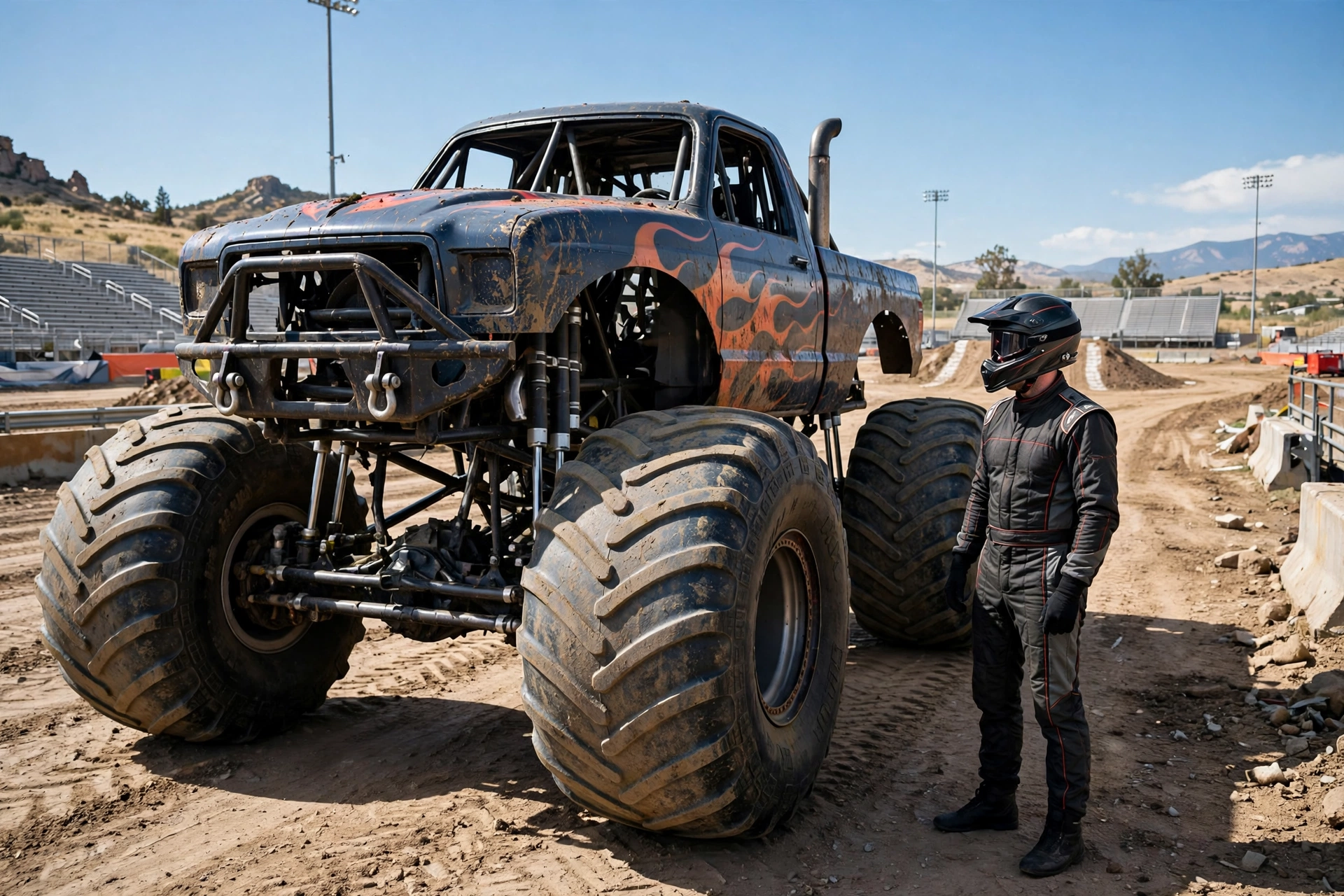
How should a helmet for monster truck drivers fit?
A helmet for monster truck drivers should fit snugly, sit level on the head, and stay firmly in place when the driver shakes their head or is thrown about in the cab. The helmet should cover the forehead and the top of the head, and the chin strap should be fastened securely every time the driver is in the truck. A loose helmet can shift during a jump or a landing, and a helmet that moves in the cab is a distraction as well as a risk.
The fit should be checked with the driver’s balaclava, ear protection, and communication headset in place, because those items change how the helmet sits. The helmet should not press on the ears or push the headset out of place, and it should not block the driver’s hearing so much that they cannot hear the engine or the radio. The driver should also check that the helmet works with the seat harness and the head restraint device, because all of these parts have to work together in a crash.
What safety standards should a monster truck helmet meet?
A monster truck helmet should meet a recognised motorsport safety standard, because those standards test helmets for the kinds of impacts that happen in car racing. In general terms, drivers and event organisers look for helmets that carry a current motorsport approval, and the rules of the event or the series will usually say which standards are accepted. A helmet that meets a motorsport standard has been tested for impact protection, for the strength of the shell and the visor, and for the way it works with a head restraint device.
Drivers should also check that the helmet is in good condition and has not been damaged. A helmet that has been in a crash or a rollover should be looked at with care, and in general terms a helmet that has taken a serious impact should be replaced rather than used again. The damage may not be easy to see, so a driver who has had a hard landing or a roll should think honestly about what the helmet has been through before wearing it again.
How should a monster truck helmet be looked after?
A monster truck helmet should be looked after with regular cleaning and sensible storage, in the same way as any motorsport helmet. After a show, the driver should wipe away the dirt and dust, clean the visor with a soft cloth, and let the helmet dry naturally away from direct heat. The lining can be removed and washed on many helmets, which helps to keep it fresh and comfortable through a long season of shows.
The helmet should be stored in a helmet bag, in a cool, dry place, where it will not be knocked about or used as a seat or a shelf. Strong heat, such as a hot truck cab in summer, can harm the materials in a helmet over time, so a cool place is a better choice for storage. Drivers who want to learn more about the features that help in a crash may want to read about MIPS, a system found in some helmets that is designed to reduce rotational forces in a fall, which can be useful in the violent impacts of monster truck driving.
Do all monster truck drivers wear a full-face helmet?
In general terms, yes, most monster truck drivers wear a full-face motorsport helmet, because it protects the whole head and face during jumps, landings, and rollovers. Event rules usually expect it.
Can a motorcycle helmet be used for monster truck driving?
No, in general terms a motorcycle helmet is not the right choice for monster truck driving, because it is made for a different kind of crash and does not work with a head restraint device in the same way. A motorsport helmet is the safer choice.
How often should a monster truck helmet be replaced?
A monster truck helmet should be replaced after a serious impact or rollover, or when it no longer fits well, shows damage, or has been used for a long time. When in doubt, replace it rather than keep driving in it.

Olivia
Writer at Helmet Today, covering helmet reviews, fit and riding safety.