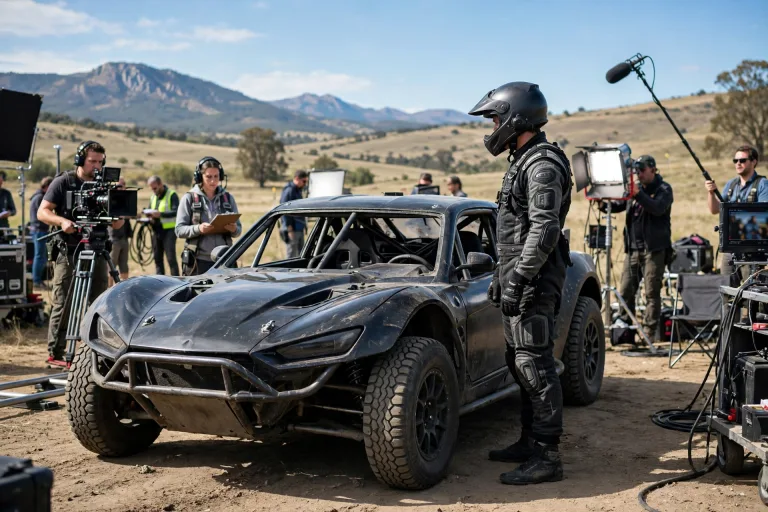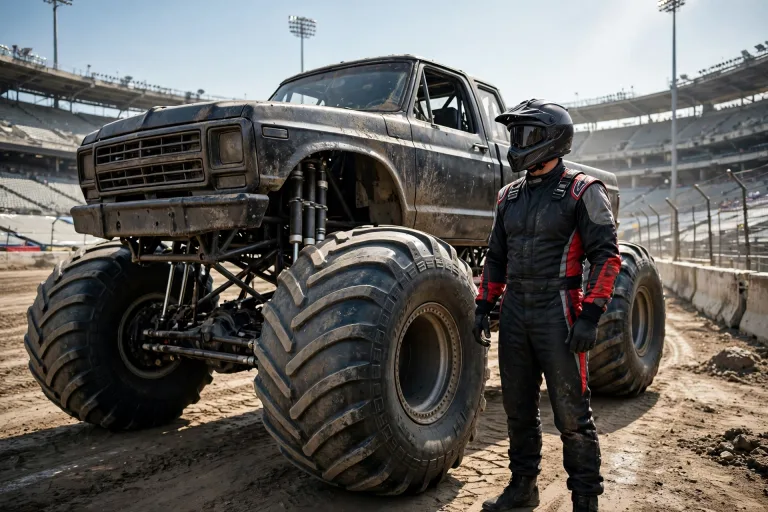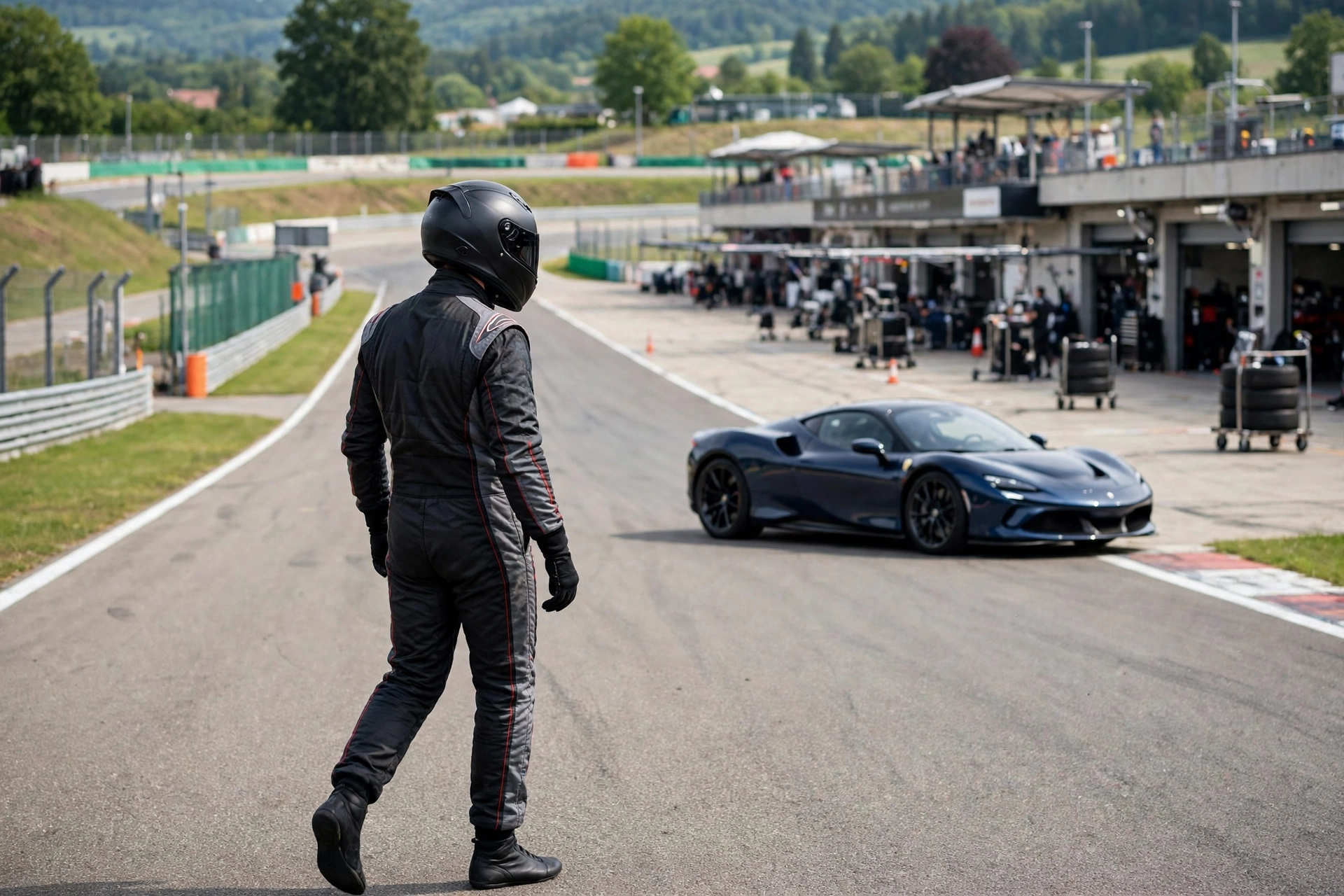
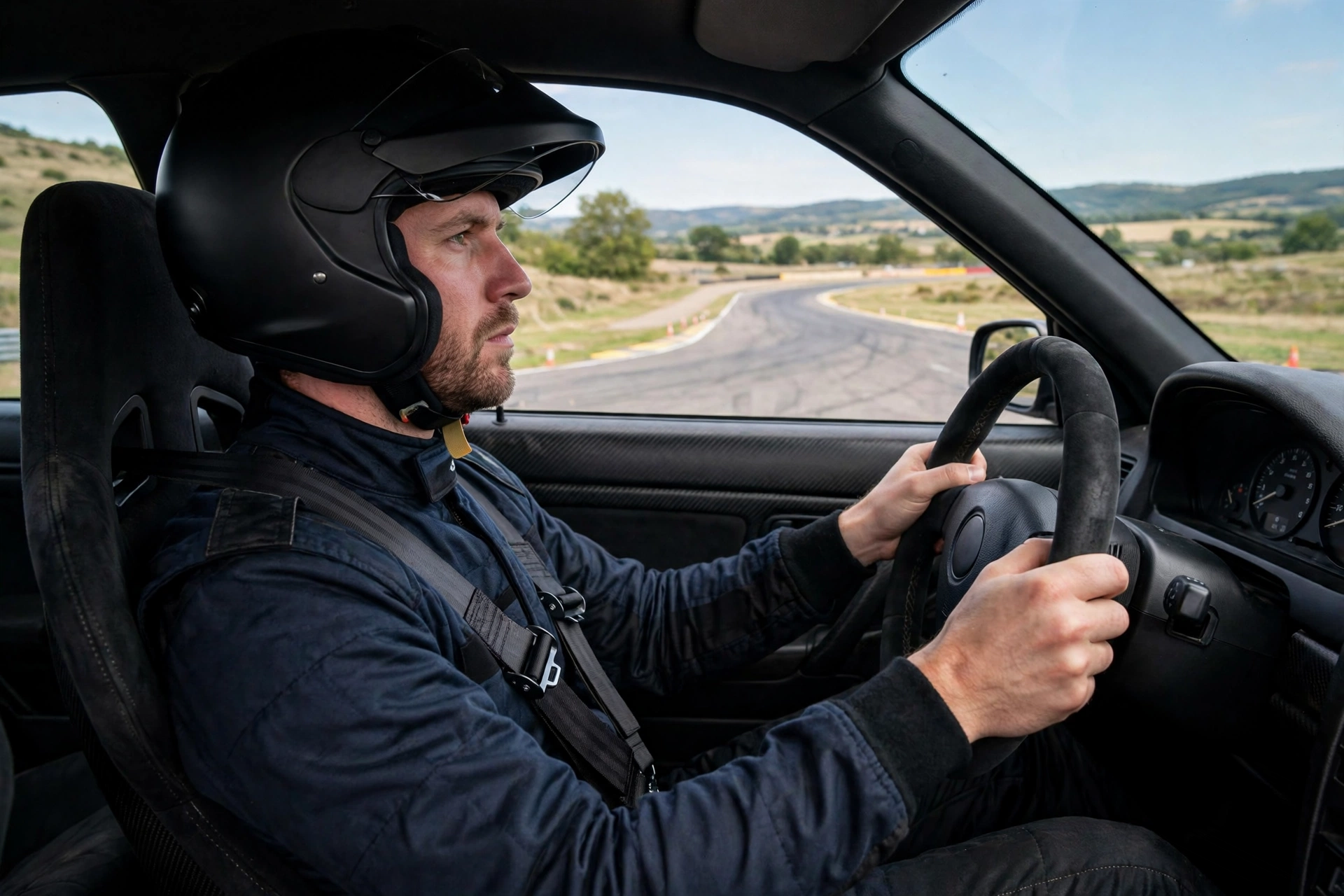
A helmet for test drivers is a helmet worn by a driver who tests cars, and in general terms it is usually a motorsport helmet that gives full-face protection, a clear visor, and a secure fit for driving at speed on a track or a test route. Test drivers put new or changed cars through their paces, which can mean hard braking, fast cornering, and driving at high speed, so the helmet has to protect them in a crash while letting them see clearly and hear the car. It is not a different kind of helmet from a racing helmet, but it is chosen for the particular demands of testing work.
Test driving covers a wide range of work, from testing a new road car on a handling circuit to testing a race car before an event. The driver may be on a closed track, on a private test road, or on a public road with a prototype car, and the helmet needs to suit each setting.
Why do test drivers need a helmet?
Test drivers need a helmet because they drive cars at speed and often push them to their limits, which raises the risk of a crash. A test car may be a prototype with new parts that have not been proven on the road, or a race car being set up for an event, and a fault or a loss of grip can lead to a crash with little warning. A helmet protects the driver’s head if the car leaves the track, rolls, or hits a barrier, and it also protects the face and the eyes from debris, dust, and broken glass.
A helmet with a visor keeps the driver’s vision clear in rain, spray, and dust, which matters when testing a car in all weathers. In general terms, a helmet is part of the basic safety equipment for a test driver, in the same way as a seat belt and a fireproof suit, and it should be worn whenever the car is being driven hard, even on a short test run.
What kind of helmet is best for test drivers?
The best helmet for test drivers is, in general terms, a full-face motorsport helmet that meets the safety standard required by the test programme or the circuit. A full-face helmet protects the whole head and the face, works well with a visor, and can be used with a head restraint device where one is fitted in the car. An open-face helmet leaves the face exposed and gives less protection, so it is not the usual choice for test driving at speed, although it may be used for low-speed work in some programmes.
The helmet should also be light enough to wear for a long session without causing neck strain, because a test driver may spend hours in the car with the helmet on. Ventilation matters too, since a hot and stuffy helmet can make the driver tired and less focused, and a tired driver is less safe. A test driver should try the helmet in the car before a test, to make sure it works with the seat, the belts, and the head restraint.
How should a helmet for test drivers fit?
A helmet for test drivers should fit snugly, sit level on the head, and stay in place when the driver shakes their head or leans into a corner. The helmet should cover the forehead and the top of the head, and the chin strap should be fastened securely every time the driver is in the car. A strap that is left loose lets the helmet lift or slide in a crash, and a helmet that moves around can also block the driver’s vision or press on the ears and cause discomfort over a long session.
The fit should be checked with the other gear the driver will wear, such as a balaclava, a head restraint device, and a communication headset, because these can change how a helmet sits. The driver should also check that the helmet does not press on the ears or the temples, because a helmet that hurts after an hour will distract the driver from the test work. A helmet that fits well feels secure but not painful, and it should be comfortable enough to wear for the whole test session.
What rules apply to helmets for test drivers?
The rules for helmets for test drivers are set by the test programme, the circuit, or the organisation running the test, and they can be different from one programme to another. Most programmes ask for a helmet that meets a recognised motorsport safety standard, and some ask for a helmet that is within a certain age, because a helmet’s materials can wear out over time. A driver should read the rules well before the test day, and should bring the helmet’s paperwork or labels with them if the programme asks to see them.
Some test programmes also have rules about the helmet’s condition, such as asking for a helmet with no cracks, no damage to the shell, and a visor that is clear and undamaged. It is far better to check in advance than to be turned away at the circuit. A driver who is unsure should ask the test team directly, because a short question before the day can save a wasted journey.
How should a test driver’s helmet be looked after?
A test driver’s helmet should be looked after with regular cleaning and sensible storage, in the same way as any motorsport helmet. After a test session, the driver should wipe the shell clean, let the lining air out, and check the visor for scratches or damage. A visor that is scratched or cloudy should be replaced, because a driver needs a clear view of the track. The helmet should be stored in a cool, dry place, away from direct heat and sunlight, and kept in a helmet bag when it is not in use.
The helmet should also be checked for cracks, dents, or damage to the shell after every test, and in general terms a helmet that has taken a serious impact should be replaced rather than used again. Drivers who are choosing a new helmet may also want to learn about features that can help in a crash, including a system designed to reduce rotational forces, such as MIPS, which is found in some motorsport helmets. A well-kept helmet, worn every time, gives a test driver the best chance of doing their job in safety.
Do test drivers always wear a helmet?
Test drivers usually wear a helmet whenever they drive at speed or push a car hard, such as on a track or a handling circuit. For slow, everyday driving on public roads, a helmet is not normally worn, and the rules of the test programme will say when one is needed.
Can a road helmet be used for test driving?
A road helmet may be fine for low-speed testing, but for high-speed work on a track a motorsport helmet that meets the programme’s standard is usually needed. The driver should check the rules of the test programme before choosing a helmet.
When should a test driver’s helmet be replaced?
A test driver’s helmet should be replaced after a hard impact or a crash, or when it no longer fits well, shows damage, or has reached the age limit set by the programme. When in doubt, replace it rather than keep testing in it.

Olivia
Writer at Helmet Today, covering helmet reviews, fit and riding safety.