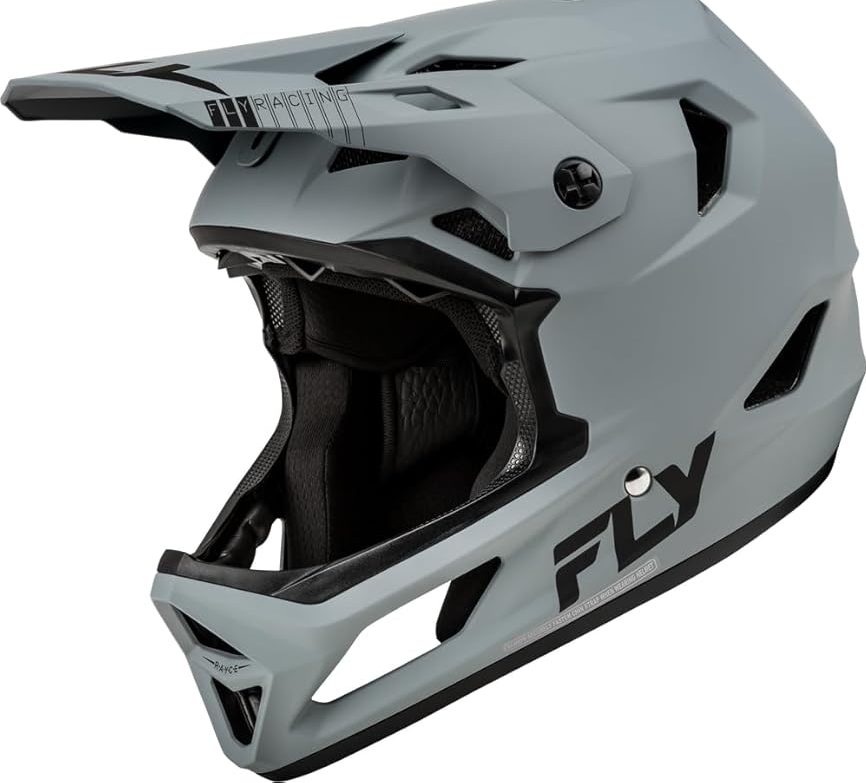

A real-world, experience-based guide that explains helmet lifespan, safety signs, and when riders should actually replace their gear.
Why Helmet Replacement Matters More Than Riders Think
A simple look at why helmets don’t last forever, even if they look fine on the outside.
I used to think a helmet was like a sturdy tool—buy it once, use it forever. That mindset changes fast after learning how foam and materials break down over time.
A helmet’s protection weakens due to:
- Foam compression over time
- Sweat, heat, and UV exposure
- Small drops or unnoticed impacts
- Daily wear from riding conditions
Riders in places like Florida heat or Arizona sun feel this faster because materials age quicker in extreme climates.
The Real Answer to How Often Should You Replace a Motorcycle Helmet
A clear, experience-based timeline most safety experts agree on.
When I first heard the “5-year rule,” I thought it was just marketing. But after seeing how padding changes over time, it actually makes sense.
General guideline:
- Replace every 3 to 5 years
- Replace immediately after a crash
- Replace sooner in extreme climates
LSI terms: helmet lifespan, EPS foam degradation, safety rating standards
What Happens Inside a Helmet Over Time
Most damage is invisible, and that’s the part riders miss.
I once opened an old helmet after years of use. It looked fine outside, but the inside foam felt softer and uneven.
What changes inside:
- EPS foam loses shock absorption
- Padding becomes loose or thin
- Straps weaken slightly
- Odor and moisture buildup
This is why helmets can feel “loose” even without visible damage.
Signs You Should Replace Your Helmet Immediately
Some warning signs are more important than any timeline.
I’ve learned not to ignore these. One small crash once left my helmet with invisible damage that I only noticed later.
Replace your helmet if:
- It was involved in any crash
- You see cracks in the shell
- Padding feels uneven or collapsed
- Strap or buckle feels weak
- Helmet shifts during normal use
How Riding Conditions Affect Helmet Lifespan
Your environment plays a big role in how fast a helmet wears out.
I noticed this while riding in humid Florida mornings versus dry Midwest roads. Same helmet, different wear speed.
Environmental impact:
- Hot climates weaken foam faster
- UV exposure dries outer shell
- Rain and humidity affect padding
- Dust increases interior wear
LSI terms: helmet materials, UV degradation, ventilation system wear
Helmet Materials and Why They Break Down
Not all helmets age the same way depending on build quality.
Modern helmets from brands like Bell Helmets or Shoei use advanced materials, but they still degrade over time.
Key materials:
- EPS foam (impact absorption core)
- Polycarbonate shell (entry-level durability)
- Fiberglass or carbon fiber (higher durability)
- Inner comfort padding (wears fastest)
Even premium helmets don’t last forever due to material fatigue.
How Storage and Care Affect Helmet Lifespan
Simple habits can make a helmet last longer or age faster.
I used to leave my helmet in my car all summer. That heat buildup definitely didn’t help.
Better care habits:
- Store in cool, dry place
- Avoid direct sunlight
- Clean padding regularly
- Avoid dropping helmet on hard surfaces
- Keep away from fuel or chemicals
Motorcycle Helmet Replacement After a Crash
Even small impacts can damage the inside structure.
This is something many riders underestimate. A helmet can look perfectly fine after a fall but still be unsafe.
Replace immediately if:
- You crash while wearing it
- Helmet hits ground hard
- You fall from bike with helmet on
- There is any visible deformation
LSI terms: impact absorption, structural integrity, safety shell damage
U.S. Riding Conditions and Helmet Wear
Different regions in the U.S. affect helmet aging in different ways.
From my experience riding across states, I noticed clear differences in wear patterns.
Examples:
- Florida: humidity weakens padding faster
- Arizona: sun exposure fades shell coatings
- Midwest: seasonal temperature swings stress materials
- Highway-heavy states: constant vibration wear
When You Should Start Thinking About Replacement
Not waiting for damage is actually the safer approach.
I personally start checking helmets closely after the 3-year mark, even if everything seems fine.
Time-based signs:
- 3 years: start inspection phase
- 5 years: normal replacement range
- 7+ years: unsafe for most helmets
LSI terms: helmet safety standards, replacement cycle, wear inspection
Quick Helmet Replacement Checklist
A simple personal checklist before deciding to replace.
I run through this quickly before every long trip.
- Helmet age over 3–5 years
- Any crash history
- Loose fit or shifting
- Interior foam feels soft
- Visible shell wear
If two or more apply, replacement is usually the safer move.
Final Thoughts From Real Riding Experience
What I learned after years of using different helmets.
A helmet is not just gear—it’s a time-sensitive safety tool. It doesn’t fail loudly. It slowly loses performance.
The biggest mistake I made early on was assuming “it still looks fine, so it must be fine.” That’s not how helmet safety works.
FAQ: How Often Should You Replace a Motorcycle Helmet
How often should you replace a motorcycle helmet?
Most helmets should be replaced every 3–5 years depending on use and conditions.
Do motorcycle helmets expire even if unused?
Yes. Materials degrade over time even without crashes or heavy use.
Should I replace helmet after a crash?
Yes. Any crash can weaken internal foam even if damage is not visible.
Can a helmet last more than 5 years?
Sometimes, but safety performance may reduce over time, especially in harsh climates.
What is the main reason helmets wear out?
Foam breakdown, heat, UV exposure, and daily use slowly reduce protection.

Olivia
Writer at Helmet Today, covering helmet reviews, fit and riding safety.

You actually make it seem so easy with your presentation but I find this matter
to be really something that I think I would never understand.
It seems too complicated and very broad for me. I am
looking forward for your next post, I will try to get the
hang of it!