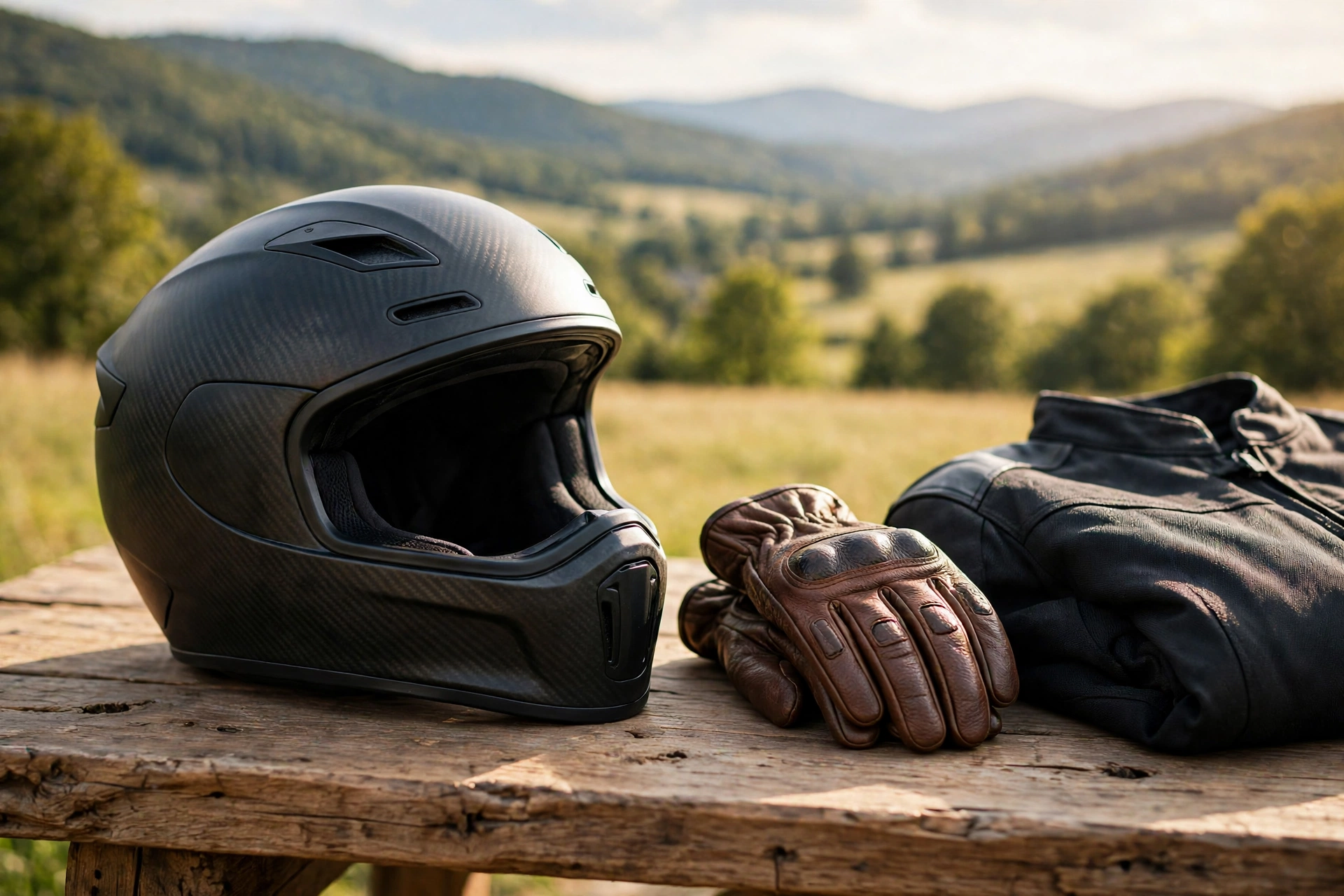
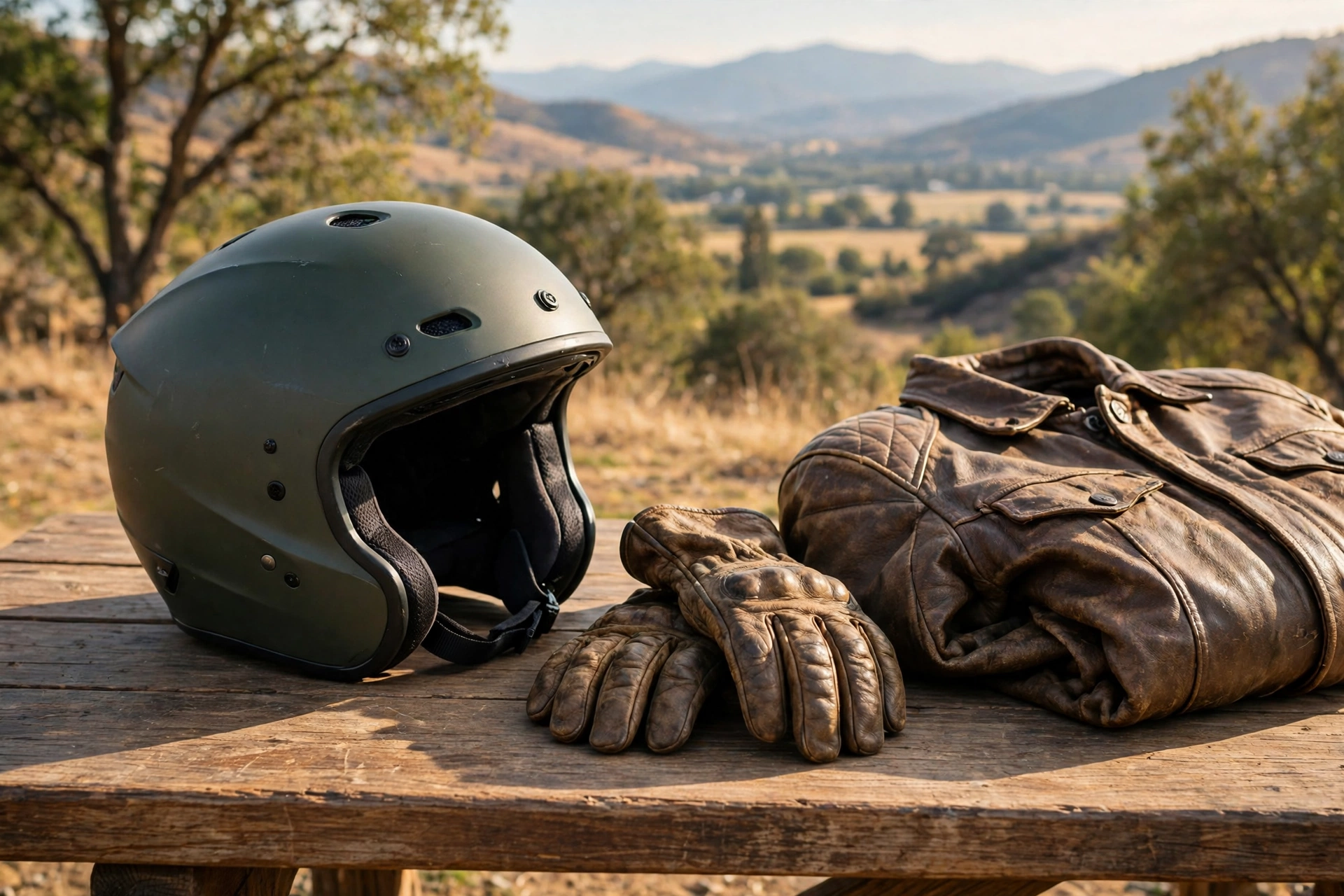
Lightweight helmets for older riders are helmets built with lighter shells and liners so they put less strain on the neck — and for many older riders, that lighter weight is the single biggest comfort difference a new helmet can make. As riders get older, a helmet that once felt fine can start to feel heavy, especially on longer rides. A lighter helmet reduces neck tiredness, helps you stay alert, and makes riding enjoyable for longer.
This guide explains what makes a helmet lightweight, how light is light enough, and how to choose one without giving up fit, protection, or comfort. It is written in general terms, because every rider is different, but the checks here will help you compare helmets and find the right one for how you ride now.
What Makes a Helmet Lightweight?
A helmet’s weight comes mainly from its shell and its liner. Shells made from advanced fibre materials are often lighter than basic plastic shells, while still meeting the same safety standards. The liner, padding, visor, and fastenings all add weight too, so a helmet with fewer extras is often lighter.
Size matters as well. A smaller shell is lighter than a larger one, so a helmet that fits your head properly, without a shell that is bigger than it needs to be, will usually weigh less. That is another reason to choose the right size rather than a helmet that is too big.
In general terms, a lighter helmet is not automatically a safer one. Weight is only one part of the choice, and a helmet still needs to fit well and meet the standard you need. Compare helmets of the same type, and look for the lightest one that also fits properly.
How Light Is Light Enough?
There is no single weight that suits every older rider, because it depends on your neck strength, the kind of riding you do, and how long your rides are. A helmet that feels fine for a short trip to the shops may feel heavy after two hours on the road, so think about your longest regular ride when you judge weight.
The best test is to wear the helmet for several minutes in the shop. Turn your head, look over your shoulder, and notice how it feels. Then compare it with another model. Even a small difference in weight can be noticeable when you hold the two helmets side by side, and that difference grows over the course of a long ride, when your neck has been carrying the helmet for an hour or more.
Also think about balance. A helmet that pulls forward or back will feel heavier than one that sits evenly, even if the two weigh the same. A balanced helmet is kinder to your neck, so check how the weight is spread, not just the total.
What Should You Check Besides Weight?
Fit comes first, whatever the weight. A lightweight helmet that does not fit properly will slide around, press in the wrong places, and make your neck work harder. It should sit level, feel snug all round without pressing hard, and stay put when you shake your head gently. A helmet that fits well will also feel more stable at speed, which matters on longer rides when wind and vibration can make a loose helmet move around.
Ventilation matters too, especially in warm weather. A helmet with good airflow feels cooler and more comfortable, and it helps stop the visor fogging up. Look for vents you can open and close easily, and check that air flows through the helmet when you are moving.
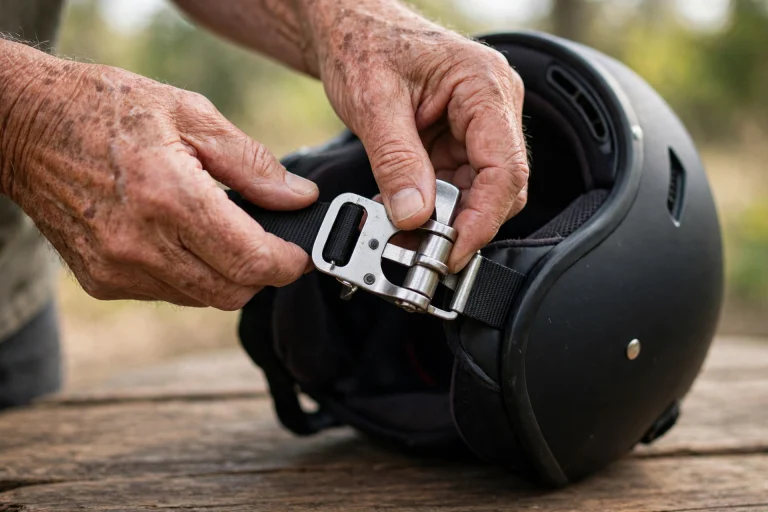
Easy fastenings are another practical feature. A micrometric buckle can be fastened with one hand and needs little finger strength, which helps if your hands are stiff. A visor that opens and closes smoothly, with a large tab you can find with gloves, is also worth looking for.
Are Lightweight Helmets Less Protective?
In general terms, no — a lightweight helmet that meets the right safety standard has been tested to the same level as a heavier one meeting the same standard. The weight difference usually comes from the materials used, not from leaving out protection. Look for the certification label inside the helmet, which shows the standard it meets.
What matters more than weight is fit and condition. A light helmet that fits well and is in good condition protects better than a heavy helmet that is loose or damaged. Check the helmet regularly for cracks, worn straps, and loose padding, and replace it after any hard impact.
If you are learning about how helmets handle different kinds of impact, reading about what MIPS is for helmets can help you understand one of the technologies used in modern helmet design.
How Do You Compare Lightweight Helmets?
Start by listing the helmets that fit you and meet the standard you need, then compare their weight. Hold them side by side, try each one on, and wear it for a few minutes. The lightest helmet on paper is not always the most comfortable in practice, so trust how it feels on your head.
Think about the kind of riding you do most. A touring rider who spends hours on the road will notice weight more than a rider who only makes short trips. A commuter who rides every day will value ventilation and easy fastenings as well as low weight.
Finally, take your time. A helmet is something you will wear for years, so it is worth trying several models before you decide. The right lightweight helmet is the one that fits well, feels balanced, meets the standard, and is comfortable on your longest ride.
One last point is worth remembering: the best lightweight helmet is the one you actually wear on every ride, so comfort and fit should always come before chasing the lowest possible weight on the label.
Frequently Asked Questions
Q: Are lightweight helmets safe for older riders?
A: In general terms, yes. A lightweight helmet that meets the right safety standard has been tested to the same level as a heavier one. Check the certification label inside the helmet.
Q: How much lighter is a lightweight helmet?
A: It varies by type and material, but the difference between models can be noticeable when you hold them side by side. Compare helmets of the same type and choose the lightest one that fits well.
Q: Should I choose the lightest helmet available?
A: Not necessarily. The lightest helmet is only the right choice if it also fits well, meets the standard you need, and is comfortable. Fit and comfort matter as much as weight.

Olivia
Writer at Helmet Today, covering helmet reviews, fit and riding safety.