When buying a second-hand kids helmet, parents should check the helmet’s history, its certification label, the shell and foam for damage, and — most importantly — that it fits the child properly right now. Children outgrow helmets fast, and a helmet that is too big, too old, or has an unknown crash history is not a safe choice, however cheap it is. A child’s head deserves the same care as an adult’s.
Kids helmets are often sold second-hand because children outgrow them quickly, which means good used helmets do exist. But they are also the helmets most likely to have been dropped, thrown, or crashed in. This guide explains the extra checks parents should make before buying one.
Why Do Kids Helmets Need Extra Checks?
Children treat helmets differently from adults. A kids helmet may have been dropped on concrete, thrown in a school bag, left in the sun, or used as a toy. Any of those can damage the foam inside without leaving a visible mark. A parent buying second-hand cannot assume a kids helmet was treated gently.
Children also grow quickly, which means a helmet that fitted six months ago may not fit now. A helmet that is too big can slide forward and block a child’s view, or shift in a fall and leave the head unprotected. A helmet that is too small can press painfully and tempt a child to take it off. Fit is not a detail for kids helmets — it is the main thing.
Finally, children’s heads are still developing, and their necks are weaker than an adult’s, so the consequences of a poor helmet are greater. That does not mean a second-hand helmet is never safe for a child, but it does mean the checks matter more and the margin for doubt is smaller.
What Should Parents Ask the Seller?
Ask how old the helmet is and how long the child wore it. A helmet worn for one season by a child who outgrew it is a very different purchase from a helmet passed through several children over several years. Ask whether the helmet was ever in a crash or a hard fall, and whether it was ever dropped onto a hard surface.
Ask how the helmet was stored. A helmet kept in a cool cupboard is in far better shape than one left in a hot car or a damp garage. Heat and sunlight age the foam, and a helmet that spent summers in a car may be weaker than its age suggests.
Ask why the helmet is being sold. “Outgrown” is a good reason. “Bought the wrong size” is also fine. But a vague answer, or a seller who cannot remember the helmet’s history, is a reason to be cautious. If the seller cannot tell you the helmet’s story, you cannot be sure it is safe.
How Do You Check the Helmet’s Condition?
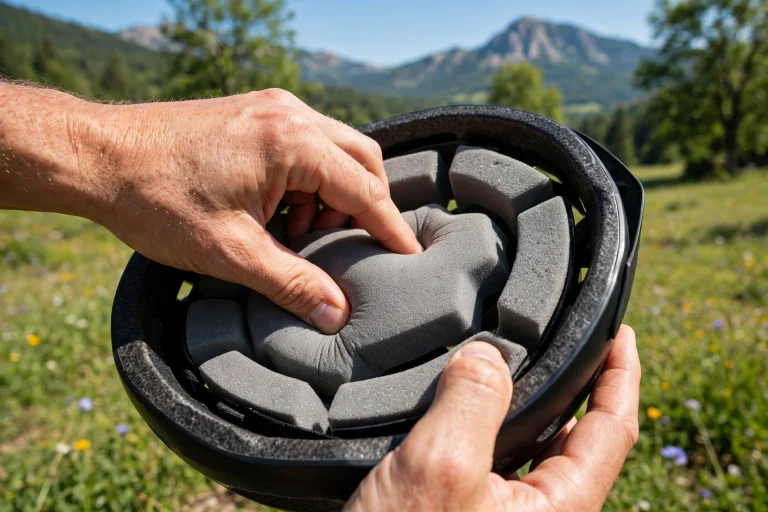
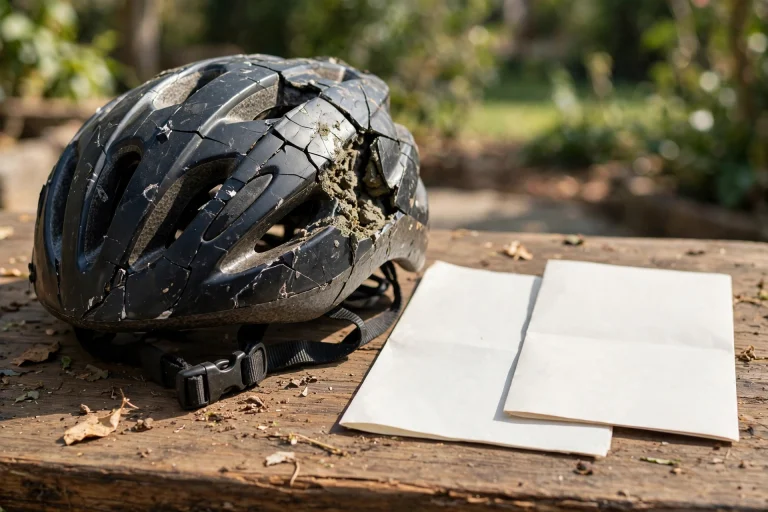
Look at the shell for cracks, dents, and deep scratches. Press the foam liner gently all over and feel for soft spots or crumbling. Check the straps for fraying and the buckle for smooth operation. These are the same checks as for an adult helmet, and they matter just as much.
Pay special attention to the inside. Children’s helmets often have sweat, sunscreen, and food inside them, and pads that are dirty or smelly should be replaced if possible. If the pads are not removable, a helmet that smells strongly may be one to avoid — it suggests heavy use and poor storage.
Check the certification label inside the helmet. It should be readable and name a standard for the sport the child will use it for — cycling, skiing, or skating. A missing label is a reason not to buy, because you cannot confirm the helmet was ever tested to a recognised standard.
How Do You Check the Fit on a Child?
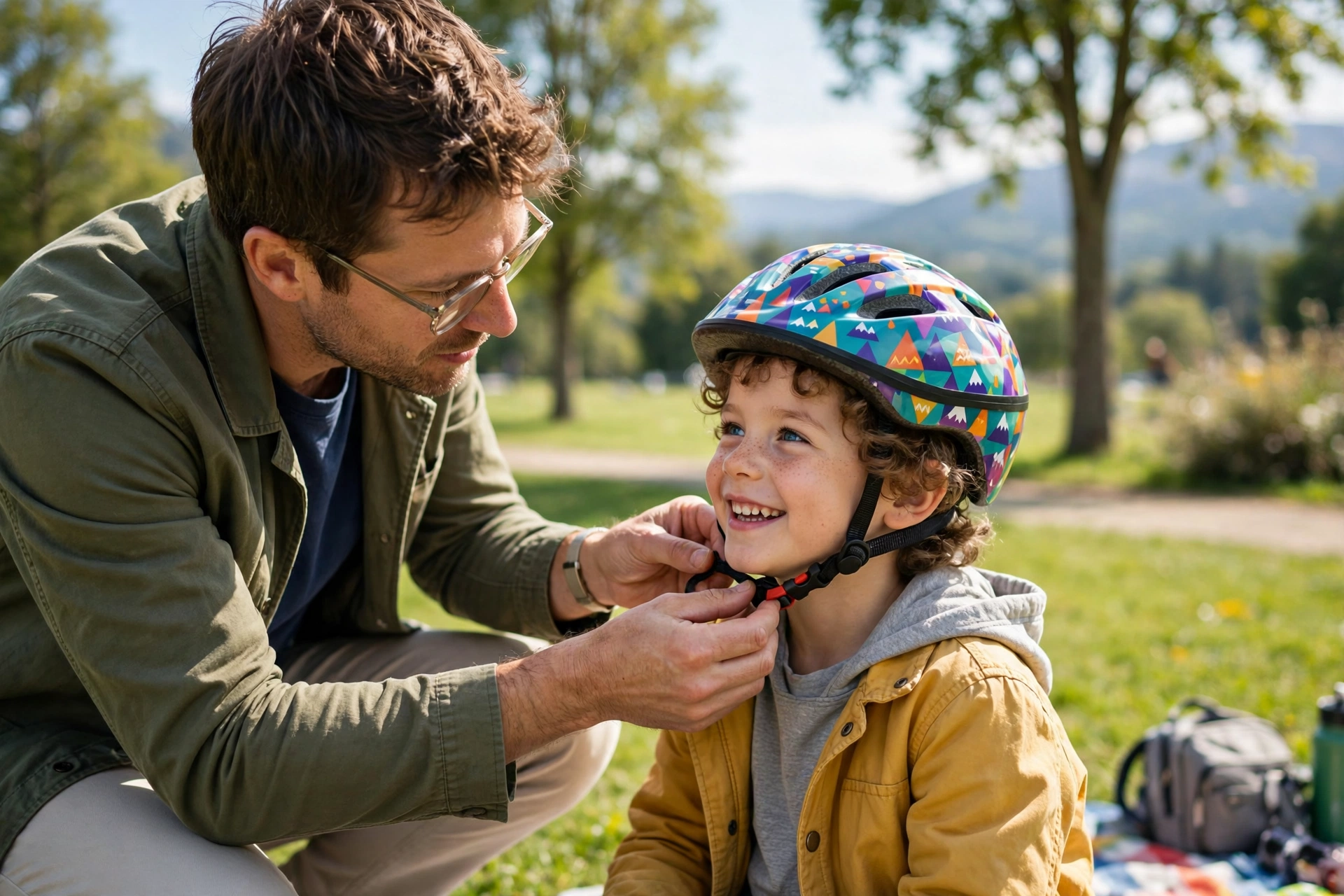
Bring the child to try the helmet on. A helmet bought without the child present is a gamble, and children are not good at judging fit by description. The helmet should sit level on the child’s head, low enough to cover the forehead, without tilting back.
Check the fit with the child’s hair as it usually is — a helmet fitted over a ponytail or a thick hat will fit differently without them. The helmet should feel snug all around with no pressure points, and it should not rock side to side or slide forward when the child shakes their head gently.
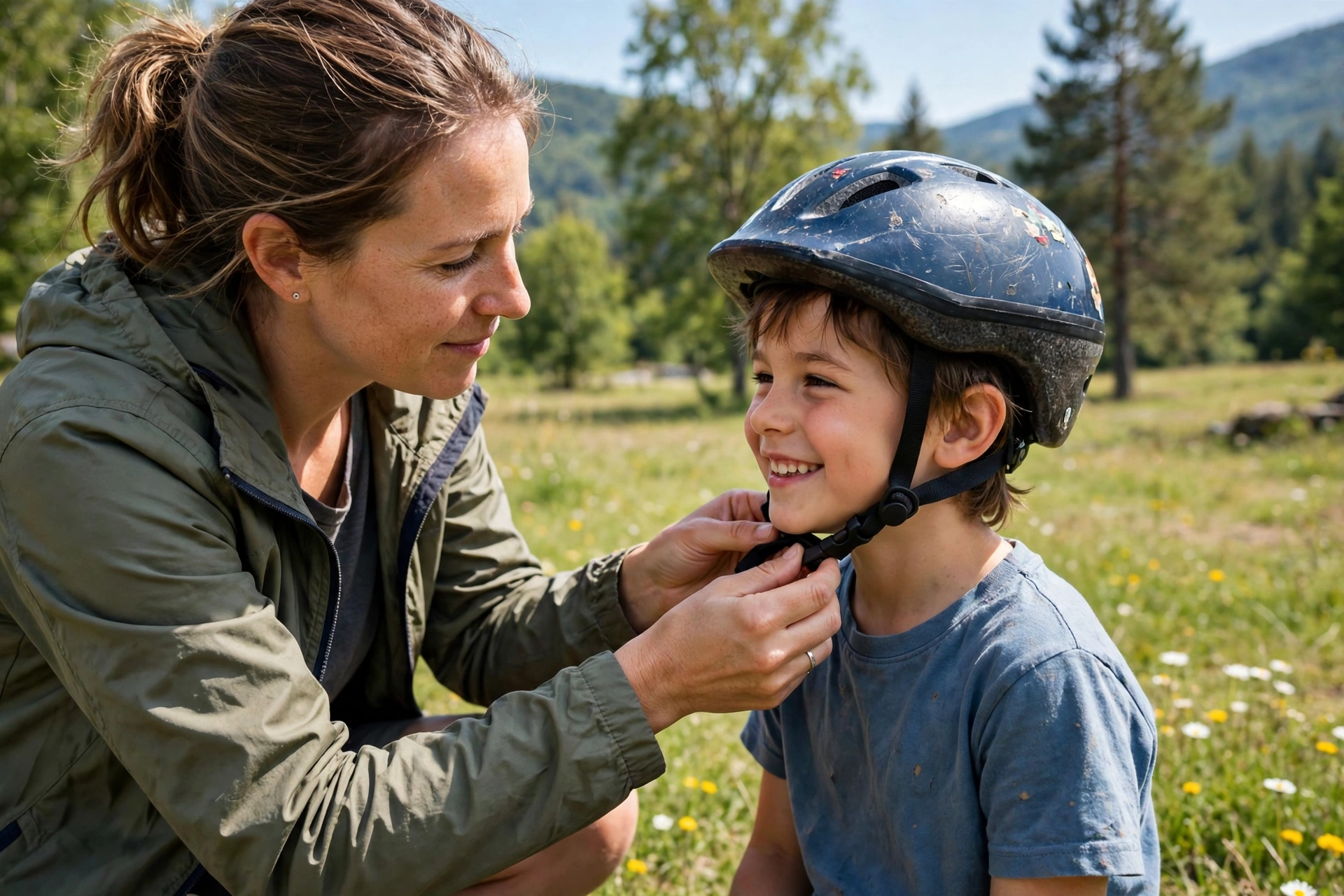
Fasten the strap and check that it sits snugly under the chin, with room for no more than one or two fingers between the strap and the chin. Ask the child whether the helmet feels comfortable. A child who finds a helmet uncomfortable will find reasons not to wear it, and a helmet left at home protects no one. If you want to understand what is inside the helmet protecting your child, reading about what MIPS is for helmets can help you compare helmets on more than price and colour.
When Should Parents Buy New Instead?
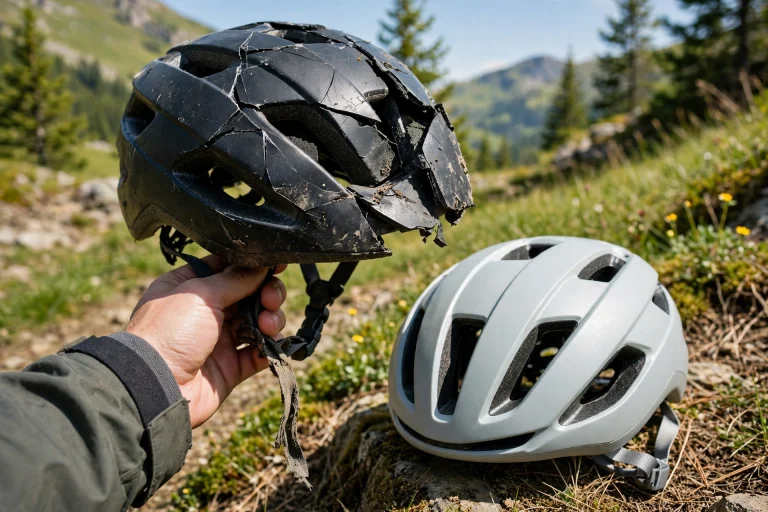
Buy new if the used helmet’s history is uncertain, if it shows any damage, or if the label is missing. Buy new if the helmet is near the end of its service life, or if it does not fit the child properly. A new kids helmet is usually not expensive, and it comes with a known history and a warranty.
Buy new if the child is very young. For toddlers and small children, the margin for error is smallest, and a new helmet in exactly the right size is worth the extra cost. The same applies if the child will use the helmet for a higher-risk activity, such as BMX or skiing, where the consequences of a poor helmet are greater.
Finally, buy new if you feel any doubt at all. A parent’s instinct is a useful check: if something about the helmet or the seller makes you uneasy, trust that feeling. A new helmet, bought in the right size from a reputable shop, removes the doubt entirely — and that peace of mind is worth paying for.
Frequently Asked Questions
Q: Is it safe for my child to wear a second-hand helmet?
A: In general terms, yes — if you know its history, it is undamaged, within its service life, and fits your child properly. If any of those points is uncertain, a new helmet is the safer choice.
Q: How do I know when my child has outgrown a helmet?
A: If the helmet sits high on the head, presses uncomfortably, or the straps cannot be adjusted to fit snugly, it is too small. Check the fit every few months, because children grow quickly.
Q: Can I pass a helmet down to a younger sibling?
A: Yes, if the helmet is undamaged, has never been crashed, is within its service life, and fits the younger child properly. Check the condition and fit carefully before passing it on.

Olivia
Writer at Helmet Today, covering helmet reviews, fit and riding safety.