When I dug into Washington motorcycle helmet laws, I found that the basic rule is quite clear. Washington requires motorcycle operators and passengers to wear a helmet on state highways, county roads, and city streets. The helmet must meet the state’s required safety standard, and its chin or neck strap must be fastened while the motorcycle is moving.
What often causes confusion is everything around that basic rule. Riders ask about adults, passengers, DOT stickers, windshields, eye protection, mopeds, and unusual three-wheel vehicles. I went through the current Washington law and Department of Licensing guidance to break those points down in plain English.
What Do Washington Motorcycle Helmet Laws Require?
Washington has a universal motorcycle helmet law. In simple terms, you cannot operate or ride a motorcycle on a state highway, county road, or city street without wearing a motorcycle helmet.
The rule is not limited to young riders. It applies to both the person driving and the person riding as a passenger.
| Washington rule | What it means |
|---|---|
| Helmet required | Operators and passengers must wear one |
| Where it applies | State highways, county roads, and city streets |
| Chin or neck strap | Must be secured while moving |
This is one of those laws where I would not rely on what another rider tells you at a gas station. Washington’s statute is direct, and the Department of Licensing gives the same basic guidance.
Do Adults Have to Wear Motorcycle Helmets in Washington?
Yes. Washington does not have a general adult age exemption from its motorcycle helmet requirement. If you are riding a covered motorcycle on a public road, the helmet rule applies regardless of whether you are 18, 30, or 60.
That is worth stressing because helmet rules vary a lot between states. Advice that is correct in one state can be completely wrong once you cross the border.
Do Passengers Need Helmets Too?
Yes. The law says a person may not “operate or ride upon” a motorcycle without a helmet. That wording covers the passenger as well as the operator.
| Rider | Helmet required? |
|---|---|
| Motorcycle operator | Yes |
| Motorcycle passenger | Yes |
| Adult rider | Yes |
| Child passenger | Yes, with an additional age restriction |
There is also a separate rule that makes it unlawful to transport a child under five on a motorcycle or motor-driven cycle.
What Kind of Helmet Is Legal in Washington?
Washington defines a motorcycle helmet as protective headgear with a hard outer shell, inner padding, and a neck or chin strap retention system. The helmet must also carry the manufacturer’s certification showing that it meets the federal motorcycle helmet standard in 49 C.F.R. § 571.218.
The Washington Department of Licensing puts this more simply: riders need a DOT-compliant helmet. Its motorcycle manual also warns that novelty helmets are not DOT compliant and cannot be used on public roadways for two- or three-wheeled motorcycles.
How Can I Check a Helmet Before Riding?
This is where I would slow down rather than just grab the cheapest helmet on the shelf. Check the DOT markings and make sure the helmet fits snugly and the retention strap works properly.
| Helmet check | What to look for |
|---|---|
| DOT compliance | Required certification markings |
| Fit | Snug without painful pressure |
| Strap | Securely fastened before riding |
| Condition | No obvious damage or serious wear |
The Washington motorcycle manual also recommends a quality helmet that fits properly and stays secure during a ride.
Does Washington Require Motorcycle Eye Protection?
Yes, with an important exception. Washington requires eye protection when riding a motorcycle on public roads unless the motorcycle has a windshield.
This is one detail that is easy to overlook. Wearing a helmet does not automatically answer the separate eye-protection question.
Washington law refers to glasses, goggles, or a face shield that meets the applicable state requirements.
Is a Windshield Enough for Eye Protection?
For the legal requirement, a windshield can satisfy the exception. But the Washington Department of Licensing makes a useful practical point: a windshield may not fully protect your eyes from rain, insects, dust, or road debris.
| Setup | Legal eye-protection rule |
|---|---|
| Motorcycle without windshield | Eye protection required |
| Motorcycle with windshield | Separate eye protection not required by this rule |
| Full-face helmet | Face shield can add useful protection |
I learned not to confuse “legally enough” with “best protection.” They are not always the same thing.
Are There Exceptions to Washington’s Helmet Law?
There are a few specific exceptions, but they are much narrower than some riders expect.
The statute excludes an antique motor-driven cycle. It also provides an exception when the vehicle has a steering wheel, compliant seat belts, and a partially or completely enclosed seating area certified by the manufacturer to meet the federal standard named in the law.
What About Enclosed Three-Wheel Vehicles?
This is where vehicle design matters. A vehicle is not automatically exempt just because it has three wheels.
The statutory exception requires several features, including a steering wheel, seat belts, and the required enclosed seating area.
| Vehicle situation | General helmet rule |
|---|---|
| Normal two-wheel motorcycle | Helmet required |
| Passenger on motorcycle | Helmet required |
| Antique motor-driven cycle | Statutory exception applies |
| Qualifying enclosed vehicle | Statutory exception may apply |
If the vehicle falls into an unusual category, I would check its legal classification rather than make a guess based on its appearance.
What About Mopeds and Motor-Driven Cycles?
Washington’s helmet statute also covers mopeds and motor-driven cycles when they are used on state highways, county roads, or city streets. The same section requires the rider to wear a motorcycle helmet and secure the chin or neck strap while the vehicle is moving.
This is another place where people can get tripped up by terminology. Calling something a moped does not automatically mean the motorcycle helmet rule disappears.
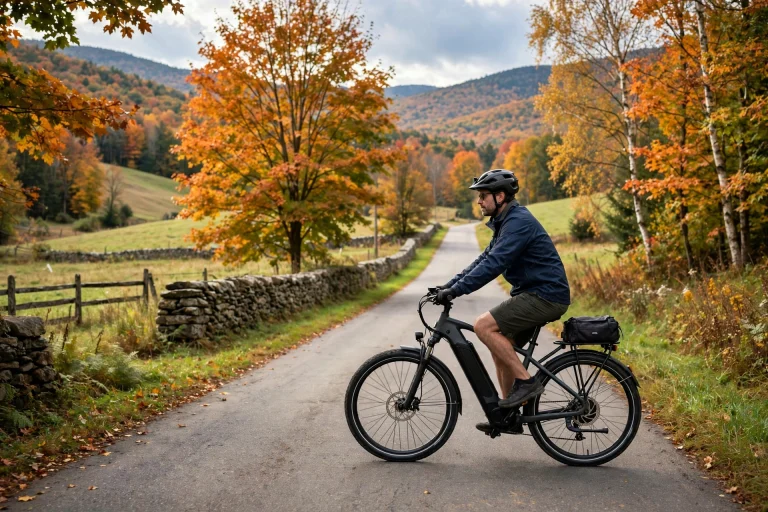
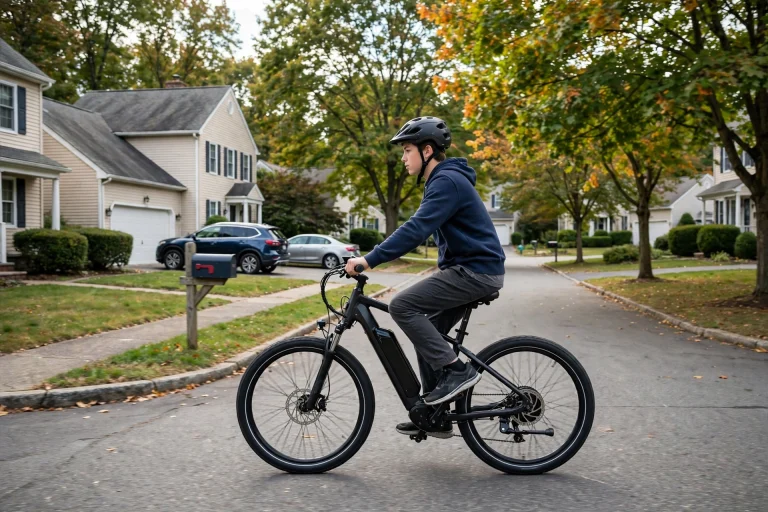
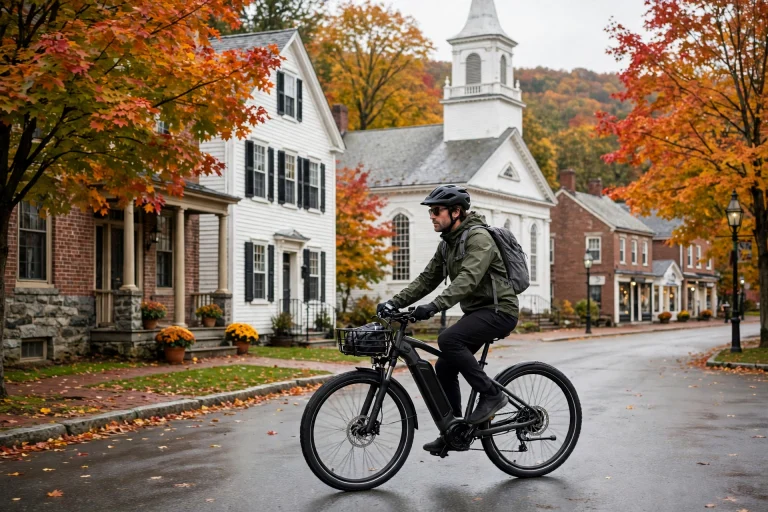
What About Electric-Assisted Bicycles and Motorized Scooters?
Washington treats these differently. RCW 46.37.530 says people operating electric-assisted bicycles and motorized foot scooters must follow the laws and regulations that apply to bicycle helmets.
So I would not lump every small motorized vehicle into the motorcycle rules.
| Vehicle type | Relevant helmet rule |
|---|---|
| Motorcycle | Motorcycle helmet law |
| Moped | Motorcycle helmet law |
| Motor-driven cycle | Motorcycle helmet law |
| Electric-assisted bicycle | Bicycle helmet rules |
| Motorized foot scooter | Bicycle helmet rules |
That distinction can save a lot of confusion when researching Washington helmet requirements.
Common Mistakes Riders Make With Washington Helmet Laws
The law itself is not hard to understand. The mistakes usually happen when riders mix up different vehicle types or assume a helmet that looks protective must be legal.
Mistake: Wearing a Novelty Helmet
A novelty helmet may look like motorcycle gear, but Washington’s Department of Licensing says novelty helmets are not DOT compliant and may not be worn on public roadways when riding a two- or three-wheeled motorcycle.
Mistake: Leaving the Chin Strap Loose
The statute specifically requires the motorcycle helmet’s neck or chin strap to be fastened securely while the motorcycle, moped, or motor-driven cycle is moving.
| Common mistake | Better approach |
|---|---|
| Buying by appearance alone | Check DOT compliance |
| Leaving the strap loose | Fasten it before moving |
| Assuming adults are exempt | Follow the universal rule |
| Treating every three-wheeler as exempt | Check the vehicle’s legal design |
What Should Riders Know About Helmet Fit?
Legal compliance is only part of the picture. A helmet that technically meets the standard still needs to fit correctly.
The Washington Department of Licensing says a good helmet should fit snugly around your head without causing pain or headaches. It should not move around or lift from your head while riding.
A loose helmet is one of those problems you may not notice until the wind gets strong. Then it becomes noisy, distracting, and uncomfortable very quickly.
Why Does Helmet Fit Matter So Much?
A properly fitted helmet should not block normal vision or make it hard to hear useful road sounds. The DOL also recommends looking at different helmet shapes because manufacturers design helmets for different head shapes.
For daily riding, I would rather spend extra time getting the fit right than buy a helmet quickly and discover ten miles later that it is pressing in the wrong place.
What Gear Does Washington Recommend Beyond a Helmet?
Washington’s motorcycle manual says the minimum legal protective gear includes a DOT-approved helmet and eye protection, when required. But the DOL strongly encourages riders to use more protection for the rest of the body too.
That includes motorcycle jackets, protective pants, gloves, and sturdy footwear. The manual notes that ordinary denim does not offer significant abrasion protection compared with purpose-made motorcycle gear.
| Gear | Practical reason |
|---|---|
| Helmet | Protects the head |
| Eye protection | Helps shield eyes from debris |
| Motorcycle jacket | Helps reduce abrasion injury |
| Protective pants | Adds leg protection |
| Sturdy footwear | Helps protect feet and ankles |
I would treat the legal minimum as a starting point, not the finish line.
Final Thoughts on Washington Motorcycle Helmet Laws
The main takeaway from Washington motorcycle helmet laws is simple: Washington requires motorcycle operators and passengers to wear compliant helmets on state highways, county roads, and city streets. The helmet must meet the required DOT standard, and the chin or neck strap must be secured while riding.
The other rule I would keep in mind is eye protection. Unless the motorcycle has a windshield, Washington requires the rider to use appropriate eye protection. Once those basics are covered, focus on fit, visibility, and gear that makes sense for the weather and road conditions.
Frequently Asked Questions About Washington Motorcycle Helmet Laws
Are motorcycle helmets required in Washington?
Yes. Washington requires motorcycle operators and passengers to wear a compliant helmet on state highways, county roads, and city streets. The chin strap must be secured while riding.
Can adults ride motorcycles without helmets in Washington?
No. Washington has no general adult exemption from its motorcycle helmet law. Riders of covered motorcycles must wear a compliant helmet on public roads.
Do motorcycle passengers need helmets in Washington?
Yes. Washington law covers anyone who operates or rides upon a motorcycle, so passengers must wear a compliant motorcycle helmet too.
Does Washington require motorcycle eye protection?
Yes, unless the motorcycle has a windshield. Riders can use glasses, goggles, or a suitable face shield that meets Washington requirements.
Are novelty motorcycle helmets legal in Washington?
No. Washington’s Department of Licensing says novelty helmets are not DOT compliant and may not be used on public roads while riding a motorcycle.

Olivia
Writer at Helmet Today, covering helmet reviews, fit and riding safety.