Helmet Visor Care in Extreme Cold Explained
Helmet visor care in extreme cold means keeping the visor clean, dry, and free of ice, handling it gently when it is frozen, and using an anti-fog insert or coating if your helmet supports…
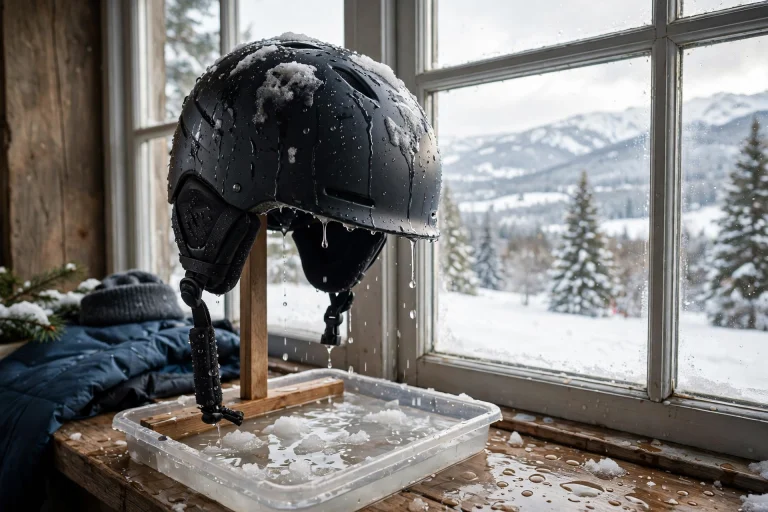

To dry a helmet after riding in wet snow, take it indoors straight away, remove the padding if you can, and let…
Helmet care in coastal salt air means rinsing the helmet with fresh water regularly, drying it fully, and storing it indoors away…
In general terms, freezing weather does not change a good helmet shell in a way you would notice on a single cold…
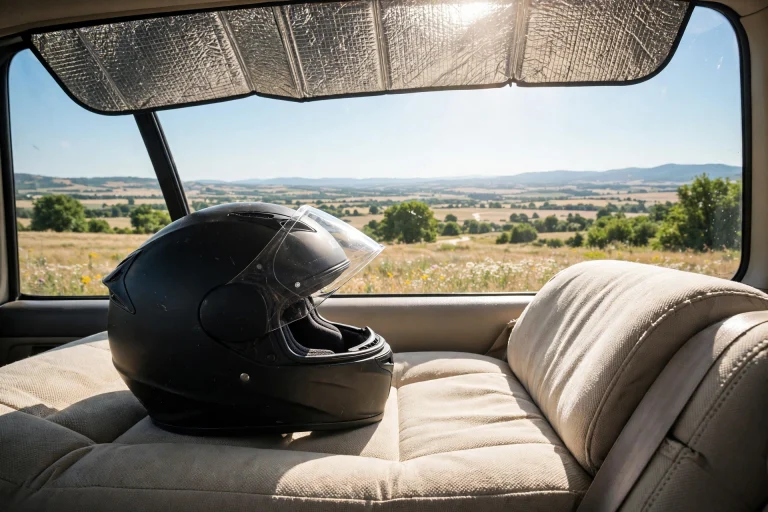
In general terms, you should not store a helmet in a car in summer heat for long — a parked car can…
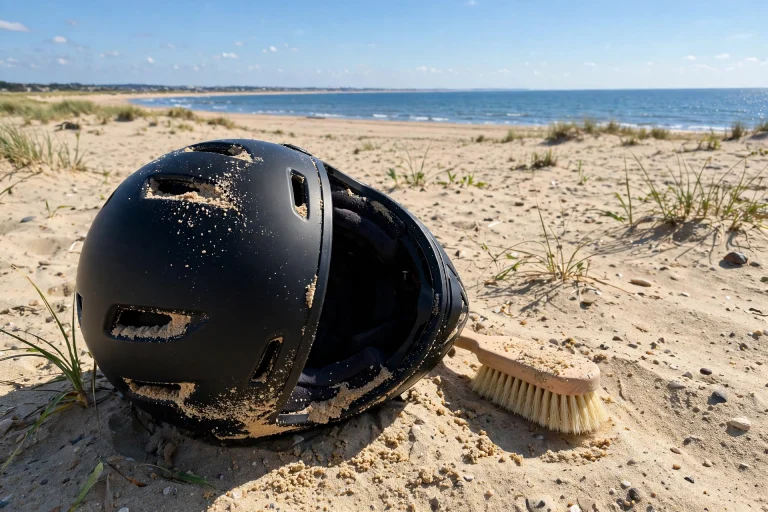
To remove sand from helmet vents after beach riding, shake the helmet upside down first, then brush the vents gently with a…
After saltwater exposure, rinse your helmet with fresh water as soon as you can, wash it gently with mild soap, and let…
Yes, you can stop mould growing in helmet padding in a humid climate — the key is to dry the padding fully…
In general terms, full face helmet ventilation in summer works through a system of intake vents at the front and exhaust vents…
In general terms, a cold-weather helmet liner is a thin, insulating layer that fits inside a helmet to keep the head warm…