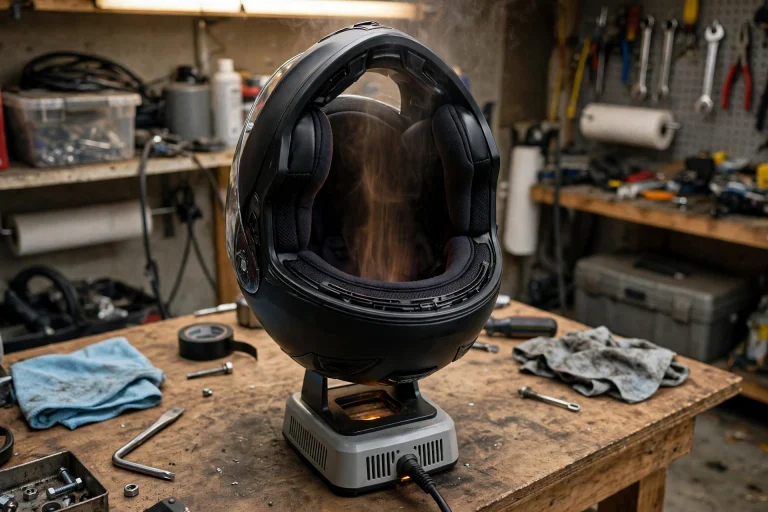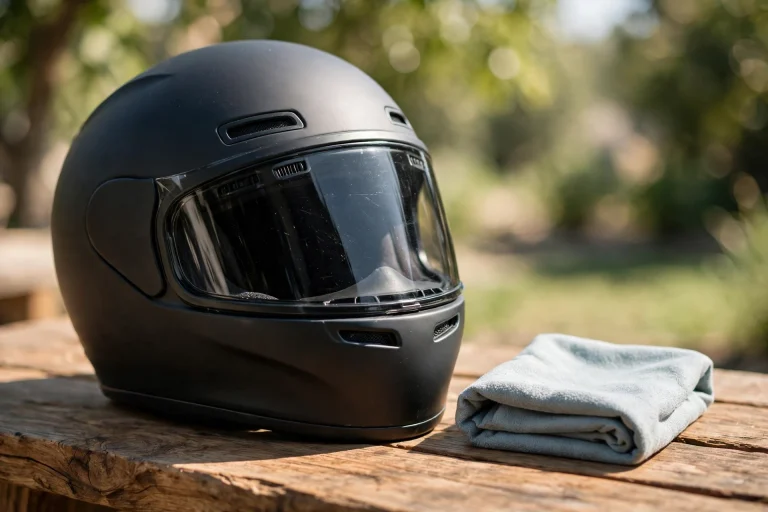
Helmet ear plugs for wind noise are small, soft plugs worn inside the ears under a helmet to reduce the loud rushing sound of wind at speed, while still letting you hear traffic, horns, and your engine. Wind noise on a motorcycle can be loud enough to tire you out and, over time, to damage your hearing. Ear plugs cut that noise to a safer, more comfortable level without shutting out the sounds you need to ride safely. They are cheap, simple, and one of the best comfort upgrades a rider can make.
Why Is Wind Noise a Problem for Riders?
Wind noise is a problem because it builds up fast with speed and stays loud for the whole ride. At motorway speeds, the air rushing past your helmet can be very loud, and hours of it can leave your ears ringing or feeling dull afterwards. Over many rides, that repeated exposure can damage your hearing, even if each ride on its own feels fine. Tiredness is another cost: constant noise wears you out and makes it harder to concentrate.
Wind noise comes from air moving around the helmet, especially near the bottom edge, the visor seal, and the vents. A quieter helmet helps, but no helmet removes wind noise completely, because some air always moves around the shell. In general terms, wind noise is not just an annoyance: it is a real strain on your ears and your attention, and it is worth dealing with on any regular ride.
How Do Helmet Ear Plugs Work?
Helmet ear plugs work by blocking or filtering the sound that reaches your ears. Foam plugs expand in the ear canal and cut a broad range of sound, while filtered plugs use a small filter to cut wind noise more than speech and traffic sounds. Both types sit deep enough in the ear to fit under a helmet without pressing or falling out when you put the helmet on or take it off.
Good riding ear plugs are designed to lower the volume, not to silence the world. You should still hear a horn, a siren, or a car pulling alongside you, just at a lower, safer level. In general terms, the aim is to take the edge off the wind roar while keeping the useful sounds clear. That is what makes riding plugs different from the plugs you might wear for sleeping or swimming.
What Types of Ear Plugs Are Best for Riding?
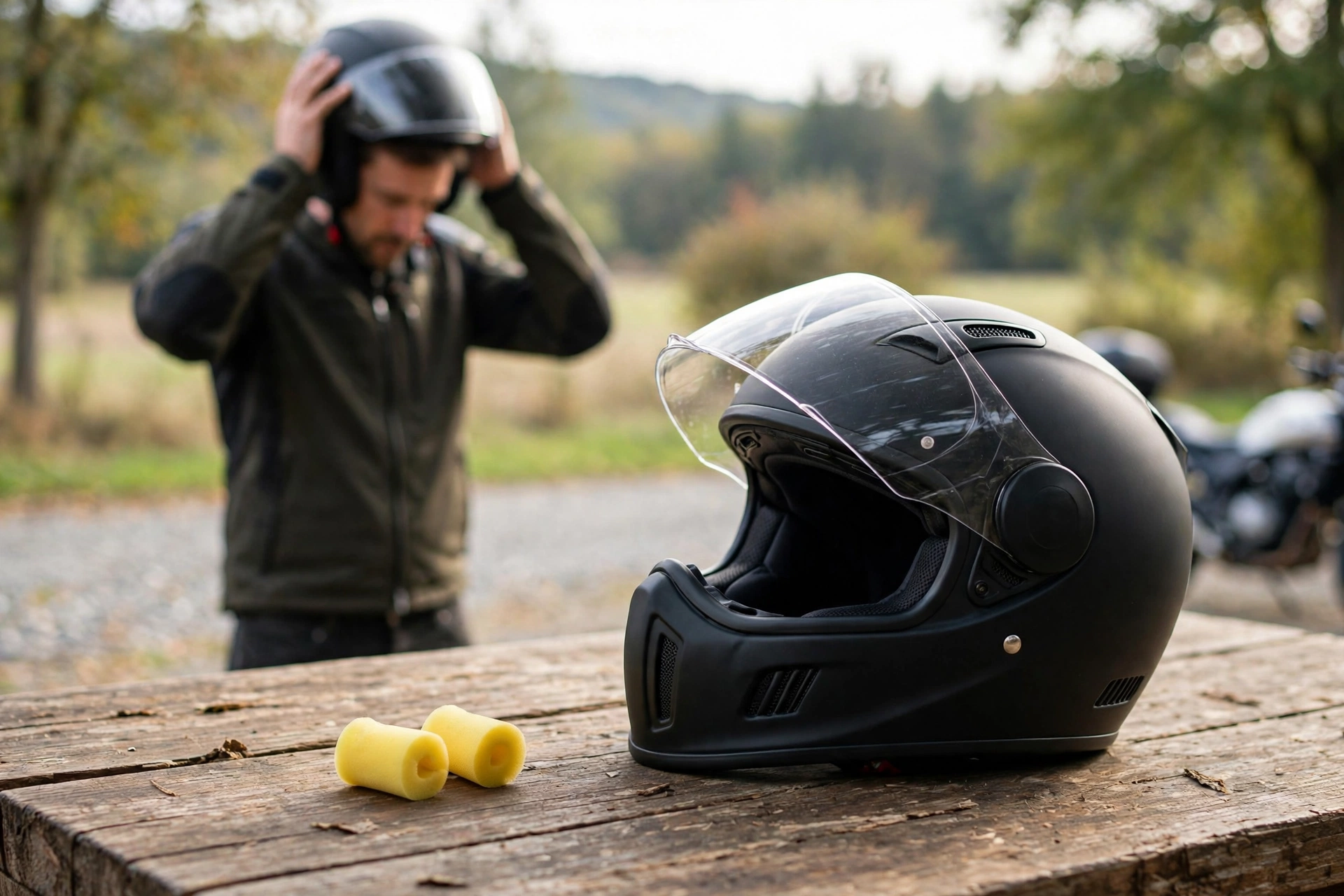
The two main types are disposable foam plugs and reusable filtered plugs. Foam plugs are cheap, soft, and easy to carry, and you roll them small, slide them in, and let them expand. They cut a lot of noise, but they can also muffle speech and traffic sounds more than filtered plugs do. They are a good starting point if you are trying ear plugs for the first time.
Reusable filtered plugs cost more, but they last longer and are shaped to fit the ear, with a filter that lowers wind noise while letting voices and horns through more clearly. Some riders choose custom-moulded plugs made from an impression of their own ears, which fit best of all and are comfortable for long rides. In general terms, start with foam or filtered plugs, and only consider custom ones if you ride often and want the best fit.
How Do You Fit Ear Plugs Under a Helmet?
Fit ear plugs before you put your helmet on. For foam plugs, roll one between your fingers until it is thin, pull your ear gently up and out with the other hand, slide the plug in, and hold it while it expands. It should sit deep and snug, not sticking out. For filtered or reusable plugs, push them in gently until they seal, following the maker’s instructions, and check that they feel even in both ears.
Put your helmet on slowly, holding the straps out of the way so they do not catch the plugs and pull them out. If a plug feels loose or falls out, take the helmet off and refit it: a plug that is half in will not protect your hearing. In general terms, fitting takes a little practice, but after a few rides it becomes quick and natural. Always carry a spare pair in your pocket or tank bag.
Are Ear Plugs Safe and Legal to Wear While Riding?
Ear plugs are safe to wear while riding when they are made for riding, because they lower wind noise without blocking the sounds you need. They can make you more aware of traffic, not less, by cutting the roar that masks horns and engines. Some riders worry that plugs will make them deaf to danger, but in practice a good pair makes important sounds clearer by removing the background noise.
Rules about ear plugs vary by place, so check the law where you ride before you use them. In general terms, most places allow ear plugs that reduce noise without blocking hearing completely, but some have rules about wearing anything in the ears while riding. If you are unsure, check the rules or ask a local riders’ group. To understand more about how modern helmets protect your head, it helps to read about what MIPS is for helmets.
How Do You Clean and Care for Ear Plugs?
Clean reusable ear plugs after each ride with mild soap and warm water, then let them dry fully before storing them in their case. Dirty plugs can irritate the ear and carry germs, so do not share them with other riders. Foam plugs are meant to be used a few times at most: replace them when they no longer expand fully, feel dirty, or look worn. Custom plugs need regular cleaning too, and the maker can advise on how often to replace them.
Store plugs in a small case, not loose in a pocket, so they stay clean and do not get crushed. In general terms, ear plugs are a small item with a big effect on comfort and hearing, but only if they are clean and in good condition. A fresh pair costs very little, so replace them often and enjoy quieter, less tiring rides.
Do helmet ear plugs block out traffic sounds?
No, in general terms, riding ear plugs are designed to cut wind noise while still letting you hear horns, sirens, engines, and other traffic sounds, just at a lower volume.
Are foam ear plugs good enough for riding?
Yes, foam plugs are a good starting point and cut a lot of wind noise, though filtered or custom plugs let speech and traffic sounds through more clearly.
Can ear plugs damage my hearing?
No. Ear plugs protect your hearing by lowering wind noise, as long as they are clean, fitted correctly, and replaced when they wear out.

Olivia
Writer at Helmet Today, covering helmet reviews, fit and riding safety.