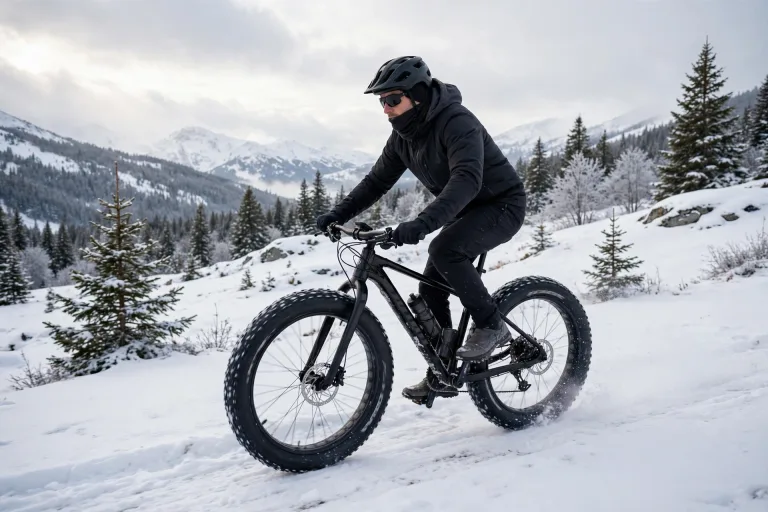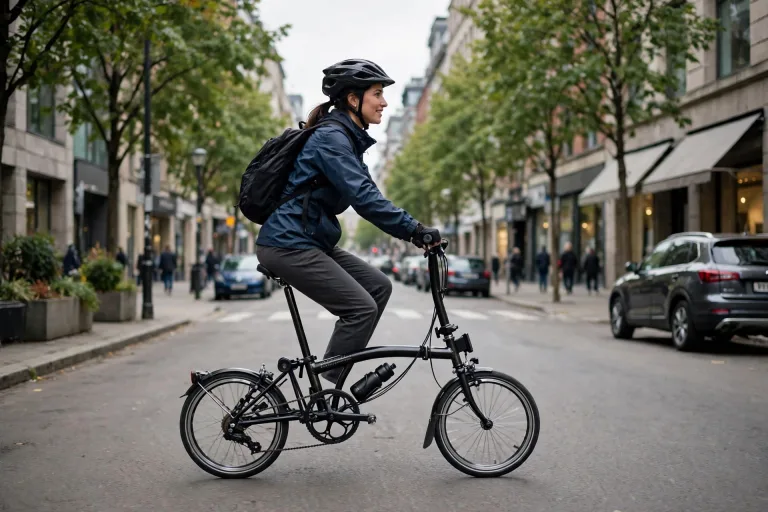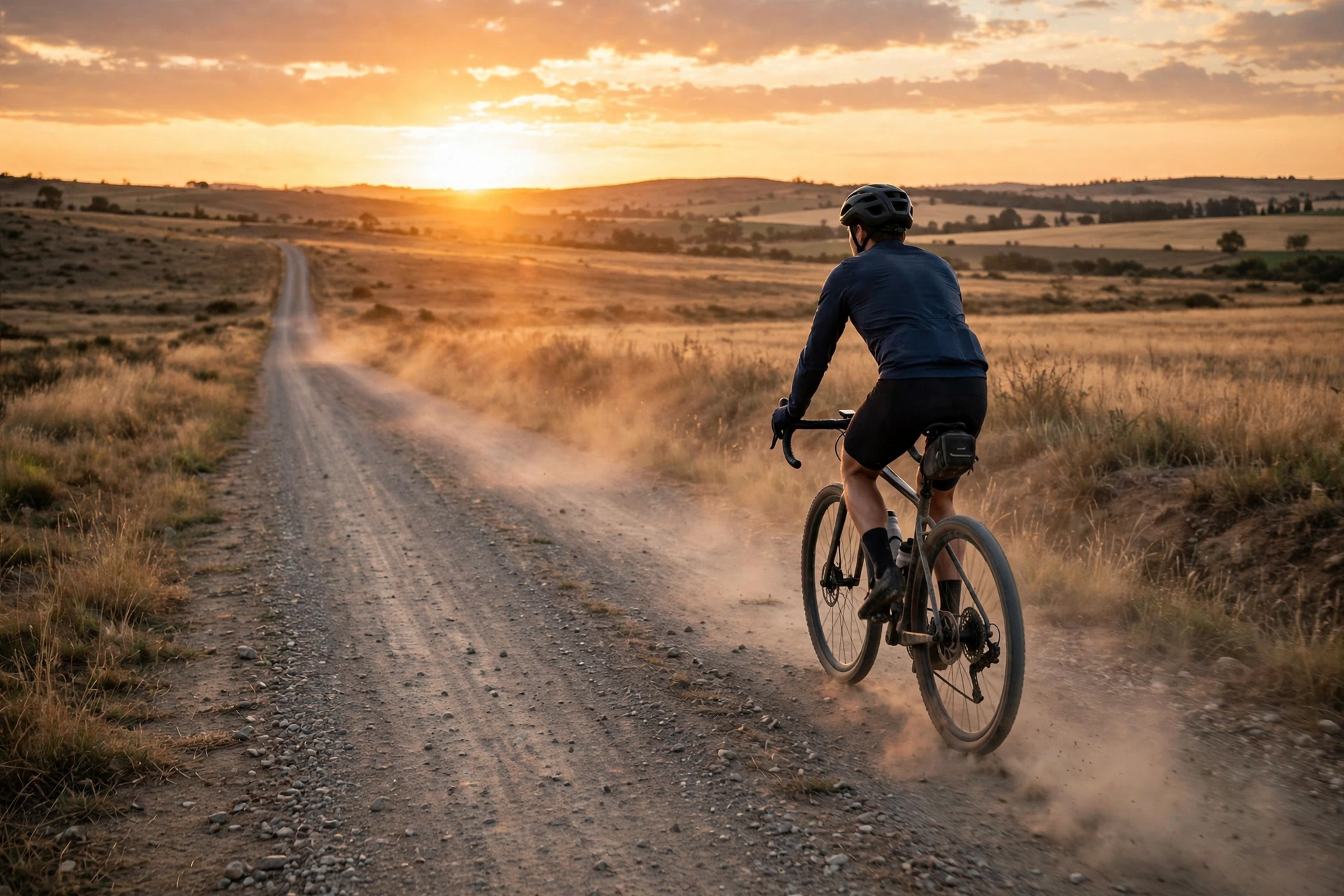
A helmet for gravel riders is a lightweight bike helmet with extra coverage, good ventilation, and a secure fit, made for riding on loose gravel roads, forest tracks, and mixed surfaces. In general terms, it is much like a road bike helmet, but it is built for the rougher, dustier, and less predictable conditions of gravel riding, where falls can happen on hard, uneven ground far from help. A good gravel helmet protects your head while staying comfortable on long rides.
Gravel riding sits between road cycling and mountain biking. The roads are often unpaved, with loose stones, ruts, sand, and mud, and the pace can be fast on open stretches. A rider can be a long way from a town or a car, so comfort and protection both matter. The helmet you choose for gravel should therefore handle heat, dust, and long hours in the saddle, while still giving solid protection if you come off the bike.
What makes a gravel helmet different from a road helmet?
A gravel helmet looks very similar to a road helmet, and in general terms the two overlap a great deal. The main differences are small but useful: gravel helmets often have slightly more coverage at the back and sides of the head, a shape that suits a more upright riding position, and vents placed to work well at lower speeds on rough ground. Some also have mounts for a light or a small camera, which can be handy on remote routes.
Many gravel riders simply use a good road helmet, and that is a reasonable choice. What matters most is the fit, the coverage, and the ventilation, not the label on the box. A helmet that fits well and stays put on bumpy ground will protect you better than a gravel-specific model that wobbles or pinches. Try the helmet on with the riding position you use most, and check that it does not slide forward or back when you shake your head.
How should a helmet for gravel riders fit?
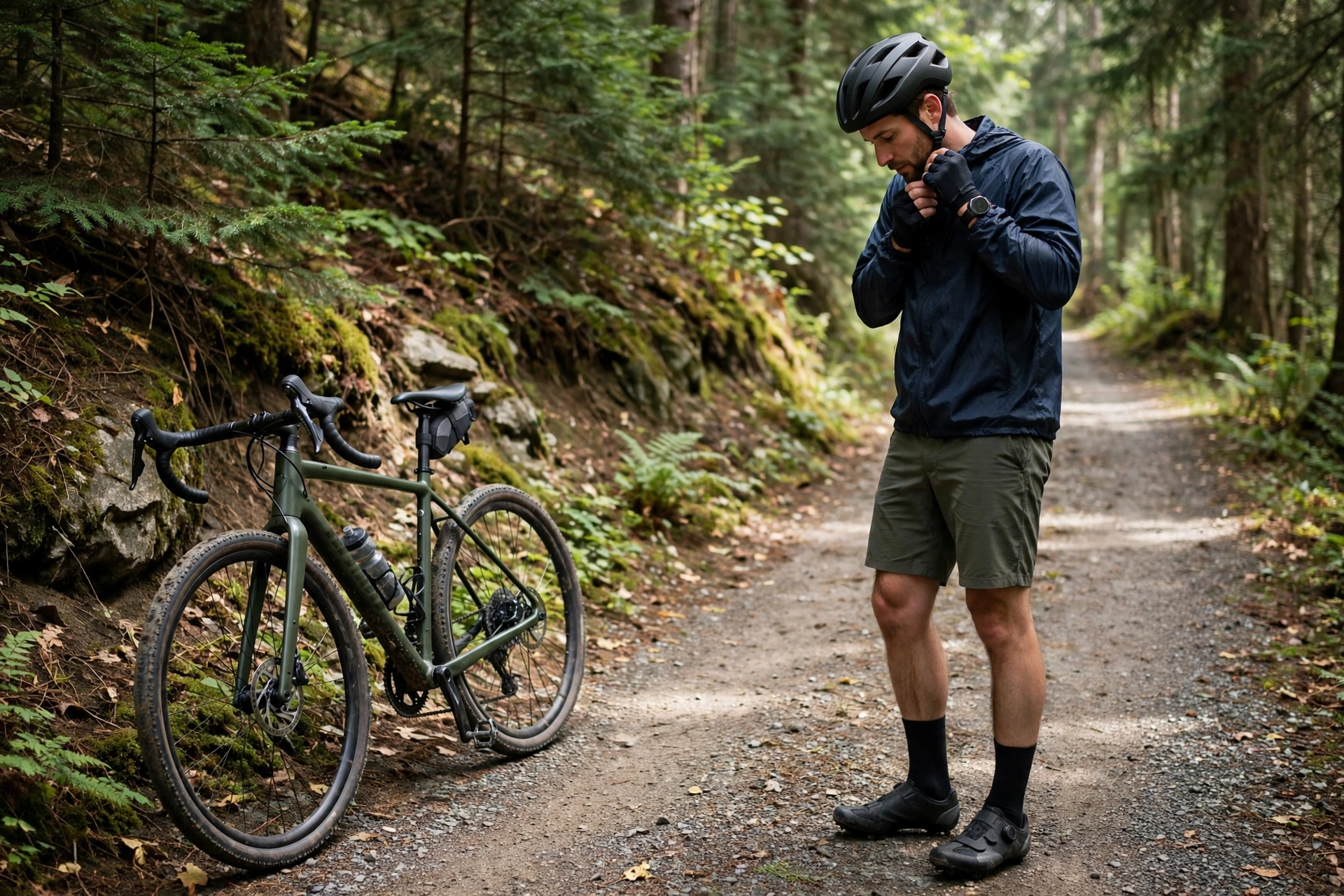
A gravel helmet should sit level on your head, low on your forehead, with the front edge about two fingers above your eyebrows. The straps should form a neat shape around your ears, and the chin strap should be snug enough that the helmet does not move when you nod or shake your head. In general terms, a helmet that is too loose is almost as unhelpful as no helmet at all, because it can shift out of place before an impact.
Fit is especially important on gravel because the ground is uneven and the ride is often long. A helmet that presses in one spot will become painful after a few hours, and a rider who keeps adjusting a loose helmet is a rider who is not watching the road. Most modern helmets have a dial at the back that lets you tighten or loosen the fit, and it is worth adjusting this with your riding gloves on, since that is how you will use it on the trail.
Do gravel riders need extra coverage?
Extra coverage is one of the main reasons to choose a gravel helmet over a very light road helmet. Gravel falls often happen at lower speeds than road crashes, but the ground is harder and more uneven, with stones and ruts that can catch a rider out. A helmet that covers more of the back and sides of the head gives a little more protection in those kinds of falls, and that is why many gravel helmets extend a bit lower than a pure road design.
That said, coverage is a trade-off with weight and ventilation. A helmet with much more coverage can feel hot on a long climb in summer, and gravel rides are often long. In general terms, the best choice is a helmet with moderate extra coverage and plenty of vents, so that it stays comfortable on a hot day while still covering the parts of the head most likely to hit the ground in a low-speed fall.
What about ventilation and dust on gravel rides?
Ventilation matters a great deal on gravel rides, which are often long, slow, and exposed to the sun. A helmet with large, well-placed vents lets air flow over your head and carries sweat away, which keeps you cooler and more comfortable. Look for vents at the front that channel air through to the back, and check that the padding inside is easy to remove and wash, since gravel dust gets everywhere.
Dust is part of gravel riding, and it can clog vents and pads over time. After a dusty ride, it is worth brushing the dust out of the vents and rinsing the pads so that the helmet stays fresh and the vents keep working. A helmet with a little extra coverage at the front can also help to keep dust and small stones out of your eyes, especially when you are riding behind another rider on a dry, dusty road.
How do you choose the right gravel helmet?
Choosing a gravel helmet starts with fit, then moves on to coverage, ventilation, and weight. Try on several models, and pick the one that feels comfortable and stays in place when you move your head. Check that it meets a recognised safety standard for cycling, and look for a retention system that you can adjust easily. Some helmets also include a system designed to reduce rotational forces in a fall, such as MIPS, which is worth considering if it fits within your budget.
Think about the kind of riding you do most. If your routes are mostly smooth gravel and fire roads, a light, well-vented helmet is a good pick. If you ride rougher tracks with ruts and steep drops, a helmet with more coverage may suit you better. In general terms, there is no single best gravel helmet for everyone, and the right one is the one that fits you well, suits your routes, and is comfortable enough that you wear it on every ride.
Can I use a road helmet for gravel riding?
Yes, in general terms a well-fitting road helmet works fine for gravel riding, especially on smoother gravel roads. A gravel-specific helmet mainly adds a little more coverage and features suited to rougher, dustier conditions.
Do gravel helmets have visors?
Some do, and some do not. A small visor can help to shade your eyes from sun and keep out dust and light rain, but it can also catch the wind on fast road sections, so it is a matter of personal preference.
How often should I replace a gravel helmet?
In general terms, replace it after any crash in which your head hits the ground, and consider replacing it after several years of regular use, since sweat, sun, and knocks can wear down the materials over time.

Olivia
Writer at Helmet Today, covering helmet reviews, fit and riding safety.