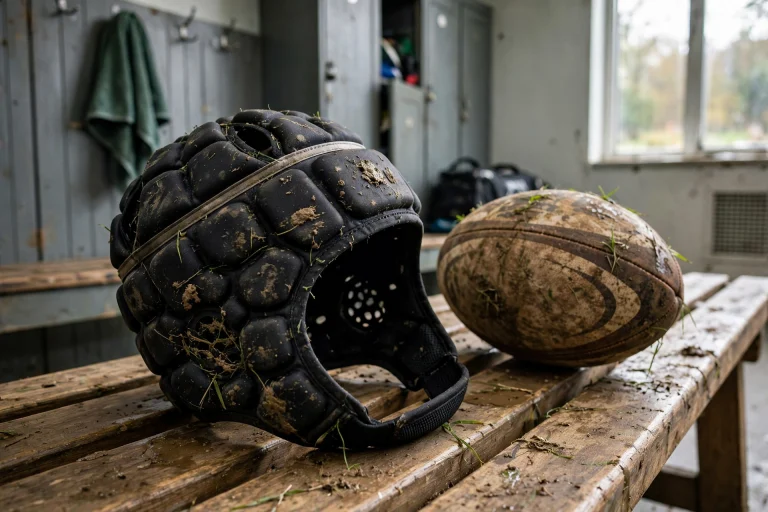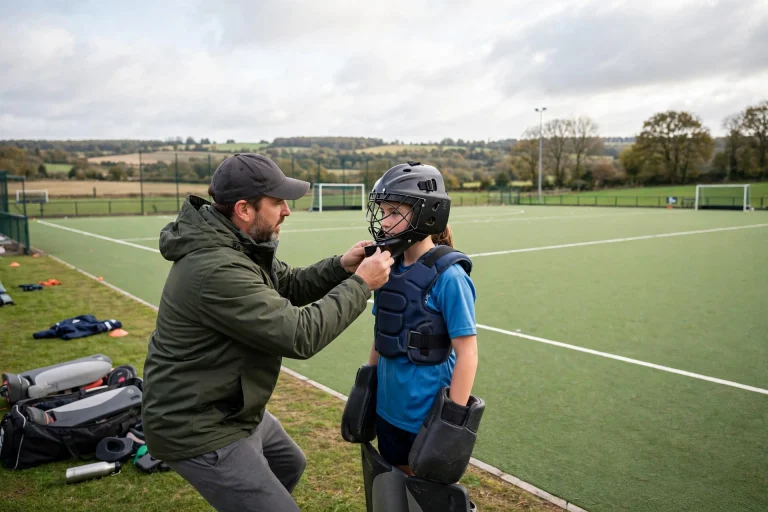
Rugby players do not need headgear, and in general terms, it is optional at every level of the game. Most professional players do not wear it, and the laws of rugby do not require it. Some players choose to wear it for ear protection, comfort, or confidence, but it is a personal choice, not a requirement.
That answer surprises many people, especially parents of young players and newcomers to the sport. If rugby is a contact sport, why is headgear not compulsory? The answer lies in what headgear actually does, what it does not do, and how rugby approaches player safety. This guide explains who wears headgear, why they wear it, and whether it might be right for you or your child.
What Does Rugby Headgear Actually Protect Against?
Rugby headgear, often called a scrum cap, is made from soft foam padding covered in fabric. It is designed to reduce minor injuries: cuts, grazes, bruises, and damage to the ears. In scrums and rucks, where heads and bodies are packed tightly together, ears are easily caught and folded, and the padded ear covers help prevent that kind of injury.
What headgear is not designed to do is prevent concussion or protect against serious head injury. The foam is too thin and too soft to absorb the force of a hard, high-speed impact, and governing bodies and medical experts are clear about this. A player wearing headgear is not protected against concussion in the way a cyclist wearing a helmet is protected against a fall.
Why Do Some Rugby Players Choose to Wear Headgear?
Ear protection is the most common reason. Players in the front row, in particular, put their ears through a lot of pressure in scrums, and repeated ear injuries can lead to a condition where the ear becomes permanently swollen and misshapen. Headgear with good ear padding can reduce that risk and make scrummaging more comfortable.
Confidence is another reason. Some players, especially younger ones or those returning from an injury, feel more comfortable wearing headgear. That confidence can help them tackle properly and commit to contact, rather than holding back or flinching. If headgear helps a player train and play with confidence, that is a valid reason to wear it, even if the physical protection is modest.
Some players wear headgear because they have had cuts or grazes before and want to avoid them happening again. A head cut can be painful, it can bleed a lot, and it can mean time off the pitch while it heals. Headgear will not prevent every cut, but it can reduce the number of minor head wounds a player picks up over a season.

Why Do Most Rugby Players Not Wear Headgear?
Most rugby players do not wear headgear, and that is normal. At professional level, only a small minority wear it, and at amateur and youth level the picture is similar. There are several reasons for this, and none of them is that headgear is frowned upon — it is simply a choice most players do not make.
One reason is comfort. Headgear can feel hot, tight, and restrictive, especially in warm weather or during a long match. It can muffle hearing, which makes communication on the pitch harder, and it can slip or need adjusting during play. For many players, the discomfort outweighs the modest protection, so they play without it.
Another reason is that most players do not feel they need it. They have played without headgear for years, they have learned to tackle safely, and they have not had ear injuries that would make headgear worthwhile. For them, headgear would be an extra layer they do not need, and they prefer to play without it.
Some players also worry that headgear could give a false sense of security, making them more willing to lead with their head or take risks they would otherwise avoid. Whether that happens in practice is debated, but the concern is one reason coaches emphasise technique over equipment. If you are interested in how protective headgear is designed to manage impact, reading about what MIPS is for helmets can give you useful background, even though rugby headgear works very differently from a hard-shell helmet.
Should Children Wear Rugby Headgear?
For children, the decision is usually made by parents together with the child’s coach and club. Headgear is optional for children in most cases, just as it is for adults, and there is no rule that requires young players to wear it. That said, many parents find it reassuring, especially when a child is new to contact rugby or has had an ear injury.
If your child wants to wear headgear, or you think it would help them, look for headgear that meets the relevant standard and fits properly. It should sit snugly over the head and ears, stay in place when they run, and not slide over their eyes. A poorly fitting scrum cap that slips during play is worse than no headgear at all, because it distracts the child and can block their vision.
Talk to your child’s coach about it. Coaches can advise on whether headgear is common in your child’s age group, whether it suits the position they play, and whether there are any club rules about it. They can also reassure you about the coaching your child receives on safe tackling, which matters far more than any piece of equipment.
How Do You Decide Whether Headgear Is Right for You?
Start by thinking about what you want it for. If ear protection is your main concern — because you play in the front row, or because you have had ear injuries before — headgear is a reasonable choice, and it is worth trying. If you want protection against concussion, headgear is not the answer, and you should focus on technique, conditioning, and following the laws of the game instead.
Try headgear before you commit to it. Borrow a club scrum cap, or try one on in a shop, and wear it for a training session. Check that it fits snugly, stays in place, and does not muffle your hearing too much. Run, tackle a pad, and change direction in it, and see whether it feels like a help or a hindrance. A training session is a better test than a few minutes in front of a mirror.
Talk to your coach. They know your position, your level, and your history, and they can give you honest advice about whether headgear would help you. They can also check your tackling technique, which is the single most important factor in staying safe on the pitch. If your technique needs work, that is where your time is best spent.
Frequently Asked Questions
Q: Is rugby headgear compulsory for professional players?
A: No. Headgear is optional at every level of rugby, including professional level, and most professional players do not wear it. The laws of the game do not require it.
Q: Will headgear stop me getting a concussion?
A: In general terms, no. Rugby headgear is designed for minor knocks and ear protection, not for preventing concussion. Safe tackling technique and following the laws are far more important.
Q: Does wearing headgear make a player more likely to tackle dangerously?
A: Some coaches worry it could give a false sense of security, but the evidence is debated. What matters most is good technique, and headgear should never be treated as a substitute for it.

Olivia
Writer at Helmet Today, covering helmet reviews, fit and riding safety.