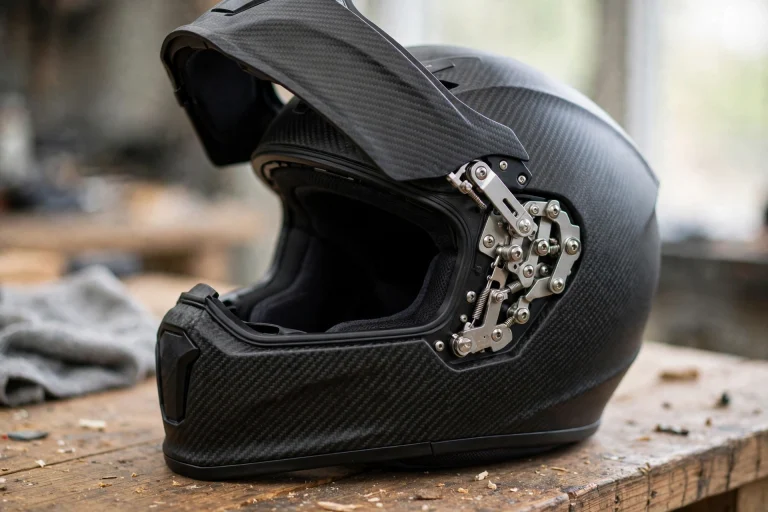
A touring motorcycle helmet can stay comfortable all day if it fits well, ventilates properly, and suits your riding position — and a few simple habits make a big difference on long days. Comfort on a long ride is not about one feature. It comes from the fit of the shell, the softness of the padding, the airflow through the vents, and how the helmet handles noise and weight over hours. Get those things right, and the helmet almost disappears. Get them wrong, and every mile feels longer.
Touring riders spend more time in the saddle than most other riders, often riding for hours at a time with only short stops. That means small discomforts add up. A pressure point that is easy to ignore for twenty minutes can become a headache after three hours, and a noisy helmet can leave you tired before the day is over. This guide covers how to choose a comfortable touring helmet and how to keep it comfortable on long days, from fit and padding to ventilation, visor care, and riding habits.
How Should a Touring Helmet Fit for Long Days?
Fit is the foundation of comfort, and it matters more than any other feature. A touring helmet should feel snug all round, without any single point pressing hard. It should sit level on your head, with the top of the visor opening roughly at your eyebrows, and it should not rock forward or backward when you shake your head gently. If it moves easily, it is too loose. If it pinches your forehead or temples, it is the wrong shape for your head.
Head shapes vary, and helmet makers shape their shells differently, so the same size can feel very different from one brand to another. Some helmets suit rounder heads, while others suit longer, narrower heads. The only reliable way to find your match is to try helmets on and wear each one for several minutes, not just a few seconds. Sit in your normal riding position if you can, because the fit changes when you lean forward or sit upright.
What Padding and Lining Features Help Most?
The lining of a touring helmet does more than cushion your head. It absorbs sweat, reduces friction, and spreads pressure evenly, so the helmet feels soft rather than hard against your skin. Look for a lining that feels smooth and plush when you try the helmet on, and check that it covers the forehead, crown, and cheeks without any seams pressing into your skin. A good lining should feel comfortable from the first minute, not something you hope to break in.
Removable, washable linings are a real advantage for touring riders. After a long, hot day, the lining will have absorbed sweat, and being able to take it out, wash it, and dry it overnight keeps the helmet fresh for the next day. Some linings are also treated to resist odours, which helps on multi-day trips when you cannot wash everything every night. If the lining is not removable, you will need to clean it in place, which is slower and less thorough.

How Can You Manage Ventilation on Long Rides?
Good ventilation keeps you cool and keeps your visor clear, and both matter on a long day. A touring helmet usually has intake vents on the chin and crown, and exhaust vents at the back. The intakes bring fresh air in, and the exhausts draw warm, moist air out. For the system to work, both need to be open and clear, so check that the vents are easy to reach and operate with gloves on before you buy.
On a long ride, adjust the vents as conditions change. Open them fully on a hot climb or in slow traffic, and close them partly when the air turns cold or when rain starts. The chin vent is especially useful, because it sends air across the inside of the visor and helps prevent fogging. If your visor fogs up often, make sure the chin vent is open and consider a fog-resistant visor insert, which can make a big difference in cold or damp weather.
How Do You Reduce Noise and Fatigue?
Noise is one of the biggest causes of fatigue on long rides, and a touring helmet is designed to keep it down. The shell shape, the neck roll, and the visor seal all work to reduce wind noise, but no helmet is silent. A chin curtain, which is a small fabric piece under the chin, can cut down the wind rushing up from below, and a well-fitting neck roll helps seal the gap between the helmet and your jacket.
Earplugs are a simple and effective way to reduce fatigue, and many experienced touring riders use them on every long ride. They cut the constant wind noise without blocking out important sounds like engines and horns, and they leave you feeling fresher at the end of the day. Learning about what MIPS is for helmets can help you compare the safety features inside different helmets. If you have never used them, try a comfortable pair designed for motorcycling, and make sure they sit well under the helmet without pressing on your ears.
What Daily Habits Keep a Touring Helmet Comfortable?
A few habits make a real difference across a long day. Take the helmet off at every stop, even a short one, and let your head and the lining breathe. Shake the helmet gently to let fresh air in, and wipe the inside of the visor if it has picked up insects or dust. These small breaks add up, and they keep the helmet feeling fresh for the next stretch of road.
Keep the visor clean, because a dirty visor forces you to strain your eyes and tilt your head to see clearly. Carry a soft cloth and a small bottle of visor cleaner, or use water and a soft cloth at a fuel stop. Avoid wiping a dry, dusty visor with a rough cloth, because that can scratch it. A clear visor means a relaxed neck and shoulders, which is a big part of comfort on a long ride.
Finally, look after the helmet between rides. Store it in a cool, dry place, out of direct sunlight, and keep it off the ground where it can be knocked over. Wash the lining regularly, check the visor mechanism and vents for dirt, and replace the helmet if it has taken a hard knock. A well-looked-after touring helmet stays comfortable for years, and it will be ready for the next long day whenever you are.
Frequently Asked Questions
Q: How tight should a touring helmet feel?
A: It should feel snug all round, without pressing hard on any one spot. It should not move easily when you shake your head, but it should not give you a headache either. If it pinches your forehead or temples, try a different shape or size.
Q: Why does my touring helmet feel hot on long rides?
A: In general terms, heat comes from poor airflow, a tall windscreen blocking the vents, or a lining that traps sweat. Open the vents, check that they are clear, try a moisture-wicking layer underneath, and take the helmet off at stops to let it air out.
Q: Should I wear earplugs with a touring helmet?
A: Many touring riders do, because earplugs cut wind noise and reduce fatigue over long days. Choose a comfortable pair made for motorcycling, and make sure they sit well under the helmet without pressing on your ears.

Olivia
Writer at Helmet Today, covering helmet reviews, fit and riding safety.