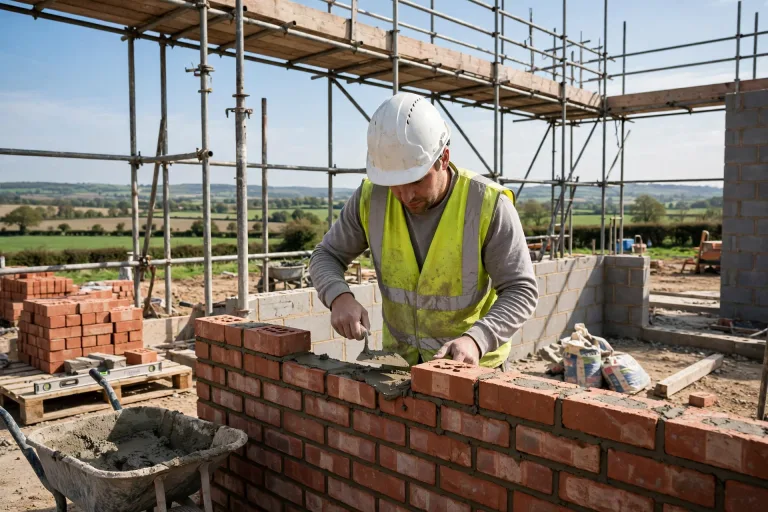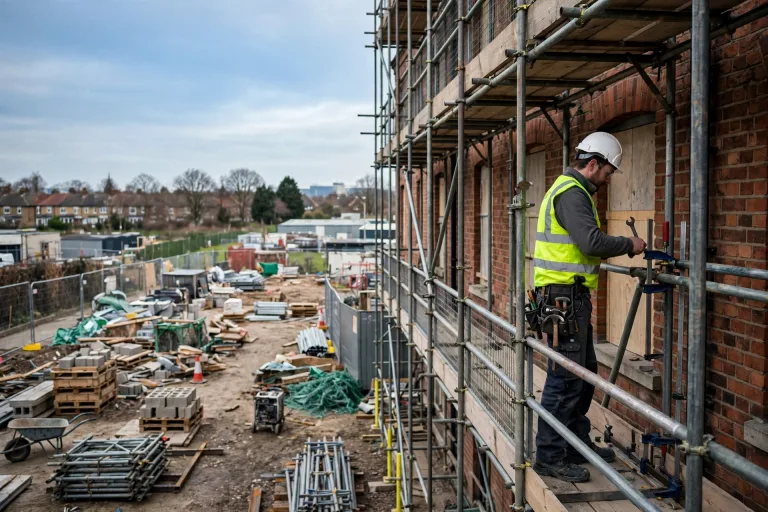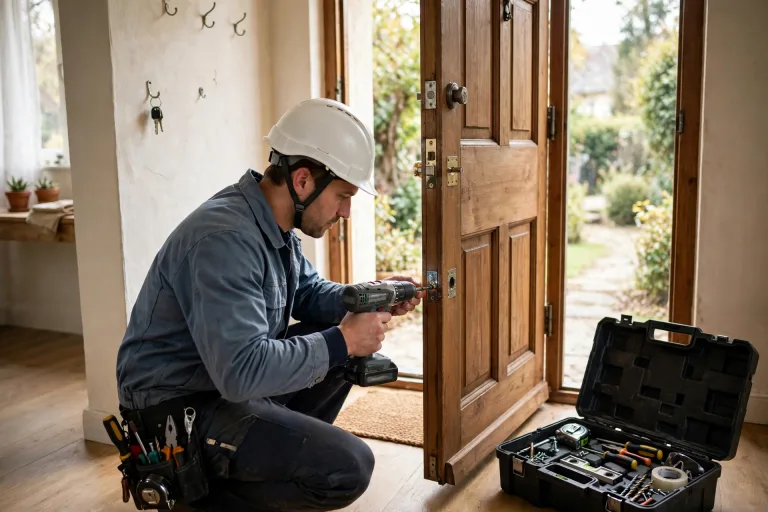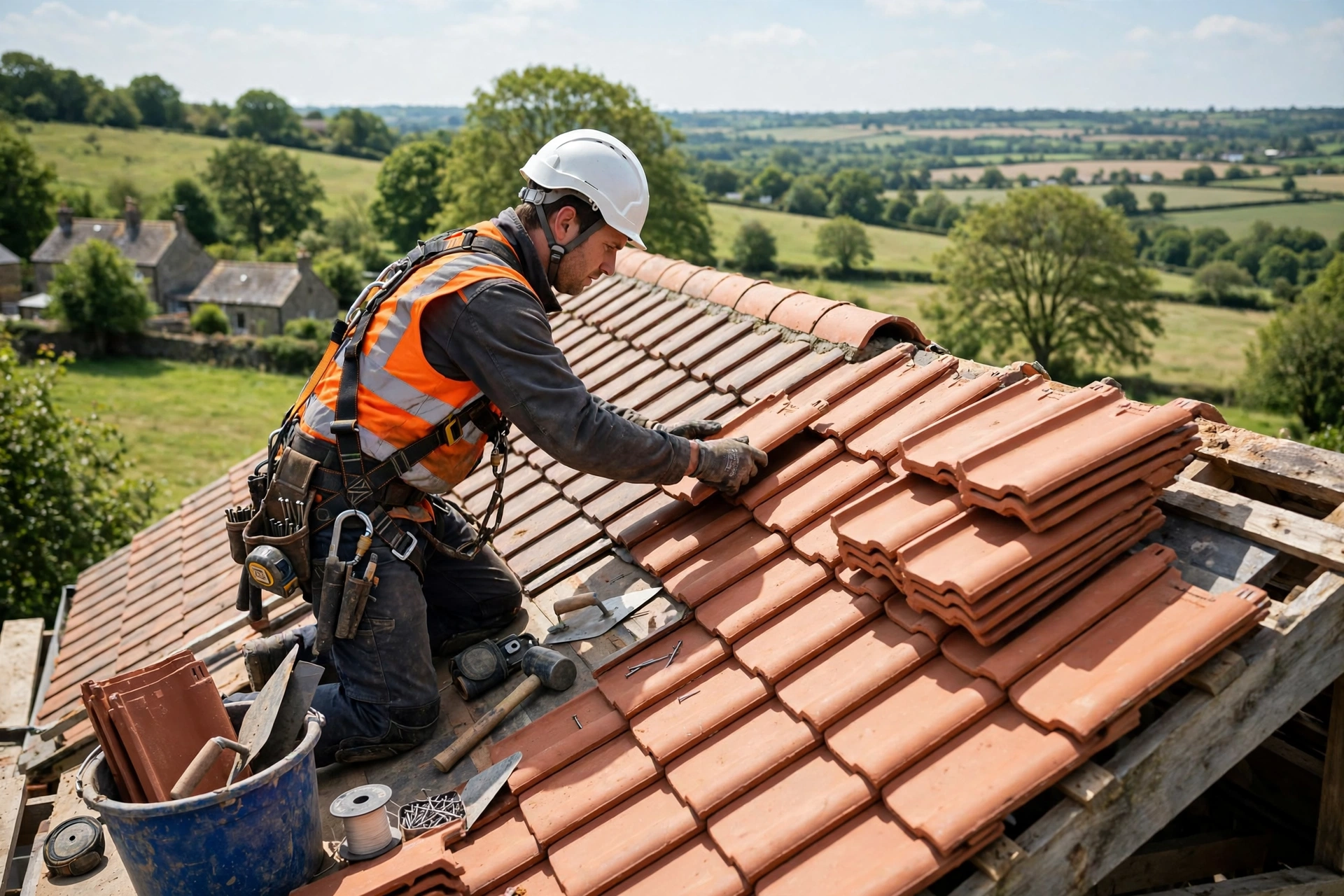
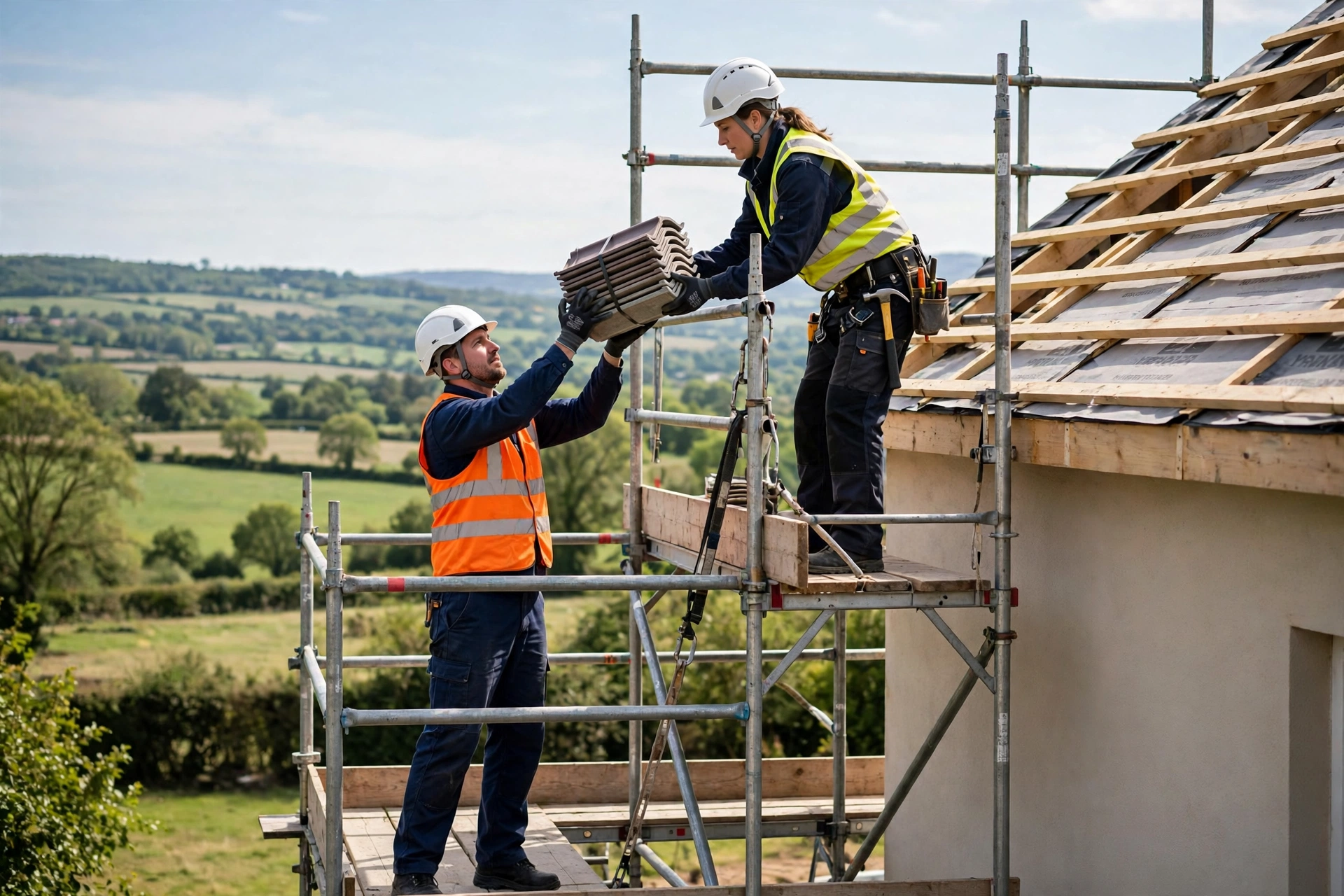
Yes, roofers do wear helmets, and in general terms a helmet is part of the standard safety kit on most professional roofing jobs. A roofer works at height with tools, materials, and other workers moving above and below, so a helmet protects the head from falling objects, knocks against roof timbers, and slips that can end in a fall.
Roofing looks straightforward from the ground, but a roof is a busy and uneven workplace. Tiles, battens, nails, and tools are all within reach, and the roofer is often crouching, kneeling, or leaning over an edge. A helmet adds a hard shell between the head and anything that falls or swings, and it can turn a serious blow into a minor bump. That is why many roofing crews now treat a helmet as basic kit, in the same way as gloves, boots, and a harness.
Do roofers have to wear helmets?
In general terms, roofers are expected to wear helmets on many job sites, especially on commercial work and on any site run by a main contractor. Site rules often make helmets compulsory, and a roofer who turns up without one may be sent home or kept off the roof. A roofer who works for a company is usually given a helmet as part of their personal protective equipment, and wearing it is part of the job.
The reason is simple: roofing puts the head at risk in more than one way. Materials can slip from a stack, a tool can be dropped from a scaffold, and a roofer can stand up suddenly into a low beam or a scaffold tube. A fall from a roof is the biggest danger of all, and while a helmet cannot stop a fall, it can protect the head if the roofer lands badly or strikes something on the way down.
What kind of helmet do roofers wear?
Roofers usually wear a hard hat style helmet made for work, similar to a construction helmet but often chosen for roofing conditions. The shell is hard and light, the inside has an adjustable harness, and many roofing helmets have a chin strap that keeps the helmet in place when the roofer bends, leans, or looks down over an edge. A chin strap matters on a roof because a helmet that slides off when the roofer looks down is no use at all. Some roofers choose a climbing style helmet, which sits close to the head and stays put, and which often has clips for a head torch.
Ventilation is also worth thinking about, because roofing is hot work in summer and a helmet can feel stuffy after a long morning in the sun. Many work helmets have vents that let air move while still giving solid protection, and a light colour helps keep the head cooler. The helmet should also work with the rest of the roofer’s kit, including safety glasses and ear protection, and it should not get in the way when the roofer is carrying boards or reaching across the roof. Trying the helmet on with glasses and gloves is a simple way to check that everything fits together.
When should a roofer wear a helmet?
A roofer should wear a helmet whenever they are on the roof, on the scaffold, or anywhere below work taking place overhead. That includes the setup at the start of the day, when materials are being lifted to the roof, and the tidy up at the end, when tools and offcuts are being passed down. Some of the worst knocks happen when the main roofing work is finished and people are moving about without thinking, so keeping the helmet on until the roofer is clear of the site is the safer habit.
The helmet is also worth wearing during inspections and small repairs, even when the job looks quick. A loose tile can slide, a nail can catch, and a short job can still end with a bump. Many roofers keep a helmet in the van so it is always at hand, and they put it on before stepping onto the ladder rather than after reaching the top. Getting into that habit means the helmet is on before the risk starts, not after it.
How should a roofing helmet fit?
A roofing helmet should fit snugly, sit level on the head, and stay in place when the roofer bends forward or looks up. The harness inside should be adjusted so that the shell sits evenly, without pressing hard in one spot, and the chin strap should be fastened whenever the roofer is working at height. A helmet that wobbles or slips forward over the eyes is a distraction on a roof, and a distraction is the last thing a roofer needs at height. The fit should be checked with the hat or liner the roofer will actually wear in cold weather, because a helmet fitted over bare hair can feel tight over a beanie.
Comfort matters as much as fit, because a helmet that hurts will be left in the van. A roofer should look for a helmet that feels light, has padding that sits well on the forehead, and does not press behind the ears. Some helmets have a dial at the back that lets the roofer adjust the fit with one hand, even while wearing gloves, and that is a useful feature on a roof. If the helmet leaves a sore spot after a short wear, it is the wrong size or the wrong shape, and trying another model is better than putting up with it. Roofers who want extra protection in a slip or a fall may also look for a helmet with a system that helps reduce rotational forces, such as MIPS, which is found in a growing number of helmets made for work and sport.
What else keeps roofers safe on a roof?
A helmet is only one part of staying safe on a roof, and it works best with the other parts of the safety system. A harness and a secure anchor stop a fall, a guardrail keeps the roofer away from the edge, and a sound scaffold gives a safe platform to work from. A roofer should check the weather before starting, because wind and rain make a roof much harder to work on safely.
Good habits count as well. A roofer should keep the work area tidy, stack materials safely, and pass tools up and down rather than throwing them. A helmet protects the head, but the roofer’s care, the right equipment, and a tidy site are what keep the whole job safe from start to finish.
Do all roofers wear helmets?
No, not all roofers wear helmets, but most professional roofing crews do, and many sites make them compulsory. A roofer working on a large or commercial site will almost always be expected to wear one.
Can a roofer use a normal construction hard hat?
Yes, in general terms a standard construction hard hat that fits well and is in good condition is often suitable for roofing. A chin strap is a useful addition, because it keeps the helmet on when the roofer leans over.
When should a roofing helmet be replaced?
A roofing helmet should be replaced after a hard knock or a fall, or when it no longer fits, shows cracks, or has been in use for a long time. When in doubt, replace it rather than keep working in it.

Olivia
Writer at Helmet Today, covering helmet reviews, fit and riding safety.