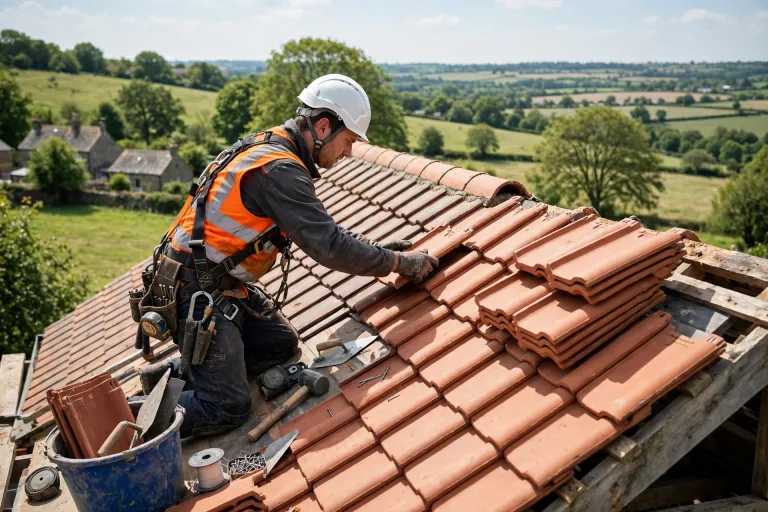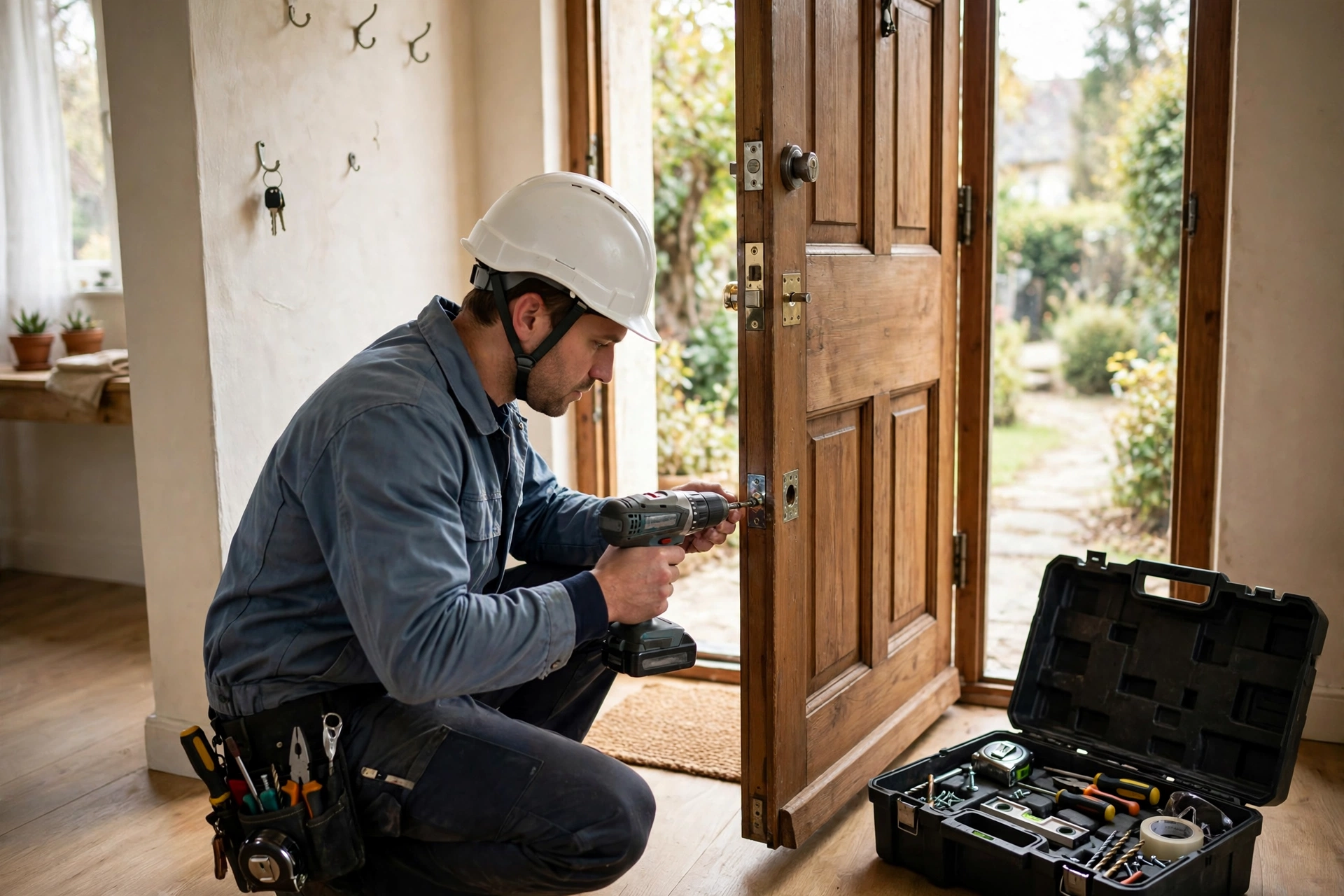
A helmet for locksmiths is, in general terms, a light work helmet worn to protect the head while fitting, repairing, or replacing locks on site. Most locksmith work is indoors and low risk, so a helmet is not always needed, but it is worth wearing when the job involves ladders, low ceilings, construction sites, or work above head height.
Locksmiths are not usually thought of as helmet wearers, and that is fair for much of the trade. A large part of the work happens at a front door, at a desk in a shop, or inside a home, where the main risks are to the hands rather than the head. The picture changes when the locksmith leaves the shop and goes on site, because building sites, warehouses, and commercial premises bring the same head risks as any other trade.
Do locksmiths need to wear a helmet?
In general terms, a locksmith needs a helmet whenever the job puts the head at risk, and that depends on where the work is done rather than on the trade itself. A locksmith called to a building site will usually have to wear one, because site rules make helmets compulsory for everyone on site, whatever their trade. A locksmith working in a finished home or office, by contrast, may not need one at all, and wearing a helmet at a customer’s front door would look out of place.
The jobs in between are where judgement matters. Fitting a lock on a warehouse door, working under a low ceiling in a basement, or changing locks in a building that is still being fitted out can all bring the head close to beams, pipes, and scaffold. In those cases a helmet is a simple and sensible precaution, and many locksmiths now carry one so they are ready for any site.
What kind of helmet is best for locksmiths?
The best helmet for locksmiths is, in general terms, a light hard hat style helmet that is easy to carry, quick to put on, and comfortable for short spells of wear. A locksmith does not need a heavy helmet built for a full day on a construction site, because the helmet may only be worn for an hour at a time. A light shell with a simple adjustable harness is usually enough, and a helmet that folds or packs flat is handy for a locksmith who works from a van and needs to keep the kit tidy.
A chin strap is worth having, because a locksmith often bends down to work on a low lock or looks up to fit a high one, and a strap keeps the helmet in place through those movements. The helmet should also work with the rest of the locksmith’s kit, including safety glasses for drilling and cutting, and a head torch for dark stairwells and cupboards. A helmet with clips for a head torch is useful, and it should not get in the way when the locksmith leans in close to a door to see a lock mechanism clearly.
When should a locksmith wear a helmet?
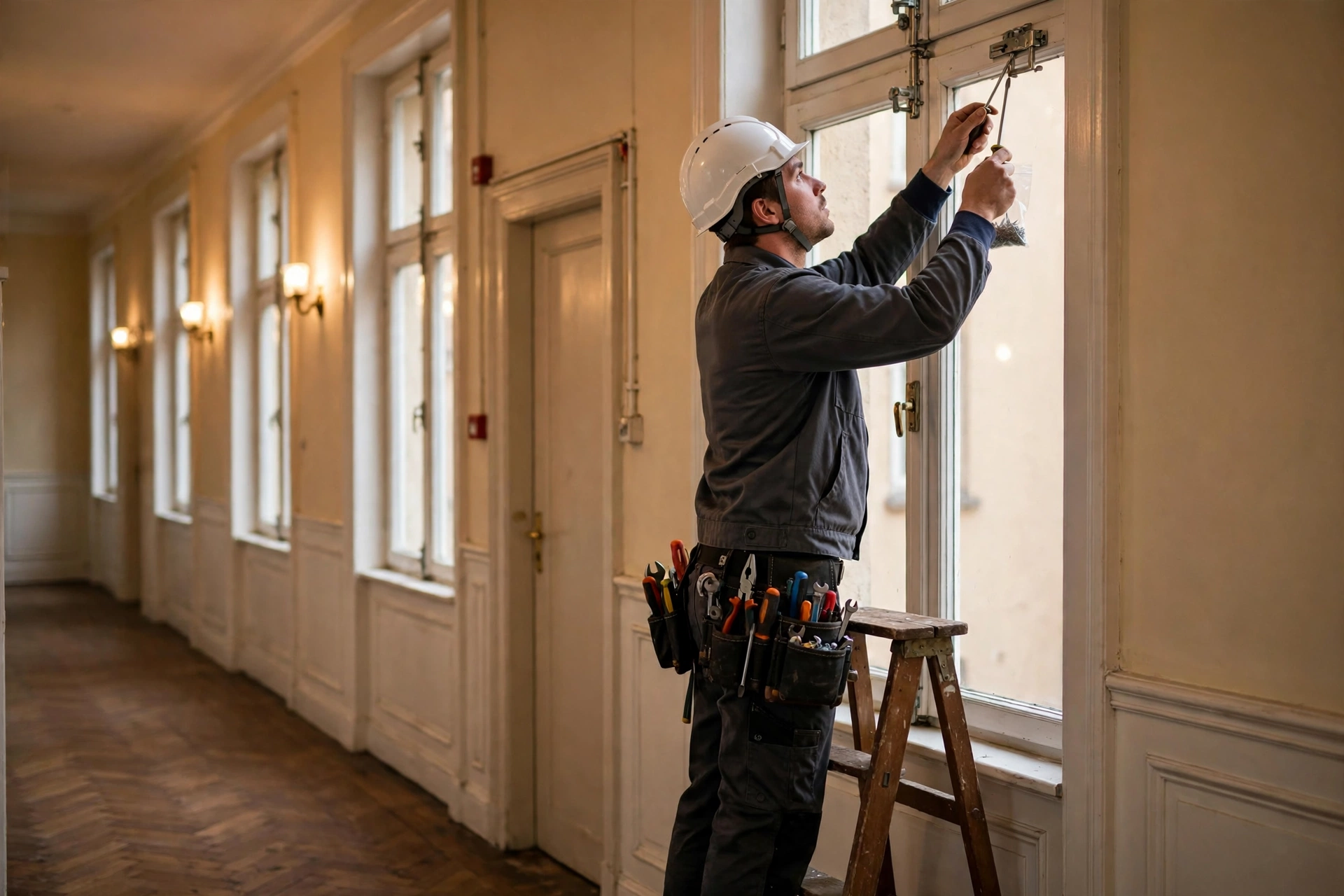
A locksmith should wear a helmet on any building site, in any warehouse or industrial unit, and wherever work is going on overhead. That includes fitting locks in a new build, changing locks in a building under repair, and working in a basement or loft where the ceiling is low and the beams are hard. The helmet should go on before the locksmith steps onto the site, not after the first knock, and it should stay on until the work is done and the locksmith is clear of the building.
There are also jobs where a helmet is worth wearing even when no site rule asks for it. Working on a ladder to reach a high lock, drilling above head height, or fitting a lock in a cramped space with hard surfaces all carry a risk of a bump to the head. A locksmith who works alone should be extra careful, because nobody is nearby to help if a knock causes a fall.
How should a locksmith’s helmet fit?
A locksmith’s helmet should fit snugly, sit level on the head, and stay in place when the locksmith bends, reaches, or looks up. The harness inside should be adjusted so that the shell sits evenly, without pressing hard in one spot, and the chin strap should be fastened whenever the locksmith is working at height or on a site. A helmet that wobbles or slips forward over the eyes is a distraction, and a distracted locksmith is more likely to make a mistake with a lock or a drill.
Comfort matters too, because a helmet that hurts will be left in the van. A locksmith should look for a helmet that feels light, has padding that sits well on the forehead, and does not press behind the ears. A dial at the back that adjusts the fit with one hand is a useful feature, and the fit should be checked with the hat or liner the locksmith will wear in cold weather. Locksmiths who want extra protection in a slip or a fall may also look for a helmet with a system that helps reduce rotational forces, such as MIPS, which is found in a growing number of helmets made for work and sport.
What else should a locksmith wear for safety?
A helmet is only one part of a locksmith’s safety kit, and it works best with the other items a locksmith uses every day. Safety glasses protect the eyes from metal filings and dust when a lock is drilled or cut, and gloves protect the hands from sharp edges on doors, frames, and lock plates. Good shoes with a strong grip matter on a site, where the floor may be dusty or wet, and a high visibility vest is worth wearing on a busy site so that other workers can see the locksmith clearly.
Good habits count as well. A locksmith should keep the work area tidy, put tools away rather than leaving them on the floor, and check that a ladder is set at a safe angle before climbing it. Drilling and cutting should be done with care, with the workpiece held steady and the hands clear of the drill bit. A helmet protects the head, but the locksmith’s care, the right kit, and a tidy working area are what keep the whole job safe from start to finish.
Do all locksmiths wear helmets?
No, not all locksmiths wear helmets, and many jobs done in a finished home or shop do not need one. A helmet is needed on building sites and wherever work is going on overhead or the locksmith is working at height.
Can a locksmith use a normal construction hard hat?
Yes, in general terms a standard construction hard hat that fits well and is in good condition is often suitable for locksmith work. A light helmet with a chin strap is a good choice, because it stays in place when the locksmith bends or looks up.
When should a locksmith replace a helmet?
A locksmith should replace a helmet after a hard knock or a fall, or when it no longer fits, shows cracks, or has been in use for a long time. When in doubt, replace it rather than keep working in it.

Olivia
Writer at Helmet Today, covering helmet reviews, fit and riding safety.