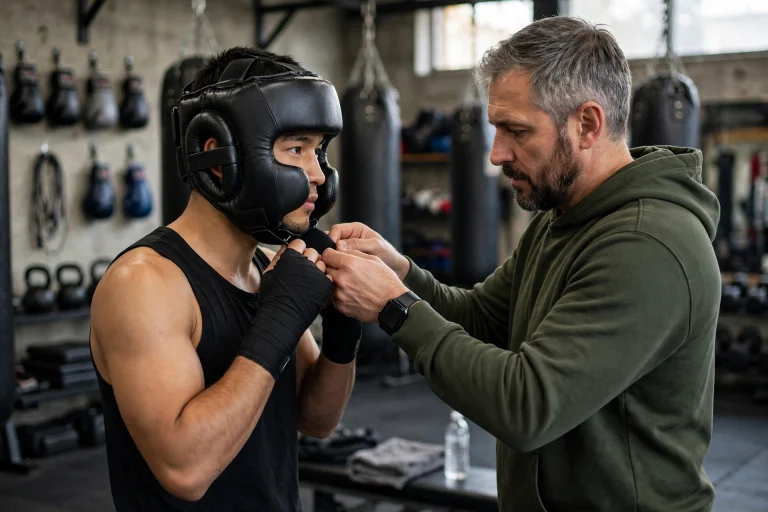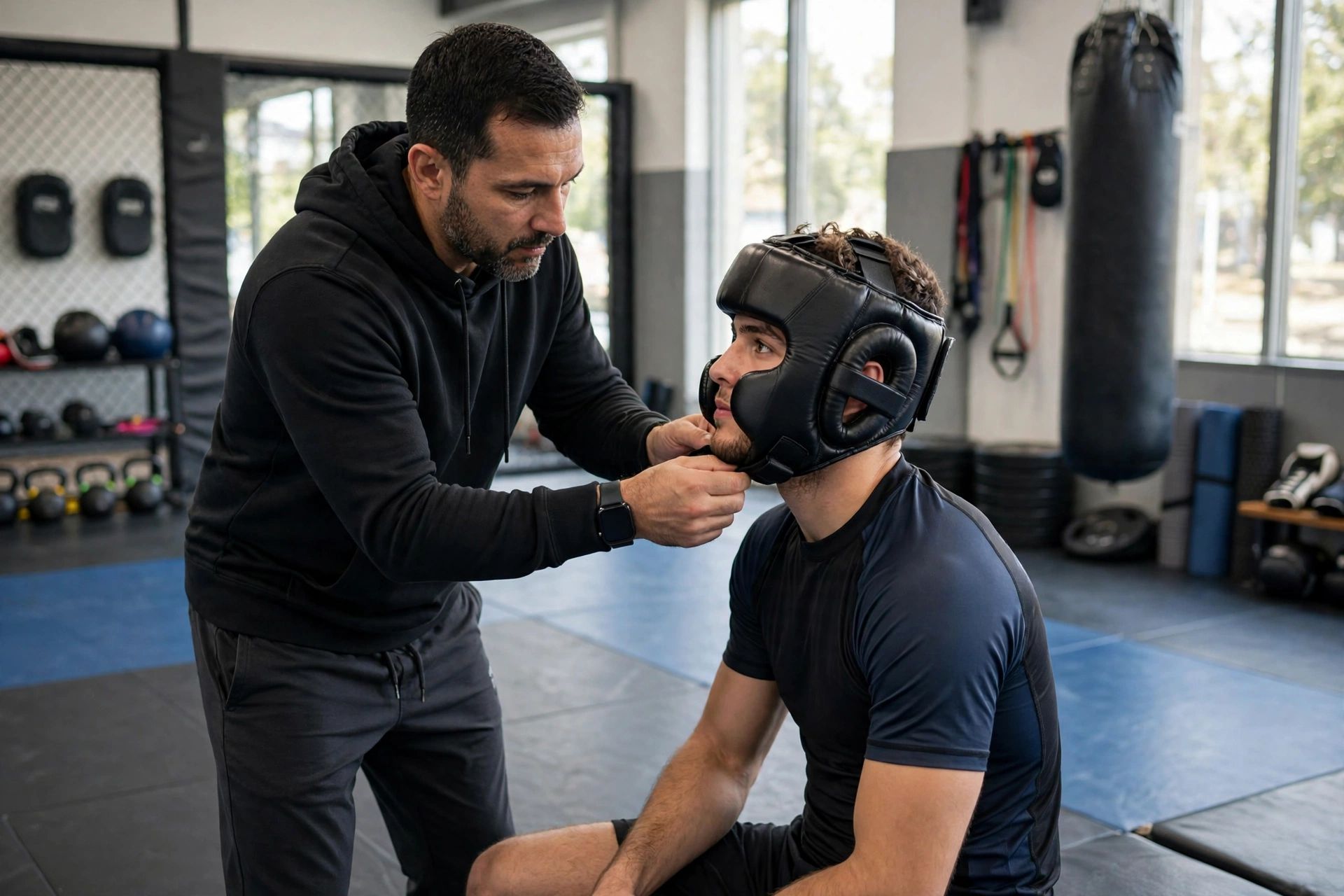
To fit MMA sparring headgear, it should sit level on your head, feel snug all around with no gaps, cover your forehead, temples, cheekbones, and ears, and stay put when you shake your head and move. In general terms, if you can fit two fingers between the headgear and your head, it is too loose; if it gives you a headache within a minute, it is too tight.
Fit is the single most important factor in sparring headgear. Padding and brand matter, but a well-padded headguard that slides around in a clinch protects you less than a simpler one that stays where it belongs. This guide walks through fitting step by step, so you can check your headgear at home before your next sparring session.
What Should Good Fit Feel Like?
Good fit feels secure without feeling squeezed. When you first put the headgear on, it should feel snug all around your head, with even pressure rather than a tight spot in one place. The padding should touch your skin everywhere it is meant to cover: forehead, temples, cheeks, and the back of your head. There should be no air gaps, because a gap is a space the padding has to close before it can absorb an impact.
The top of the headgear should sit low enough to cover your forehead down to just above your eyebrows. If it sits high on your head, your forehead is exposed and the headgear will slide more easily. If it sits so low that it presses on your eyebrows or blocks your upper vision, it is too big in the wrong direction or the wrong shape for your head. Head shapes vary, and some headgear suits round heads while other designs suit longer ones, so shape matters as much as size.
Wear it for a few minutes before deciding. Padding compresses slightly as it warms up, and a headguard that feels very tight at first may settle into a good fit. But if you feel a throbbing pressure point after a minute or two, that will only get worse in a three-minute round.
How Do You Check Coverage Before You Buy?
Coverage is what the headgear actually protects, and it is worth checking piece by piece. Start with the forehead: the padding should run across the full width of your forehead and down to your brow line. Then check the temples, where the padding should be thick, since the temple is a sensitive area. The cheek pads should reach from your cheekbones down toward your jaw, without covering your mouth.
Ear coverage is easy to miss. The ear cups should sit directly over your ears, covering them completely, and they should not press the ears flat against your head in a painful way. If the ear cups sit in front of or behind your ears, the headgear is the wrong size or shape for you. Put the headgear on, look in a mirror, and check each area in turn rather than judging it at a glance.
The back of the head matters too, especially in MMA, where takedowns and scrambles can end with a fall. The padding should wrap around the back of your head at least to the level of the top of your ears. Some designs leave the back open for ventilation, which is cooler but leaves you less protected on a hard mat.
How Tight Should the Chin Strap Be?
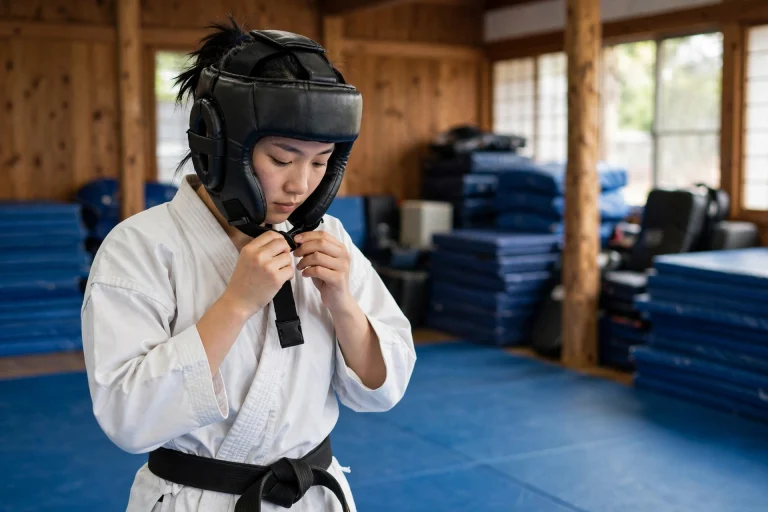
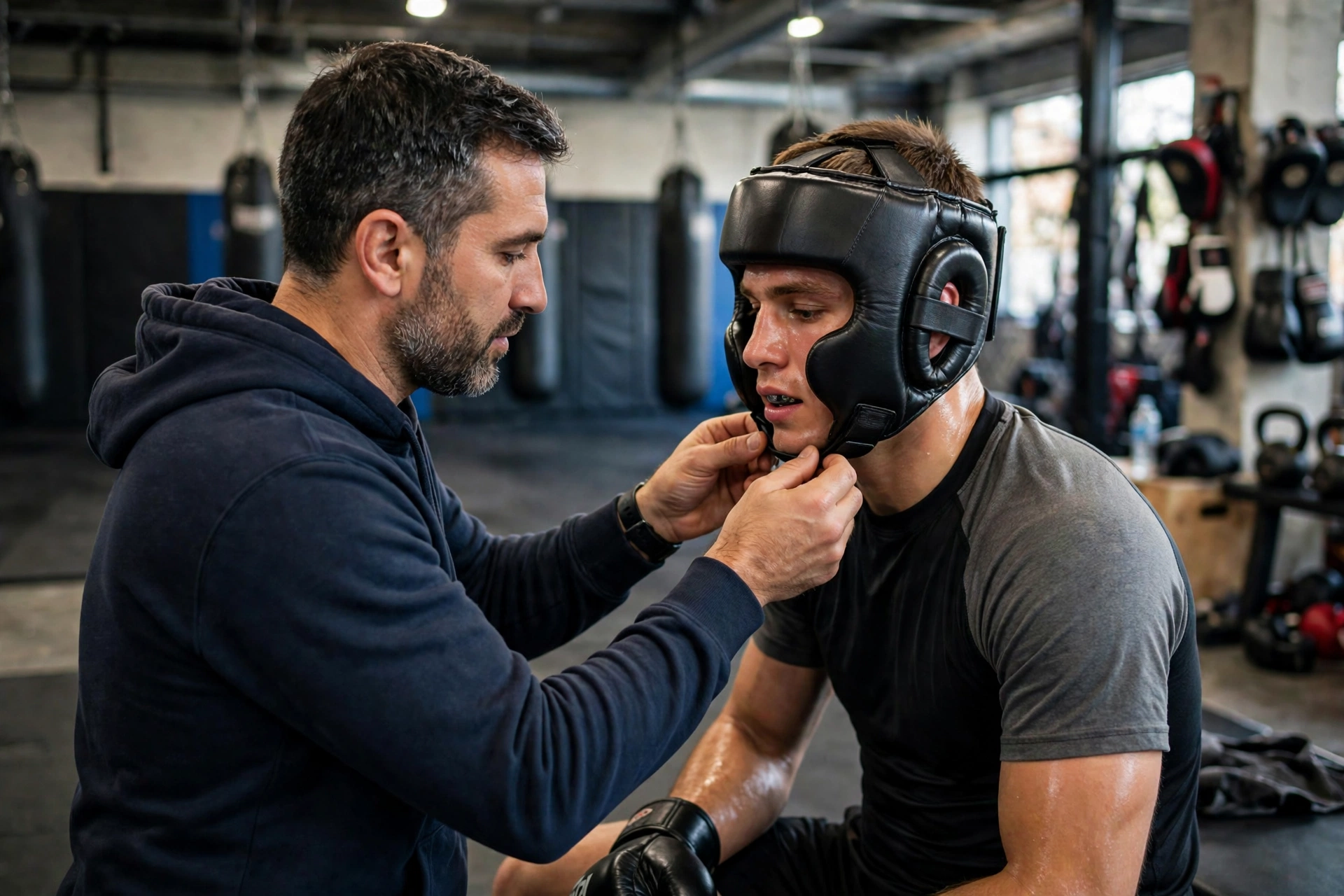
The chin strap is what keeps the headgear on your head, and it needs to be snug. Fasten it under your chin so that you can fit one finger between the strap and your skin, but not two. If the strap is loose, the headgear can shift or come off in a clinch or on a takedown.
Check the strap with your mouthguard in, because that is how you will wear it in sparring. Open your mouth wide, as if shouting or breathing hard, and make sure the strap does not cut in or pull the headgear forward. Then close your mouth and check that the strap still feels secure. A strap that only works with your mouth closed is a strap that will fail mid-round.
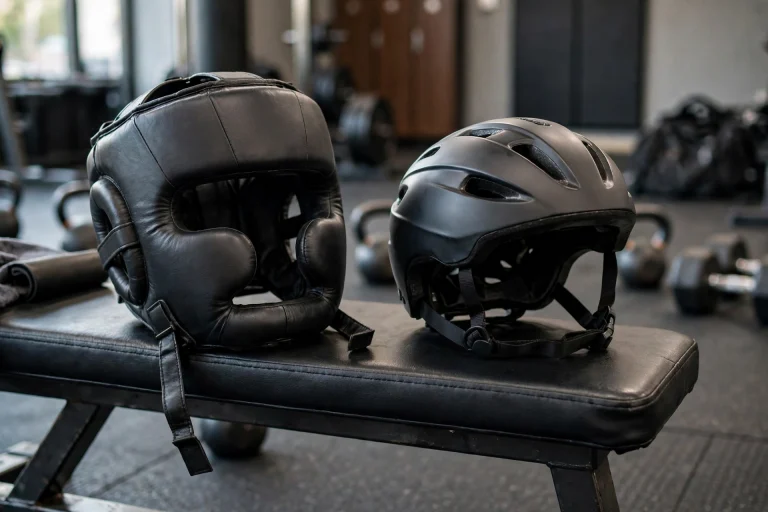
The rear adjustment matters as well. Most sparring headgear has laces, Velcro, or a strap at the back that lets you tighten the fit. Adjust it so the headgear feels evenly snug, then do the shake test: shake your head side to side and up and down, fairly firmly. The headgear should move with your head as one piece. If it lags behind or slides, tighten the rear adjustment or try a smaller size. If you are comparing headgear features and the protection language on product pages confuses you, reading about what MIPS is for helmets can help you understand how impact protection is described, even though MIPS is a feature of hard-shell helmets rather than soft sparring headgear.
What About Fit With a Mouthguard?
Always fit headgear with your mouthguard in place. A mouthguard changes the shape of your lower face: your jaw sits slightly open, your lips are pushed out, and the muscles of your cheeks sit differently. Headgear fitted without a mouthguard can feel fine in the shop and then press uncomfortably once the mouthguard is in.
Pay attention to the cheek pads in particular. They should rest against your cheekbones without pressing your cheeks into your teeth, and they should not push your mouthguard out of place. Open and close your mouth a few times with both on: the mouthguard should stay seated, and the headgear should not shift. If the cheek pads force your mouth closed, they are too tight or too thick for your face shape.
If you wear a custom mouthguard, bring it with you when you try headgear on, or fit the headgear at home with it in. Boil-and-bite mouthguards are thicker in some areas than custom ones, so the fit can differ between the two.
How Often Should You Re-Check the Fit?
Fit is not a one-time job. Foam padding compresses over weeks and months of use, and a headguard that fitted perfectly when new can become loose as the padding wears down. If you train regularly, check the fit every few weeks by repeating the shake test and looking for gaps that were not there before.
Your own body changes too. Weight loss or gain, a haircut, or even a change in mouthguard can alter how headgear sits. After any of these, take a minute to re-check the fit before sparring. It is a small habit that costs nothing and can make a real difference.
Frequently Asked Questions
Q: How do I know if my MMA headgear is too big?
A: If it rocks side to side when you shake your head, slides forward over your eyes, or leaves gaps between the padding and your skin, it is too big. Try a smaller size or a different shape, and re-check with your mouthguard in.
Q: Should MMA sparring headgear feel tight at first?
A: It should feel snug, not painful. Padding settles slightly as it warms up, so a little initial tightness is normal, but a throbbing pressure point after a minute or two means the fit is wrong and will only get worse in a round.
Q: Can I wear MMA headgear over a headscarf or with long hair?
A: In general terms, yes, but you should fit it the way you will wear it. Tie long hair back flat so it does not create bulk under the padding, and try the headgear on over any head covering you train in, since both change the fit.

Olivia
Writer at Helmet Today, covering helmet reviews, fit and riding safety.