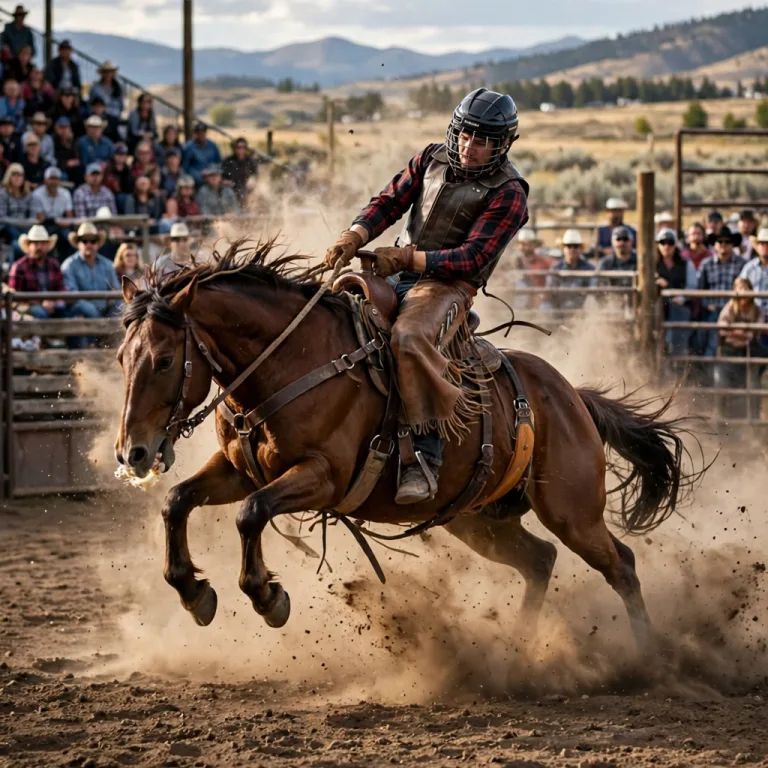
A helmet for dressage riders is a lightweight riding helmet designed for dressage, the discipline in which horse and rider perform a set series of precise movements in an arena. In general terms, it is a low-profile helmet that protects the rider’s head in a fall while keeping the neat, traditional look that dressage expects. It fits closely, sits level on the head, and stays in place through the collected gaits and turns of a dressage test.
Dressage is a quiet discipline, and the rider’s helmet should match that character. Unlike the tall, formal hats of the past, the modern dressage helmet looks like a smooth, rounded riding helmet, usually in black or dark navy, with a small brim at the front. It is worn for training and for competition, and in general terms it is now the normal headwear for dressage riders at every level, from a first lesson to a championship test.
What kind of helmet do dressage riders wear?
Dressage riders wear a standard riding helmet that meets the safety standard used in their country or competition. The helmet has a hard outer shell, a shock-absorbing liner, and a harness with a chin strap that keeps it in place. It is made to protect the head in a fall from a horse, which is the main risk in riding, and it is tested for the kind of impact a fall can cause.
The dressage version of the helmet is usually low in profile, with a smooth finish and little decoration. Some have a subtle sparkle or a small detail on the shell, but the overall look stays plain and classic. Ventilation matters too, because dressage tests and training sessions can be long, and a helmet with good airflow is more comfortable on a warm day. In general terms, the best helmet for dressage is one that is safe, comfortable, and neat enough for the arena.
Why do dressage riders wear helmets?
Dressage riders wear helmets because a fall from a horse can injure the head, even at the slow speeds of dressage. A horse can spook, trip, or lose its footing, and a rider can come off without warning. The helmet spreads the force of an impact and helps protect the skull and brain, and in general terms it is the single most useful piece of safety equipment a rider owns.
Helmets are also part of the rules in many dressage competitions, where riders are expected to wear one for every class. Even where the rules allow a choice, most riders wear a helmet for training as well as for competing, because most falls happen at home, not at a show. The helmet has become part of the dressage rider’s everyday kit, in the same way as boots and gloves, and it is no longer seen as something worn only by beginners.
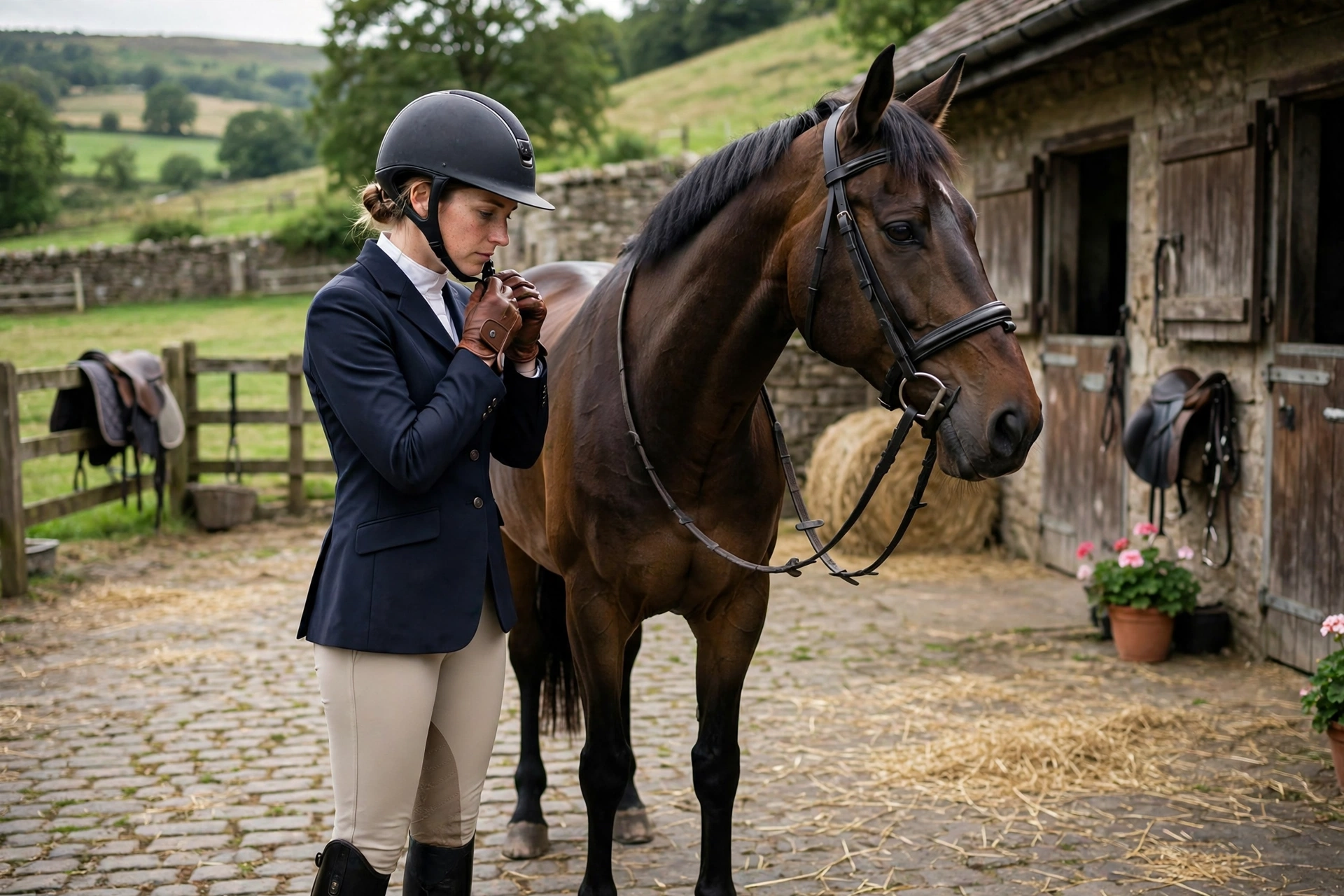
How should a helmet for dressage riders fit?
A helmet for dressage riders should fit snugly all the way around the head, with no pressure points and no rocking from side to side. It should sit level, about a finger’s width above the eyebrows, and the chin strap should be snug enough that the helmet does not shift when you shake your head. In general terms, a helmet that moves around on the head is not fitting properly, and a helmet that squeezes is the wrong size or the wrong shape.
Head shape matters as much as head size. Some helmets suit a round head, while others suit a longer, oval head, so it is worth trying on more than one brand before you decide. A good fit check is to wear the helmet for a few minutes in the shop: it should feel even and comfortable, with no sore spot building up. The harness should sit flat under the chin, and the buckle should be easy to fasten with gloves on.
What should you look for when choosing one?
When choosing a helmet for dressage, start with the safety standard it meets, then check the fit, the weight, and the ventilation. A lighter helmet is easier to wear for a long session, and good airflow keeps you cooler in the arena. The lining should be removable or washable, because a helmet worn often will need cleaning, and the harness should adjust easily so the fit stays right as the lining settles.
- Check the safety standard printed on the label inside the helmet.
- Try the fit with your hair worn as you wear it to ride.
- Look for ventilation that suits the climate where you ride.
- Make sure the lining can be removed and washed.
- Choose a colour and finish that suits your show outfit.
Some modern helmets also include a system designed to reduce rotational forces in a fall, such as MIPS, which is worth knowing about when you compare models. Beyond that, the choice is mostly personal: the colour and finish should suit your taste and your show outfit, and the price should match your budget. In general terms, the safest helmet is the one that fits you well and that you will wear every time you ride.
When should you replace a dressage helmet?
You should replace a dressage helmet after any serious impact, such as a fall in which your head hits the ground, even if the helmet looks fine on the outside. The liner inside can be damaged by an impact in ways you cannot see, and a helmet that has already absorbed one hard knock may not protect you as well in the next one. In general terms, a helmet that has been in a fall should be retired.
Age and wear matter too. A helmet that has been used for several years may have a lining that has thinned or a harness that has stretched, and the materials can wear out with sun, sweat, and knocks. Check the maker’s guidance on how long the helmet is meant to last, and replace it if the fit has loosened, the shell is cracked, or the strap no longer holds. A helmet in good condition is worth keeping, but a worn one is not worth the risk, and a new helmet is a small cost beside the protection it gives.
Do dressage riders have to wear a helmet?
In general terms, most dressage competitions expect riders to wear a helmet, and many riders also wear one for training. The exact rules depend on the competition and the organisation running it, so it is worth checking before you enter.
Can you wear any riding helmet for dressage?
Yes, any riding helmet that meets the right safety standard and fits well can be used for dressage. The dressage look is simply a low-profile helmet in a dark, plain colour, so a neat helmet you already own may be fine.
How do I know if my dressage helmet fits?
It should sit level, feel snug all round without sore spots, and stay in place when you shake your head. If it rocks, slides, or squeezes, try another size or another shape until the fit feels even.

Olivia
Writer at Helmet Today, covering helmet reviews, fit and riding safety.