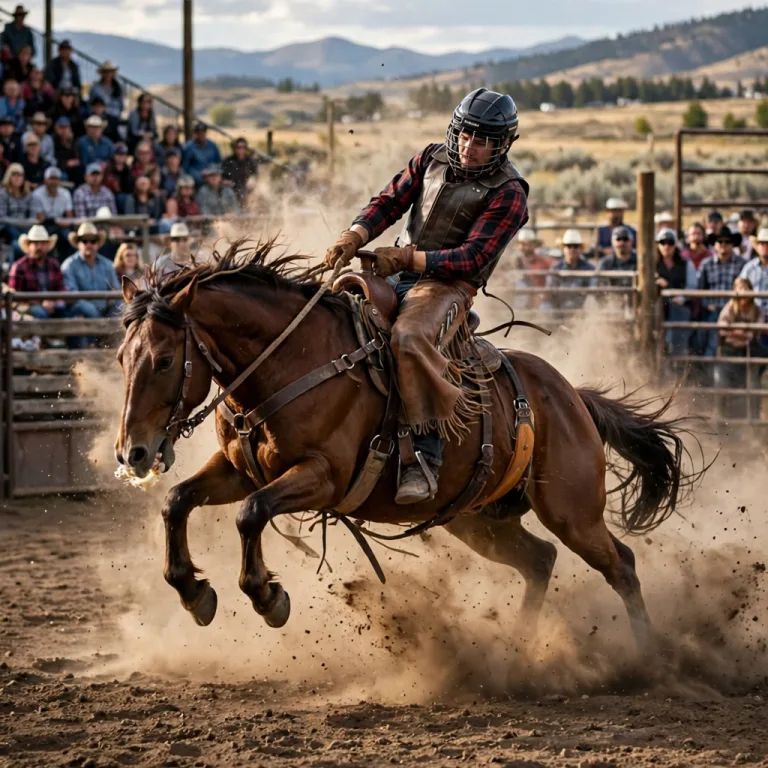
A helmet for fox hunting is a riding helmet worn by a rider taking part in a hunt, and its job is to protect the rider’s head if they fall from the horse or are struck by a branch while riding across open country. In general terms, it is the same kind of helmet worn for other kinds of riding, chosen for a secure fit, a comfortable lining, and a chin strap that stays fastened while the horse is moving. A helmet for fox hunting is not a costume piece, and it should be treated as working safety equipment from the moment the rider mounts up until the ride is over.
Fox hunting takes a rider across fields, tracks, woodland, and open ground, often at a brisk pace and sometimes over fences and ditches. That kind of riding brings a real chance of a fall, and a fall from a moving horse can be a hard one, even for an experienced rider. A well-fitting helmet spreads the force of an impact and helps to protect the head, and that is why most riders on a hunt wear one, even when the day looks quiet and the pace looks gentle.
What kind of helmet is used for fox hunting?
The helmet used for fox hunting is, in general terms, a riding helmet made for horse riding, with a hard outer shell, a shock-absorbing lining, and a chin strap that holds it in place. It is often a traditional-looking helmet in a dark colour, but the fit and the condition of the helmet matter more than the finish.
A good hunting helmet should sit level on the head, neither tipped forward over the eyes nor pushed back towards the neck, and it should feel snug without pressing painfully in one spot. When the rider shakes their head gently, the helmet should stay in place, and when the chin strap is fastened, it should feel secure without pulling at the jaw. A helmet that wobbles, slips, or needs constant adjusting is not doing its job properly, and it can also distract the rider at a moment when they need to focus on the horse and the ground ahead.
Why do fox hunting riders wear a helmet?
Fox hunting riders wear a helmet because riding across country carries a risk of falling, and the ground is rarely soft or forgiving. A horse can stumble, shy at a sudden noise, refuse a fence, or slip on wet ground, and any of those things can unseat a rider with very little warning. In general terms, a helmet cannot remove that risk, but it can reduce the harm from a blow to the head, and that is reason enough to wear one on every ride, not only on days when the going looks rough.
There is also the matter of low branches, twigs, and overhanging cover in woodland, which can strike a rider’s head as the horse passes underneath. A helmet gives a layer of protection against those knocks too, and it helps the rider to keep their seat and their nerve when the route passes through trees.

How should a helmet for fox hunting fit?
A helmet for fox hunting should fit in the same way as any riding helmet, with the size matched to the shape and size of the rider’s head. The best way to find the right size is to try the helmet on and to check how it feels when it is worn for a few minutes, not just for a few seconds in front of a mirror. The helmet should sit low enough to cover the forehead, and the brim or peak should sit just above the eyebrows, so that the rider can see clearly without the helmet blocking their view.
The chin strap should be fastened snugly, with enough room for comfort but not so much slack that the helmet can tip or slide. A loose strap lets the helmet move in a fall, which reduces the protection it can give, while a strap that is far too tight will be uncomfortable and may tempt the rider to loosen it or to leave it undone. Riders who wear their hair in a particular style for hunting should try the helmet on with their hair worn in that same way, so that the fit on the day is the same as the fit in the fitting room.
What should a rider check before a hunt?
Before a hunt, a rider should check the helmet for cracks, dents, soft spots, or damage to the shell, and should look at the lining and the chin strap to make sure they are clean, sound, and working as they should. A helmet that has been dropped hard onto a hard surface, or that has already been involved in a fall, should be checked with extra care, and in general terms a helmet that has taken a hard impact should be replaced rather than trusted again. The damage is not always easy to see from the outside, so a rider should be honest about what the helmet has been through.
The rider should also check that the helmet is clean and dry, that the lining has no loose parts, and that the strap buckle fastens and releases smoothly. A quick check at home is better than a rushed check at the meet, where there may be little time to put a problem right.
How should a hunting helmet be looked after?
A hunting helmet should be looked after in the same careful way as any riding helmet, with regular cleaning and sensible storage. After a wet or muddy day, the rider should wipe the outside clean, let the helmet dry naturally away from direct heat, and allow the lining to air before the helmet is put away. Strong heat, such as a radiator or a hot car, can harm the materials in a helmet over time, so a cool, dry place is a better choice for storage.
The helmet should be kept in a place where it will not be knocked about, sat on, or used as a shelf for other kit, because a hard knock can damage it even when no crack is visible. Riders should also think about replacing a helmet that has been worn for a long time, that no longer fits well, or that has been through a fall, because a helmet is a piece of safety equipment with a working life, and some modern helmets also include a system designed to reduce rotational forces in a fall, such as MIPS, which is worth knowing about when choosing a replacement.
Do all fox hunting riders wear a helmet?
In general terms, most riders on a hunt wear a helmet today, although dress and custom can vary from one hunt to another. A rider who is unsure should ask the hunt or the organiser before the day.
Can a normal riding helmet be used for fox hunting?
Yes, in general terms a standard riding helmet that fits well and is in good condition is suitable for fox hunting. The key points are fit, condition, and a secure chin strap.
When should a hunting helmet be replaced?
A hunting helmet should be replaced after a hard impact or a fall, or when it no longer fits well, shows damage, or has been worn for a long time. When in doubt, replace it rather than keep riding in it.

Olivia
Writer at Helmet Today, covering helmet reviews, fit and riding safety.